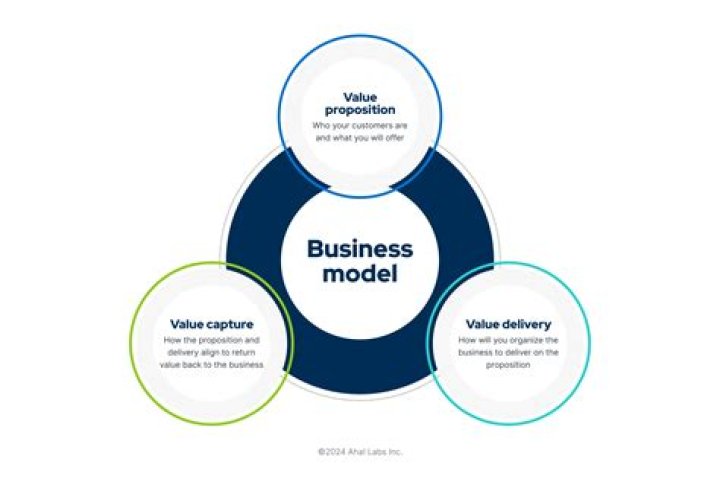
What is a Business Model and Why Do I Need One?

Andrew Adams
Published Jan 14, 2026
A business model is a crucial element for any company looking to succeed in the competitive marketplace. It serves as a roadmap for generating revenue and creating value for customers. By understanding what a business model is and its importance, you can effectively plan and strategize for the long-term success of your business.
So, what exactly is a business model? In simple terms, it is a company’s plan for making a profit. It encompasses the products or services a business intends to sell, the target market it aims to serve, and the anticipated expenses and revenue sources.
Having a well-defined business model is essential for both new startups and established businesses. It helps attract investors by showcasing the potential profitability and growth of your venture. Additionally, it enables you to recruit talent by providing a clear vision and direction for your company.
Moreover, a business model serves as a guide for decision-making and provides a framework for evaluating the effectiveness of your strategies. It allows you to align your resources and activities with your overall goals, ensuring that every aspect of your business works together harmoniously.
In summary, a business model is the foundation upon which successful businesses are built. By understanding its definition and significance, you can create a solid plan for your company’s growth and profitability.
Key Takeaways:
- A business model is a company’s plan for making a profit and includes products or services, target market, and anticipated expenses.
- Having a well-defined business model attracts investment, recruits talent, and provides a roadmap for success.
- Business models should be regularly reviewed and adapted to align with changing market conditions and ensure long-term viability.
- Successful businesses use their models to innovate, differentiate themselves, and align employees around the company’s mission.
- A business model is distinct from a business plan, which focuses on implementing the model and includes operational details and financial projections.
Understanding the Basics of a Business Model
A business model is a high-level plan for operating a business in a specific marketplace. It encompasses several key elements that shape the direction and success of the business.
Value Proposition
The value proposition is at the core of every business model. It defines the unique set of goods or services that a company offers and how they provide value to customers. A strong value proposition differentiates a business from its competitors and creates a compelling reason for customers to choose its products or services.
Target Market
Identifying the target market is essential for effectively positioning a business. Understanding the demographics, needs, and preferences of the target audience enables businesses to tailor their products, marketing messages, and customer experiences to meet specific customer demands. By focusing on the right target market, companies can optimize their resources and maximize their revenue potential.
Revenue Generation
Revenue generation is a fundamental aspect of any business model. It involves determining how a company will generate income through its products or services. This may include pricing strategies, subscription models, licensing fees, or advertising revenue. Successful business models carefully consider the revenue generation strategy to ensure profitability and long-term sustainability.
“A strong value proposition differentiates a business from its competitors and creates a compelling reason for customers to choose its products or services.”
Additionally, a business model encompasses other factors such as the startup costs, sources of financing, target customer base, marketing strategy, competition analysis, and revenue projections. Successful businesses understand the importance of continuously reviewing and refining their models to adapt to changing environments and market demands.
With a solid understanding of the basics of a business model, companies can develop a strategic roadmap for success, with a clear value proposition, a well-defined target market, and an effective revenue generation strategy.
| Key Elements | Description |
|---|---|
| Value Proposition | Defines the unique goods or services and the value they provide to customers |
| Target Market | Identifies the specific customer group that the business aims to serve |
| Revenue Generation | Determines how the company will generate income through its products or services |
Understanding the basics of a business model sets the foundation for creating a successful and sustainable business. The value proposition, target market, and revenue generation strategy are critical elements that drive growth, attract customers, and ensure profitability.
Evaluating a Business Model
When evaluating a business model, investors play a critical role in determining the potential success of a company. They carefully assess various factors to ensure their investment aligns with their financial goals and objectives. Three key components that investors consider during their evaluation are investor evaluation, gross profit, and pricing and costs.
Investor Evaluation
Investor evaluation involves assessing whether the product or service offered by the company meets a market need. Investors analyze the unique value proposition of the business model and its ability to solve a problem or fulfill a demand. They consider market trends, customer preferences, and competition to determine the market potential and the company’s competitive advantage. By evaluating the viability and scalability of the business model, investors can make informed decisions about the level of risk and potential return on investment.
Gross Profit
Gross profit is a crucial financial metric that provides insights into the profitability and effectiveness of a business model. It is calculated by subtracting the cost of goods sold from the company’s total revenue. A high gross profit margin indicates that the company generates sufficient revenue to cover its costs and have room for growth. Investors assess the gross profit margin as an indicator of the company’s ability to generate sustainable profits, manage production costs, and maintain a competitive position in the market.
Pricing and Costs
Pricing and costs are key considerations in evaluating a business model. Investors analyze the pricing strategy to ensure that the company’s products or services are appropriately priced in relation to the market demand and competition. They assess whether the pricing strategy allows for sufficient gross profit and profitability. Additionally, investors evaluate the cost structure of the business model to understand the expenses incurred in delivering the product or service. By assessing pricing and costs, investors gain insights into the company’s ability to achieve profitability and remain competitive in the market.
Investors rely on valuable insights gained from evaluating these factors to make informed decisions about investing in a business model. By carefully assessing investor evaluation, gross profit, pricing, and costs, investors can determine the potential profitability and sustainability of a company’s business model.
| Evaluation Factors | Description |
|---|---|
| Investor Evaluation | Assessing the market need for the product or service and evaluating the business model’s viability and scalability. |
| Gross Profit | Calculating the company’s total revenue minus the cost of goods sold to determine profitability and growth potential. |
| Pricing and Costs | Evaluating the pricing strategy and cost structure to ensure profitability and competitiveness. |
Types of Business Models
When it comes to business models, there are several different approaches that companies can take to generate revenue and serve their customers. Let’s explore the various types of business models:
Retailer
A retailer is a company that purchases finished goods from manufacturers and sells them directly to customers. This model is commonly seen in brick-and-mortar stores, as well as online marketplaces. Whether it’s a clothing retailer, an electronics store, or a grocery chain, retailers play a crucial role in connecting manufacturers with end consumers.
Manufacturer
A manufacturer, on the other hand, focuses on producing goods using internal labor and equipment. This business model involves the creation and distribution of products, which are then sold to retailers or directly to customers. Manufacturers can range from large-scale factories to small-scale artisanal workshops, depending on the complexity and volume of their production.
Fee-for-Service
The fee-for-service model revolves around providing labor or specialized services in exchange for a fee. This can be seen in a variety of industries, such as consulting, legal services, healthcare, and more. Service providers offer their expertise and assistance to clients, who pay for the specific services rendered. This model is often used when the value of the service is difficult to quantify upfront.
Subscription-Based
In the subscription-based business model, customers pay a recurring fee in exchange for ongoing access to a product or service. This model is commonly seen in software companies, media streaming platforms, and membership-based organizations. By offering a subscription model, companies can secure a consistent stream of revenue and build long-term relationships with their customers.
Freemium
The freemium model combines free and premium offerings to attract and retain customers. Companies offer a basic version of their product or service for free, allowing customers to experience the value it provides. They then have the option to upgrade to a premium version, which offers additional features or exclusive benefits for a fee. This model is often used in software, mobile apps, and online platforms.
These are just a few examples of the different business models that companies can adopt. Each model has its own advantages and challenges, and the right choice depends on factors such as the industry, target market, and value proposition. By understanding these different models, entrepreneurs and businesses can make informed decisions and develop strategies that align with their goals and objectives.
Other Types of Business Models
In addition to the previously mentioned types of business models, there are several other models that have gained popularity in various industries. These models offer unique approaches to generating revenue and capturing market share. Let’s explore some of these alternative business models:
Bundling
Bundling involves the sale of multiple products or services together as a package deal. This strategy allows customers to enjoy a comprehensive offering while often providing cost savings compared to purchasing each item individually. Bundling can enhance customer satisfaction, increase sales volume, and strengthen brand loyalty.
Marketplace
A marketplace business model acts as an intermediary, connecting buyers and sellers in a single platform. This model facilitates transactions, fosters competition, and offers a wide variety of products and services. Popular examples include e-commerce platforms, online marketplaces for freelance services, and vacation rental aggregators.
Affiliate
The affiliate model allows individuals or companies to earn a commission by promoting and selling products on behalf of another business. Affiliates leverage their online presence, such as websites, blogs, or social media accounts, to drive traffic and generate sales. This model benefits both the affiliate and the business, as it expands the reach and customer base.
Razor Blade
In the razor blade model, a company sells a durable product at a low cost (or even at a loss) in order to create demand for high-margin, disposable components or consumables. This approach is commonly seen in industries like personal grooming, where companies offer razors at a low price and profit from selling replacement blades over time.
Reverse Razor Blade
The reverse razor blade model takes the opposite approach of the traditional razor blade model. In this model, a high-margin product is sold with low-cost companion products. This strategy aims to attract customers to the main product and generate additional revenue through the sale of complementary items. For example, a printer manufacturer might offer printers at a low cost and make profit from selling ink cartridges.
Franchise
A franchise business model involves replicating a successful business in different locations through a licensing agreement. Franchisees leverage the established brand, operating procedures, and support provided by the franchisor. This model allows for rapid business expansion while sharing risks and rewards between the franchisor and franchisee.
Pay-as-You-Go
The pay-as-you-go model charges customers based on their actual product usage or consumption. This model is commonly used in utility services, software subscriptions, and cloud computing. Pay-as-you-go pricing provides flexibility for customers and ensures they only pay for what they use, while enabling businesses to align revenue with their customers’ needs.
These alternative business models offer innovative ways to capture market share, increase revenue, and meet the evolving needs of customers. Each model has its own unique advantages and considerations, and businesses can explore these options to find the best fit for their industry and target market.
Benefits of Building a Business Model
Building a business model is a crucial step for companies looking to thrive in today’s competitive landscape. It offers numerous benefits that contribute to their overall success and sustainability.
1. Innovation
A well-defined business model encourages companies to think outside the box and fosters a culture of innovation. By examining their target market and customer needs, businesses can develop unique solutions and introduce new products or services that stand out from the competition. This innovation-driven approach allows companies to capture market share and stay ahead in rapidly evolving industries.
2. Differentiation
A business model provides companies with a clear understanding of what makes them unique and different from their competitors. It helps identify their differentiation points, whether it’s through product features, pricing strategies, or exceptional customer service. By leveraging these unique selling propositions, companies can effectively communicate their value proposition to customers and gain a competitive edge in the market.
3. Strategy
A solid business model serves as a strategic roadmap for companies, guiding decision-making at every level of the organization. It outlines the company’s vision, objectives, and growth plans, ensuring that all efforts align with the overall strategic direction. This strategic focus enables businesses to allocate resources effectively, make informed decisions, and optimize their operations for long-term success.
4. Sound Model
“A sound business model is the foundation for sustainable growth and profitability.”
By building a sound business model, companies create a solid framework for revenue generation, cost management, and value creation. It allows them to assess potential risks and opportunities, anticipate market changes, and adapt to evolving customer demands. By regularly reviewing and refining the business model, companies can ensure its relevancy and effectiveness in the dynamic business environment.
Business Model vs. Business Plan
When developing a comprehensive strategy for your company, it is important to understand the distinction between a business model and a business plan. While these two elements are interconnected, they serve different purposes in guiding your organization towards success.
Business Model:
A business model outlines how your company will generate revenue and create value. It is a high-level plan that defines the core components of your business, including your target market, key offerings, and revenue sources. A solid business model provides a clear understanding of how your company will operate and thrive in the market.
On the other hand, a business plan delves into the implementation of the business model. It includes operational details, milestones, and financial projections that are crucial for turning your business model into a reality.
Business Plan:
A business plan translates the business model into actionable steps. It outlines the specific tactics, resources, and strategies required to execute the business model effectively. A well-crafted business plan provides a roadmap for managing day-to-day operations, achieving milestones, and meeting financial goals.
While a business model remains relatively stable, a business plan is more flexible and subject to updates in response to external factors such as changes in the economy or market conditions.
Long-Term Shifts:
Long-term shifts in the business landscape can impact both the business model and the business plan. Companies must continually evaluate their strategies and adapt to changing market dynamics to ensure long-term success. By monitoring industry trends and customer preferences, businesses can make strategic adjustments to their business models and corresponding plans.
Image:
Components of a Business Model
A successful business model comprises various components that work together to define the company’s strategy, value proposition, and growth plans. Let’s explore each of these crucial elements:
Vision and Mission Statements
The vision and mission statements outline the long-term goals and purpose of the company. The vision statement inspires and guides the organization towards its desired future, while the mission statement defines its fundamental purpose and reason for existence.
Objectives
Objectives are specific, measurable targets that the company aims to achieve. They provide focus and direction, helping align efforts and prioritize actions to drive success.
Customer Targets
Identifying and understanding the target customers is crucial to tailor the company’s offerings and marketing strategies effectively. By defining customer segments based on demographics, behaviors, and needs, businesses can better meet their target audience’s expectations.
The Proposed Solution
The proposed solution refers to the product or service that the company offers to solve a specific problem or meet customer needs. It is essential to clearly communicate the unique features and benefits of the solution to differentiate it from competitors.
Unique Differentiators
Identifying unique differentiators sets the company apart from competitors. These can be factors such as superior quality, innovative technology, exceptional customer service, or other distinctive attributes that provide a competitive advantage.
Pricing Strategy
The pricing strategy determines how the company will price its products or services to generate revenue. Factors to consider include production costs, market demand, competitor pricing, and perceived value by customers.
Positioning and Messaging
Positioning and messaging involve crafting the brand’s image and communicating its value proposition to the target market. This includes establishing the brand’s personality, defining key messages, and choosing marketing channels to reach and engage customers effectively.
Go-to-Market Approach
The go-to-market approach outlines how the company will bring its products or services to market. This includes distribution channels, sales and marketing strategies, and customer acquisition tactics.
Required Investment
Understanding the required investment is crucial for financial planning and resource allocation. It includes the costs associated with product development, marketing, operations, hiring, and infrastructure.
Growth Opportunities
Growth opportunities refer to potential avenues for expanding the business. These can include entering new markets, introducing new products or services, developing strategic partnerships, or expanding the customer base.
By considering and integrating these components into their business model, companies can create a solid foundation for achieving their vision, satisfying customer needs, and driving sustainable growth.
Analyzing Competitor Business Models
Analyzing competitor business models is a crucial step in developing a successful strategy. By understanding the competitive landscape, companies can identify opportunities to differentiate themselves and gain a competitive edge. This involves evaluating various aspects of their competitor’s business models, including their value proposition, pricing strategy, target market, and other key components that drive their success.
One of the key areas to focus on during competitor analysis is the value proposition. This is the unique value that a company offers to its customers, setting it apart from competitors. By examining the competitor’s value proposition, businesses can identify any gaps in the market that they can fill with their own distinct offering.
Pricing strategy is another critical aspect to consider when analyzing competitor business models. Understanding how competitors price their products or services can help companies determine their own pricing strategy. It allows them to position themselves competitively in the market while ensuring that their pricing aligns with their value proposition and target market.
The target market is an essential factor in competitor analysis. By identifying the target market of competitors, companies can explore potential opportunities to attract a different segment of customers or serve an underserved niche. This knowledge enables businesses to develop effective marketing and messaging strategies to target their desired audience and stand out from the competition.
Other components of competitor business models, such as distribution channels, partnerships, and customer retention strategies, should also be closely examined. These insights can provide valuable information on tactics and approaches that can be adapted or improved upon to gain a competitive advantage.
“Analyzing competitor business models provides valuable insights into the competitive landscape, allowing companies to identify opportunities for differentiation and gain a competitive edge.”
Competitor Business Model Analysis Example
| Competitor | Value Proposition | Pricing Strategy | Target Market |
|---|---|---|---|
| Company A | High-quality products with superior customer service | Premium pricing to reflect the quality of their offerings | Luxury market segment |
| Company B | Convenient and affordable services that save time | Competitive pricing to appeal to price-conscious customers | Busy professionals and families |
| Company C | Customizable solutions tailored to each customer’s needs | Value-based pricing, offering different pricing tiers based on features | Small and medium-sized businesses |
By analyzing the table above, Company D can identify gaps in the market and develop a unique value proposition, pricing strategy, and target market that differentiate it from competitors. This analysis helps Company D create a compelling offering and position themselves effectively to attract customers.
Tools and Templates for Building a Business Model
When it comes to building a business model, there are several tools and templates available to assist you in the process. These resources are designed to simplify the task and ensure that your business model captures all the important components. Two popular options are the Business Model Canvas and Aha! Notebooks.
Business Model Canvas
The Business Model Canvas is a visual tool that helps entrepreneurs and business professionals create a comprehensive and well-structured business model. It provides a framework to organize the key building blocks of a model, including customer segments, value proposition, channels, customer relationships, revenue streams, key activities, key resources, key partnerships, and cost structure.
Using the Business Model Canvas, you can easily visualize and communicate your business model to stakeholders. It allows you to quickly iterate and refine your ideas, ensuring that your model is aligned with your overall business strategy.
Insert Business Model Canvas image with the alt attribute: business model canvas
Aha! Notebooks
Aha! Notebooks is a collaborative software tool that provides a range of templates for building and refining your business model. It offers a centralized platform where you can explore and connect different concepts and components of your model.
With Aha! Notebooks, you can easily collaborate with your team, share ideas, and gather feedback on your business model. The templates available in Aha! Notebooks are customizable and can be tailored to meet the specific needs of your business. This software tool streamlines the process of creating your business model, ensuring that everyone on your team understands and supports your strategic approach.
Insert Aha! Notebooks image with the alt attribute: templates
Both the Business Model Canvas and Aha! Notebooks provide valuable resources for building a solid business model. Whether you prefer a visual approach or a collaborative software tool, these tools can help you create and share your business model effectively.
How to Create a Business Model
When creating a business model, it is important to have a clear plan and strategy in place. Start by defining the problem that your business aims to solve and identifying your target market. Understanding the needs and preferences of your audience will help shape your value proposition and ensure that your product or service is aligned with their expectations.
Next, it is crucial to determine your revenue generation strategy. This involves considering different tactics such as pricing, cost structure, and monetization models. By carefully analyzing your market and competition, you can develop a strategy that allows you to maximize profits and create sustainable growth.
In addition to the revenue side of things, outlining your operational practices, management structure, and milestones is essential for the successful implementation of your business model. Mapping out your financial projections will provide clarity on how your business will perform in the future and help you make informed decisions.
Remember, a business model should not exist in isolation. It should align with your overall business strategy and serve as a roadmap for success. Regularly reviewing and adapting your model based on changing market conditions and assumptions is key to ensuring long-term viability and staying ahead of the competition.
FAQ
What is a business model?
A business model refers to a company’s plan for making a profit. It includes the products or services the business plans to sell, the target market, and anticipated expenses.
Why do I need a business model?
Business models are crucial for both new and established businesses, as they attract investment, recruit talent, and provide a roadmap for success.
What are the basics of a business model?
The basics of a business model include the value proposition, target market, and revenue generation strategy.
How is a business model evaluated by investors?
Investors evaluate a business model based on whether the product or service meets a market need, the gross profit, and the pricing and costs associated with the business.
What are the types of business models?
Types of business models include retailers, manufacturers, fee-for-service providers, subscription-based models, and freemium models.
Are there other types of business models?
Yes, other types of business models include bundling, marketplaces, affiliate models, razor blade models, reverse razor blade models, franchise models, and pay-as-you-go models.
What are the benefits of building a business model?
Building a business model helps companies identify what makes them unique, why customers should choose their offering, and how they can grow the business. It also complements the overall strategy and serves as a guide for decision-making.
How does a business model differ from a business plan?
While a business model outlines how a company will generate revenue and create value, a business plan focuses on implementing the model and includes operational details and financial projections.
What are the components of a business model?
The components of a business model include vision and mission statements, objectives, customer targets, the proposed solution, unique differentiators, pricing strategy, positioning and messaging, go-to-market approach, required investment, and growth opportunities.
Why is it important to analyze competitor business models?
Analyzing competitor business models helps companies understand the competitive landscape, identify opportunities for differentiation, and develop strategies to attract customers and gain a competitive edge.
What tools and templates can be used for building a business model?
Tools and templates such as the Business Model Canvas and software like Aha! Notebooks can assist in building a business model by capturing key components and providing a collaborative space for exploration and connection to everyday work.
How do I create a business model?
Creating a business model involves defining the problem you are solving, identifying the target market, developing a value proposition, determining the revenue generation strategy, outlining operational practices, establishing a management structure, setting milestones, and projecting finances. It should align with the overall business strategy and be regularly reviewed and adapted to account for changing market conditions.