What are the Benefits of 501(c)(3) vs 501(c)(6)?

Sophia Carter
Published Jan 14, 2026
When it comes to nonprofit organizations, there are different classifications that determine their legal status, tax advantages, and organizational purposes. Two commonly known classifications are 501(c)(3) and 501(c)(6) organizations. Understanding the differences between these two types can help you make informed decisions for your nonprofit’s structure.
501(c)(3) organizations, such as charities, religious organizations, and educational institutions, provide valuable services to the community while enjoying tax-exempt status. These organizations must meet certain legal requirements and focus on serving the public interest. On the other hand, 501(c)(6) organizations, such as trade associations and chambers of commerce, aim to promote the common interests of their members and improve business conditions.
So, what are the specific benefits of each type of organization? Let’s explore the advantages of 501(c)(3) and 501(c)(6) organizations in more detail.
Key Takeaways:
- 501(c)(3) organizations enjoy tax advantages and serve the public interest through charitable, religious, educational, or scientific activities.
- 501(c)(6) organizations focus on promoting the interests of their members and improving business conditions.
- Both types have their unique benefits and purposes, and understanding their differences can help you choose the right structure for your nonprofit.
- 501(c)(3) organizations can receive tax-deductible donations, while donations to 501(c)(6) organizations are not tax deductible.
- Lobbying limitations and reporting requirements differ between 501(c)(3) and 501(c)(6) organizations.
Understanding 501(c)(3) Organizations
When it comes to nonprofit organizations, 501(c)(3) is a common designation that provides significant benefits. To understand the nature and purpose of these organizations, it’s important to delve into their structure and operations.
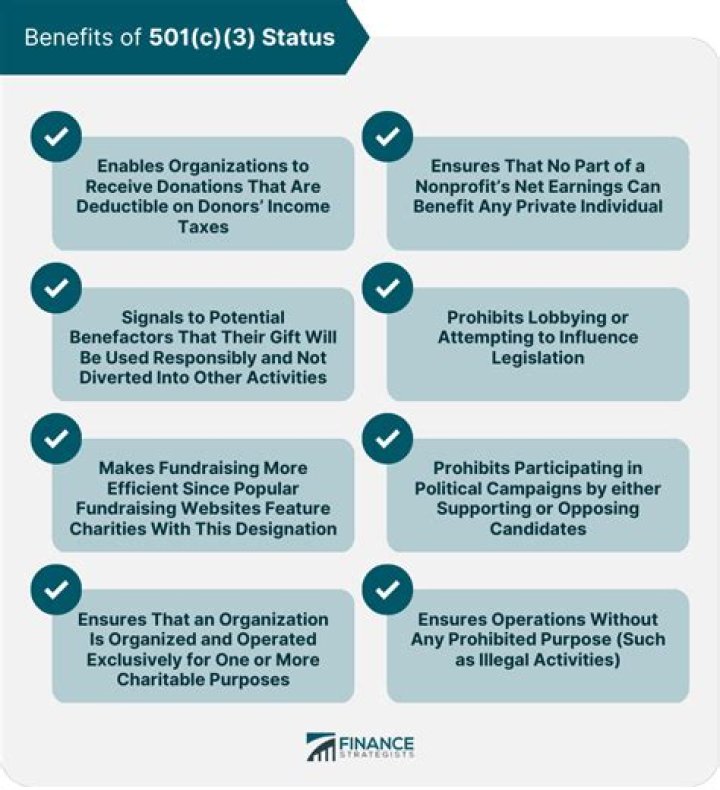
A 501(c)(3) organization is required to operate exclusively for exempt purposes. These purposes include serving the public in various sectors such as charitable, religious, educational, scientific, literary, public safety, amateur sports, and prevention of cruelty to children or animals.
501(c)(3) organizations play a vital role in addressing pressing societal issues and improving the well-being of communities. They contribute to causes like homelessness, education, healthcare, animal welfare, and more. Examples of prominent 501(c)(3) organizations include For the Love of Alex, which provides financial aid to families with pets in need of life-saving veterinary care, and the Catholic Charities of Santa Clara County, which offers support services to vulnerable individuals and families.
By attaining tax-exempt status, 501(c)(3) organizations can operate with certain advantages. Donations made to these organizations are tax deductible for the donors, providing an incentive for individuals and businesses to contribute to charitable causes. This tax benefit helps organizations raise funds and further their missions effectively.
To give you a better understanding of the impact and significance of 501(c)(3) organizations, the next section will explore 501(c)(6) organizations and their role in promoting business interests.
Understanding 501(c)(6) Organizations
A 501(c)(6) organization is an association of persons having common business interests. These organizations promote their common interest and work to improve business conditions.
Examples of 501(c)(6) organizations include business leagues, industry associations, and professional football leagues. These organizations play a vital role in promoting common business interests and fostering collaboration within specific industries. By advocating for favorable policies and regulations, they contribute to the overall growth and development of their respective business communities.
Business leagues, such as the U.S. Chamber of Commerce and the National Retail Federation, bring together businesses from various sectors to represent their collective interests. These organizations engage in activities such as networking events, lobbying efforts, and sharing best practices to enhance business conditions.
Industry associations, such as the American Bar Association and the National Association of Realtors, focus on providing support and resources to professionals within specific industries. They offer educational programs, professional development opportunities, and advocacy initiatives to strengthen their members’ businesses and the industry as a whole.
Professional sports leagues, such as the National Football League and Major League Baseball, operate as 501(c)(6) organizations. These leagues bring together teams and players, supporting and promoting the interests of professional sports and fostering fair competition.
Overall, 501(c)(6) organizations play a crucial role in promoting common business interests, improving business conditions, and fostering collaboration within industries. Their efforts contribute to the growth, development, and success of businesses and professionals across the country.
| 501(c)(6) Organizations | Examples |
|---|---|
| Business Leagues | U.S. Chamber of Commerce, National Retail Federation |
| Industry Associations | American Bar Association, National Association of Realtors |
| Professional Football Leagues | National Football League, Major League Baseball |
In-Depth Comparison: 501(c)(6) vs 501(c)(3)
When it comes to understanding the differences between 501(c)(6) and 501(c)(3) organizations, it’s important to delve into their tax-exempt status, organizational purposes, funding sources, reporting and compliance requirements, and mission focus.
501(c)(3) organizations are primarily focused on charitable activities, serving the public interest through their work. They qualify for tax-exempt status and can receive tax-deductible donations, which provide a significant advantage in fundraising. These organizations channel their resources towards various causes such as education, healthcare, social services, and environmental conservation. Notable examples of 501(c)(3) organizations include The Red Cross and Doctors Without Borders.
On the other hand, 501(c)(6) organizations are dedicated to promoting the common business interests of their members. These organizations may include business leagues, trade associations, and chambers of commerce. Unlike 501(c)(3) organizations, they do not qualify for tax-deductible donations. Instead, they rely on member contributions, dues, and fees to sustain their operations and advocate for the interests of their members. An example of a 501(c)(6) organization is the U.S. Chamber of Commerce, which works to improve business conditions across the country.
In terms of reporting and compliance, both types of organizations are required to meet certain obligations. However, the specific requirements differ. 501(c)(3) organizations must adhere to strict reporting regulations to maintain their tax-exempt status and are subject to transparency rules to ensure proper use of charitable funds. 501(c)(6) organizations, while also subject to compliance requirements, have less stringent reporting obligations. They are typically focused on representing their members’ interests and often engage in lobbying activities related to those interests.
The mission focus of 501(c)(3) and 501(c)(6) organizations aligns with their respective purposes. 501(c)(3) organizations work towards benefiting the public and addressing societal needs, while 501(c)(6) organizations aim to advance the interests of their business members.
To summarize, the table below provides a concise comparison of 501(c)(6) and 501(c)(3) organizations:
| Aspect | 501(c)(6) | 501(c)(3) |
|---|---|---|
| Organizational Purpose | Serve the business interests of members | Serve the public through charitable activities |
| Funding Sources | Member contributions and fees | Tax-deductible donations |
| Reporting and Compliance | Less stringent reporting requirements | Strict reporting and transparency rules |
| Mission Focus | Advancing members’ business interests | Serving the public and addressing societal needs |
Understanding the key differences between 501(c)(6) and 501(c)(3) organizations is essential for individuals and businesses looking to engage with or establish nonprofit entities. Whether it’s advocating for business interests or making a difference in the community, selecting the right organizational structure and tax-exempt status is crucial.
Tax Advantages and Donations
When it comes to tax advantages, 501(c)(3) organizations have a significant edge. Donations made to these organizations are tax deductible for the donors, providing an incentive for individuals and businesses to contribute to charitable causes. This not only benefits the donors by reducing their taxable income but also supports the valuable work carried out by nonprofit organizations.
For example, organizations like the American Red Cross and St. Jude Children’s Research Hospital rely on charitable donations to fund their important missions.
On the other hand, donations made to 501(c)(6) organizations do not qualify for tax deductions. While these organizations, such as trade associations and industry groups, play an essential role in promoting common business interests, contributions made to them are considered non-deductible expenses.
For instance, the National Association of Realtors and the American Bar Association are 501(c)(6) organizations that work towards advancing the interests of their respective professions.
However, it is important to note that both types of organizations can still receive grants and financial support from various sources, including government agencies and private foundations. These grants can be instrumental in furthering the organizations’ missions and supporting their operations.
Table: A Comparison of Tax Advantages for Donations
| 501(c)(3) Organizations | 501(c)(6) Organizations |
|---|---|
| Donations are tax deductible | Donations are not tax deductible |
| Supports charitable causes and public good | Advances common business interests |
| Provides an incentive for individuals and businesses to give | Non-deductible expenses for donors |
| Relies on charitable contributions for funding | Relies on member dues and other revenue sources |
These tax advantages and limitations play a significant role in shaping the fundraising strategies of nonprofit organizations. While 501(c)(3) organizations can leverage tax deductions to attract donors, 501(c)(6) organizations focus on other fundraising methods like membership fees and revenue generated from their activities.
Next, we will explore the regulations surrounding lobbying and political involvement for these types of organizations.
Lobbying and Political Involvement
When it comes to political engagement, both 501(c)(3) and 501(c)(6) organizations have their own set of limitations and regulations. Let’s take a closer look at what these limitations entail for each type of organization:
501(c)(3) Organizations:
While 501(c)(3) organizations are allowed to engage in some lobbying activities that are directly related to their mission, there are certain restrictions they must adhere to. These organizations cannot support political campaigns or endorse candidates for public office.
“501(c)(3) organizations have an important role in advocating for their causes, but their focus should be on educating the public and promoting awareness rather than directly supporting political candidates.”
It is crucial for 501(c)(3) organizations to maintain their nonpartisan status in order to protect their tax-exempt status and continue their advocacy work. This means avoiding any activities that could be interpreted as partisan or linked to specific political campaigns.
501(c)(6) Organizations:
501(c)(6) organizations, on the other hand, have more freedom when it comes to lobbying and political involvement. These organizations can engage in lobbying activities to promote their members’ common business interests. However, they are required to disclose the percentage of their dues that is used for lobbying purposes.
“501(c)(6) organizations play a crucial role in advocating for industries and business communities, but they must be transparent about their lobbying activities and the use of member dues.”
Furthermore, 501(c)(6) organizations can participate in electioneering, which involves endorsing political candidates within certain limits. However, it is important to note that 501(c)(6) organizations must still operate within the boundaries of the law and comply with all relevant lobbying regulations.
Having a clear understanding of these lobbying regulations and limitations is vital for both 501(c)(3) and 501(c)(6) organizations. While 501(c)(3) organizations focus on educating the public and advocating for their causes, 501(c)(6) organizations work to promote the common business interests of their members. By navigating these regulations effectively, organizations can ensure their political involvement aligns with their mission and legal obligations.
Membership and Fundraising
When it comes to membership and fundraising, both 501(c)(3) and 501(c)(6) organizations have their advantages. Let’s take a closer look at what each type offers:
501(c)(3) Organizations
501(c)(3) organizations, such as The American Red Cross and The Nature Conservancy, provide tax-deductible memberships to their supporters. This means that individuals who join these organizations not only contribute to a good cause but also enjoy the benefit of tax deductions on their membership fees. Additionally, 501(c)(3) organizations have a clear advantage in fundraising as donations made to them are tax deductible for the donors. This tax benefit serves as an extra incentive for individuals and businesses to contribute to these organizations.
501(c)(6) Organizations
501(c)(6) organizations, like the U.S. Chamber of Commerce and the National Association of Realtors, can accept membership fees; however, these fees are not tax deductible as charitable contributions. While 501(c)(6) organizations may not offer the same tax benefits as their 501(c)(3) counterparts, they still provide valuable networking and professional development opportunities for their members. These organizations operate with the goal of promoting and advancing the common business interests of their members.
Both types of organizations rely on member support to sustain their operations and fulfill their missions. Whether you choose a 501(c)(3) or 501(c)(6) organization, your membership contributes to the success and impact of the organization in its respective field.
Now, let’s explore another important aspect of nonprofit organizations: grants and funding.
Grants and Funding
When it comes to securing funding for your nonprofit organization, grants can be a valuable source of financial support. While 501(c)(3) organizations have greater access to grants, it’s important to note that 501(c)(6) organizations can also receive grants if the grant organization allows it. The availability of grants may vary depending on the organization’s purpose and mission.
Grant eligibility for nonprofits depends on various factors, such as the specific grant’s requirements and the alignment of your organization’s goals with the grant’s purpose. Many grants are designed to support purpose-driven initiatives, focusing on areas such as education, healthcare, environmental conservation, and social justice.
Grant organizations aim to fund nonprofits that demonstrate a clear need for financial support and have the capability to effectively utilize the grant funds to achieve their goals. To improve your organization’s chances of securing grants, it is important to thoroughly research grant opportunities, understand their eligibility criteria, and tailor your grant proposals to showcase how your organization aligns with their mission.
Benefits of Grants for Nonprofits
Grants can provide several advantages for nonprofit organizations, including:
- Financial Support: Grants offer a significant source of funding that can help sustain and expand your organization’s programs and initiatives.
- Credibility: Securing grants demonstrates to potential donors, supporters, and stakeholders that your organization has met rigorous criteria and is worthy of financial investment.
- Validation: Grant funding validates the importance and impact of your organization’s work, allowing you to attract additional support and partnerships.
- Long-Term Stability: Grants provide a stable funding source that can help your organization plan for the future and reduce dependence on other forms of fundraising.
- Networking Opportunities: Grant organizations often host events and conferences where nonprofits can connect with other like-minded organizations, potential collaborators, and donors.
Receiving grants requires a strategic approach, including thorough research, meticulous grant proposal writing, and effective communication of your organization’s mission and impact. By leveraging the power of grants, nonprofits can achieve their goals, make a positive difference in their communities, and create lasting change.
Reporting and Compliance Requirements
Both 501(c)(3) and 501(c)(6) organizations have reporting and compliance requirements to fulfill their legal obligations. These requirements are essential for maintaining their tax-exempt status and ensuring transparency in financial operations.
All nonprofit organizations must file tax returns with the Internal Revenue Service (IRS) on an annual basis. This includes submitting Form 990, which provides detailed information about the organization’s finances, activities, and governance. Failure to file the required tax returns can result in penalties and potential loss of tax-exempt status.
In addition to tax returns, nonprofits are also expected to maintain proper financial records. This includes accurate and up-to-date bookkeeping, documenting all income and expenses, and keeping track of financial transactions. These records serve as evidence of the organization’s financial activities and provide crucial information during audits or reviews.
It is important for nonprofits to comply with IRS regulations and guidelines to avoid any legal and financial implications. Nonprofit organizations must operate in accordance with their stated exempt purposes and use their resources exclusively for these purposes.
Failure to comply with reporting requirements and financial obligations can jeopardize a nonprofit organization’s standing with the IRS. It is crucial for nonprofits to stay informed about the ever-changing regulations and seek professional assistance when needed.
Working with a nonprofit attorney can provide valuable guidance and support in navigating the complex reporting and compliance landscape. These legal professionals specialize in nonprofit law and can ensure that organizations meet their obligations while staying in compliance with IRS regulations.
Financial Transparency and Public Trust
A strong emphasis on reporting requirements and compliance helps foster financial transparency in the nonprofit sector. Donors, supporters, and the general public have a vested interest in knowing how their contributions are utilized by charitable organizations.
Nonprofits that maintain robust financial records and adhere to reporting requirements build trust and credibility among their stakeholders. Financial transparency not only showcases responsible stewardship of resources but also helps attract donors and supporters who value accountability.
By embracing reporting and compliance obligations, nonprofit organizations can showcase their commitment to transparency and responsible use of funds, reinforcing their mission and building public confidence.
Similarities Between 501(c)(3) and 501(c)(6)
Although there are significant differences between 501(c)(3) and 501(c)(6) organizations, there are also notable similarities that can be identified. Understanding these commonalities is essential for grasping the foundational aspects of both types of organizations.
Tax-Exempt Status
One shared characteristic of 501(c)(3) and 501(c)(6) organizations is their tax-exempt status. Both types are exempt from federal income taxes, allowing them to allocate the majority of their earnings towards their respective missions and objectives. This tax advantage provides financial benefits that support their operations and activities.
Reporting Requirements
501(c)(3) and 501(c)(6) organizations are subject to reporting requirements mandated by the Internal Revenue Service (IRS). These regulations ensure transparency and accountability in their financial operations. Both types are required to file annual returns, providing detailed information about their organizational finances and activities. This reporting framework reinforces public trust and facilitates regulatory oversight.
Organizational Earnings
Similar to 501(c)(3) organizations, 501(c)(6) organizations can generate revenue and earnings through various sources. While 501(c)(3) organizations primarily rely on donations from individuals and grants from foundations, 501(c)(6) organizations generate earnings through membership fees, event registrations, and other business-related activities. Both types have the flexibility to use their earnings to fund their operations and further their missions.
Member Involvement
501(c)(3) and 501(c)(6) organizations offer opportunities for member involvement. While 501(c)(3) organizations typically engage volunteers and individuals interested in supporting their cause, 501(c)(6) organizations actively involve their members in decision-making processes and activities related to their shared business interests. This member engagement fosters a sense of community and encourages active participation in organizational initiatives.
Overall, despite their distinct purposes and organizational structures, 501(c)(3) and 501(c)(6) organizations share similarities in terms of tax-exempt status, reporting requirements, organizational earnings, and member involvement. Recognizing these commonalities helps to build a comprehensive understanding of how both types operate within the nonprofit sector.
501(c)(3) vs 501(c)(4) vs 501(c)(6)
Many people confuse the differences between 501(c)(3), 501(c)(4), and 501(c)(6) organizations. Each of these tax-exempt statuses serves a different purpose and has distinct regulations.
Let’s start by discussing 501(c)(3) organizations. These charitable organizations, such as the American Red Cross and the Bill and Melinda Gates Foundation, focus on serving the public through charitable, religious, educational, scientific, and other exempt purposes. Donations to 501(c)(3) organizations are tax deductible, providing an incentive for individuals and businesses to support their missions. However, these organizations are restricted from endorsing political candidates or engaging in excessive political activities.
On the other hand, 501(c)(4) organizations, like the National Rifle Association (NRA) and the Sierra Club, have more flexibility in engaging in political activities. These organizations can endorse political candidates and actively participate in political campaigns. However, donations to 501(c)(4) organizations are not tax deductible. It’s important to note that while political activities are permitted, they should not become the primary focus of 501(c)(4) organizations.
Lastly, we have 501(c)(6) organizations, which include business leagues, chambers of commerce, and trade associations. These organizations serve the business interests of their members and are involved in promoting common business interests and improving business conditions. While 501(c)(6) organizations do engage in some political activities, their ability to endorse political candidates is limited compared to 501(c)(4) organizations. Membership fees paid to 501(c)(6) organizations are not tax deductible as charitable contributions.
Understanding the distinctions between these types of organizations is crucial for individuals and businesses looking to make donations or get involved with a specific cause. Assessing the tax deductibility of donations and the extent of political involvement can help individuals align their values and goals with the right organization.
Comparing the Tax Benefits
| Organization Type | Tax Deductibility of Donations | Ability to Endorse Political Candidates |
|---|---|---|
| 501(c)(3) | Donations are tax deductible | Cannot endorse political candidates |
| 501(c)(4) | Donations are not tax deductible | Can endorse political candidates |
| 501(c)(6) | Membership fees are not tax deductible as charitable contributions | Limited ability to endorse political candidates |
Choosing the Right Nonprofit Structure
When it comes to creating a nonprofit organization, choosing the right structure is essential for aligning your organizational goals and mission. The nonprofit structure you select will have a significant impact on your operations, funding opportunities, and legal obligations.
Seeking legal guidance is highly recommended to ensure compliance with relevant regulations and make informed decisions. Consulting with a nonprofit attorney can provide valuable insights and assistance in navigating the complex legal landscape.
Understanding the benefits of 501(c)(3) organizations, focused on charitable purposes, and 501(c)(6) organizations, serving business interests, is key to making the right choice for your nonprofit. By comprehending the nuances of each structure, you can align your mission effectively and access the appropriate tax advantages and funding sources.
To create a successful nonprofit organization, it is crucial to consult trusted resources, seek legal advice, and engage the expertise of a nonprofit attorney. With their guidance, you can establish a solid foundation and develop strategies that will help you achieve your nonprofit’s goals while complying with legal requirements.
FAQ
What are the benefits of 501(c)(3) vs 501(c)(6)?
The benefits of 501(c)(3) organizations include tax advantages, tax-deductible donations, and greater access to grants. 501(c)(6) organizations, on the other hand, serve the business interests of their members and have more flexibility in lobbying activities.
What is a 501(c)(3) organization?
A 501(c)(3) organization is a nonprofit that serves the public through charitable, religious, educational, scientific, literary, public safety, amateur sports, or cruelty prevention activities.
What is a 501(c)(6) organization?
A 501(c)(6) organization is an association of individuals with common business interests that promotes their interests and works to improve business conditions.
What is the difference between 501(c)(3) and 501(c)(6) organizations?
The main difference is in their purposes. 501(c)(3) organizations have a charitable focus and rely on tax-deductible donations, while 501(c)(6) organizations serve the business interests of their members and rely on member contributions. Reporting and compliance requirements also differ between the two.
Are donations to 501(c)(3) organizations tax deductible?
Yes, donations to 501(c)(3) organizations are tax deductible for the donors, providing an incentive for individuals and businesses to contribute to charitable causes.
Are donations to 501(c)(6) organizations tax deductible?
No, donations to 501(c)(6) organizations are not tax deductible. However, these organizations can receive grants and financial support.
Are there limitations on lobbying for nonprofits?
Yes, 501(c)(3) organizations have limitations on lobbying and political involvement. While some lobbying activities related to their mission are allowed, they cannot support political campaigns or candidates. 501(c)(6) organizations have more freedom in lobbying but must disclose the percentage of dues used for lobbying.
Can 501(c)(3) organizations offer tax-deductible memberships?
Yes, 501(c)(3) organizations can offer tax-deductible memberships to supporters, providing an additional incentive for individuals to join.
Can 501(c)(6) organizations accept membership fees?
Yes, 501(c)(6) organizations can accept membership fees, but these fees are not tax deductible as charitable contributions.
Do 501(c)(3) organizations have greater access to grants?
Yes, most grants are meant for charitable purposes, giving 501(c)(3) organizations greater access to grant funding. However, 501(c)(6) organizations can also receive grants if the grant organization allows it.
What are the reporting and compliance requirements for nonprofits?
Both 501(c)(3) and 501(c)(6) organizations are required to file tax returns, maintain proper financial records, and comply with IRS regulations. Failure to comply with these requirements can lead to the revocation of tax-exempt status.
What are the similarities between 501(c)(3) and 501(c)(6) organizations?
Both 501(c)(3) and 501(c)(6) organizations enjoy tax-exempt status, have reporting requirements, and can have members involved in their operations.
What is the difference between 501(c)(3), 501(c)(4), and 501(c)(6) organizations?
501(c)(4) organizations have more flexibility in engaging in political activities and can endorse political candidates. Donations to 501(c)(4) organizations are not tax deductible. It is important to understand these distinctions when making decisions about nonprofit structures.
How can I choose the right nonprofit structure?
Choosing the right nonprofit structure involves understanding organizational goals and mission alignment. Consulting with a nonprofit attorney can provide valuable guidance and ensure compliance with legal requirements.