The World’s Wealthiest Countries – Explore the World’s Wealthiest Countries

William Howard
Published Jan 14, 2026
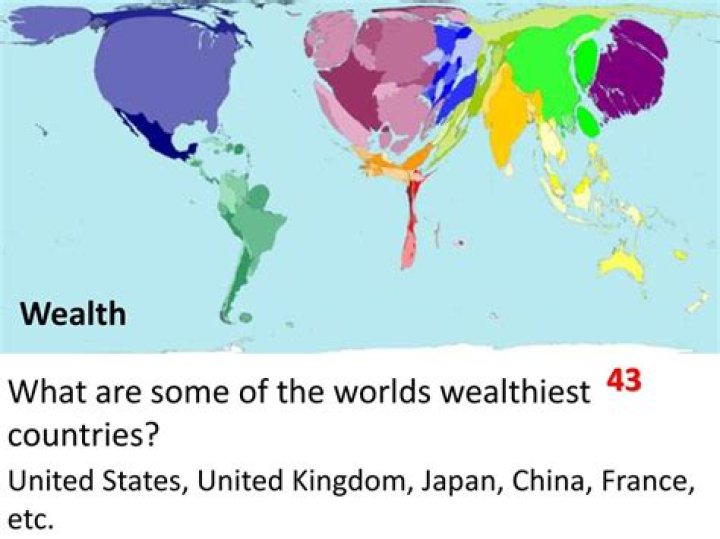
Welcome to our article on the world’s wealthiest countries. In this piece, we will delve into the top economic powerhouses, the richest countries, and the countries with the highest GDP. Discover the fascinating dynamics behind these high-income nations and explore the impact of wealth disparities and the COVID-19 pandemic on their economies.
When examining the world’s wealthiest countries, it becomes evident that many of these nations are also the smallest. These countries benefit from sophisticated financial sectors, lucrative natural resources, and thriving tourism industries. However, it is important to note that wealth distribution can still be unequal within these nations, despite their affluence.
Throughout this article, we will explore various aspects of wealth, including GDP per capita, purchasing power parity (PPP), and net worth. We will also delve into the impact of COVID-19 on wealth disparities, the influence of wealth on happiness and quality of life, and the multifaceted nature of measuring a country’s wealth.
Key Takeaways:
- The world’s wealthiest countries are often the smallest, benefiting from advanced financial sectors, natural resources, and tourism.
- Wealth disparities were exposed during the COVID-19 pandemic, with lower-income individuals being disproportionately affected.
- GDP per capita, purchasing power parity, and net worth are crucial indicators of a country’s wealth.
- Wealth does contribute to happiness and quality of life, but it is not the sole determinant.
- A comprehensive understanding of a country’s wealth requires considering various metrics, such as GDP, net worth, and per capita income.
Small and Wealthy: The Dynamics of the World’s Richest Nations
In the world of economics, it’s fascinating to see that some of the smallest countries are also the wealthiest. These nations have harnessed the power of their size and utilized their resources to create thriving economies. Let’s explore the dynamics behind the wealth of these small but prosperous countries.
One key factor contributing to the wealth of these nations is their sophisticated financial sectors. Countries such as Switzerland and Luxembourg have established themselves as global financial hubs, attracting international businesses and investors. Their stable banking systems, favorable tax regimes, and robust regulatory frameworks have made them attractive destinations for financial services. This has resulted in significant capital flows and economic growth, contributing to their high GDP per capita.
Another factor that sets these countries apart is the presence of lucrative natural resources. For example, countries like Qatar and the United Arab Emirates have abundant reserves of oil and natural gas, which have propelled their economies to new heights. These resources have not only fueled economic growth but also enabled these nations to invest in infrastructure, education, and healthcare, ensuring a high standard of living for their citizens.
Table: GDP per Capita of Small and Wealthy Countries
| Country | GDP per Capita |
|---|---|
| Luxembourg | $118,001 |
| Switzerland | $83,716 |
| Singapore | $64,093 |
| Qatar | $59,330 |
Purchasing power parity (PPP) is another crucial factor that contributes to the wealth of these nations. PPP takes into account the local cost of living and provides a more accurate reflection of a country’s wealth. Countries with high PPP, such as San Marino and Singapore, have a higher standard of living due to their ability to purchase goods and services at a relatively lower cost.
In conclusion, the dynamics behind the wealth of small countries are multi-faceted. They leverage their sophisticated financial sectors, capitalize on their natural resources, and benefit from high GDP per capita and purchasing power parity. These factors contribute to their overall prosperity and position them among the world’s wealthiest nations.
The Impact of COVID-19 on Wealth Disparities
The COVID-19 pandemic has had far-reaching consequences on global economies, exposing and widening wealth disparities across the world’s wealthiest nations. While these countries had the resources to implement various measures to support their economies and citizens, the economic fallout of lockdowns and job losses disproportionately affected lower-income workers, exacerbating income inequality further.
The pandemic-induced economic crisis has led to a significant impact on wealth distribution, with the wealthiest individuals often being insulated from the worst effects. Meanwhile, individuals and businesses in lower-income brackets faced severe financial challenges, struggling to meet basic needs and maintain their standard of living. This stark contrast has shed light on the existing wealth gap and the need for more equitable distribution of resources and support.
Lockdown measures, implemented to contain the spread of the virus, resulted in the shutdown of many businesses, leading to widespread job losses and decreased consumer spending. The restrictions disproportionately affected industries that employ lower-income workers, such as retail, hospitality, and travel. As a result, individuals in these sectors faced significant financial hardships, struggling to pay bills, rent, and put food on the table.
The economic fallout caused by the pandemic has also resulted in inflation and economic crises in some countries, further widening the income gap. As poorer countries experienced minimal growth in purchasing power, the wealthiest nations saw their wealth and prosperity continue to grow. This divergence in economic growth has underscored the urgency for governments and organizations to address income inequality and implement policies that prioritize the well-being and financial stability of all citizens.
The 10 Richest Countries in the World
When it comes to measuring a country’s wealth, GDP per capita and purchasing power parity are key indicators. Here are the top 10 richest countries based on these metrics:
| Rank | Country | GDP per Capita (International Dollars) | Purchasing Power Parity |
|---|---|---|---|
| 1 | San Marino | 136,630 | 1.47 |
| 2 | United States | 63,051 | 1 |
| 3 | Norway | 60,792 | 1.03 |
| 4 | Switzerland | 59,165 | 0.93 |
| 5 | United Arab Emirates | 48,096 | 2.06 |
| 6 | Luxembourg | 49,532 | 1.93 |
| 7 | Qatar | 59,784 | 1.71 |
| 8 | Singapore | 57,714 | 1.56 |
| 9 | Ireland | 79,116 | 1.47 |
| 10 | Iceland | 55,909 | 1.46 |
These countries showcase high levels of wealth and economic stability. San Marino, a microstate in Southern Europe, leads the pack with a GDP per capita of $136,630. The United States follows closely behind with a GDP per capita of $63,051. Norway, Switzerland, and the United Arab Emirates round out the top five.
It’s important to note that while GDP per capita provides insights into a country’s overall wealth, it doesn’t necessarily reflect income equality or the cost of living. Purchasing power parity takes into account the differences in price levels between countries, giving a more accurate representation of the real value of goods and services.
“Wealth consists not in having great possessions, but in having few wants.” – Epictetus
While these countries enjoy high levels of wealth, it’s essential to consider the broader socioeconomic context and structural inequalities that may exist within their borders. The distribution of wealth and access to resources can vary among different social groups, highlighting the need for equitable policies and measures to ensure prosperity is shared by all.
Next, we’ll explore the concept of national net worth and how it impacts a country’s financial stability and global influence.
Rich in Net Worth: Understanding National Wealth
When assessing the wealth of a country, national net worth is a crucial indicator. It encompasses a range of factors such as assets, liabilities, tax rules, and natural resources. National net worth plays a significant role in determining a country’s financial stability, as well as its influence on foreign investments.
One key consequence of a nation’s net worth is its sovereign credit rating. A higher net worth often leads to a higher credit rating, indicating a country’s ability to meet financial obligations and repay debts. This, in turn, allows the nation to access favorable borrowing rates in international markets.
The influence of national net worth extends beyond domestic financial matters. It also affects the attractiveness of a country to foreign investors. When a country possesses a strong net worth, it signals stability and potential returns on investments. This can encourage foreign businesses and individuals to invest in the country’s economy, boosting economic growth and contributing to national wealth.
“A nation’s net worth is a reflection of its economic strength and stability. It serves as a measure of financial resilience and can significantly impact a country’s ability to attract foreign investments.”
– Expert in Financial Economics
The Richest Countries by Net Worth
When it comes to measuring the wealth of nations, net worth is a crucial indicator. Net worth takes into account a country’s assets and liabilities, providing a comprehensive view of its financial standing. While countries like China and the United States have consistently ranked among the richest based on net worth, there are other nations that also boast significant wealth.
One significant factor contributing to a country’s net worth is its status as a tax haven. A tax haven is a country or jurisdiction with favorable tax laws, attracting individuals and businesses seeking to minimize their tax liabilities. Countries like the Cayman Islands, with its zero-tax regime, have become popular destinations for foreign investments, further boosting their net worth.
Net Worth in the Middle East
The Middle East is renowned for its vast oil reserves, which have propelled countries in the region to significant wealth. Nations such as Saudi Arabia, the United Arab Emirates, and Qatar have amassed considerable net worth due to their oil resources and strategic investments in various industries. Their financial strength has allowed them to diversify their economies and develop high-tech industries, further bolstering their net worth.
High-Tech Industries and Wealth
Beyond the Middle East, countries with thriving high-tech industries also rank among the richest by net worth. South Korea, known for its innovative technology companies like Samsung and LG, has experienced exponential economic growth, leading to increased net worth. Similarly, Germany, with its strong manufacturing sector and advancements in automation and engineering, has established itself as a global economic powerhouse.
| Country | Net Worth (in billions) |
|---|---|
| China | $63,827 |
| United States | $143,883 |
| Cayman Islands | $627 |
| Saudi Arabia | $1,928 |
| United Arab Emirates | $719 |
| Qatar | $335 |
| South Korea | $2,166 |
| Germany | $4,047 |
The Richest Countries by Per Capita Income
When it comes to wealth, some countries stand out for their high salaries and income equality. These nations have managed to create economic environments that prioritize the well-being of their citizens. Let’s take a look at the richest countries based on per capita income, with a focus on European wealth.
High Salaries and Income Equality
Switzerland, the United States, Australia, Denmark, New Zealand, Norway, Singapore, Canada, Netherlands, and Belgium are among the richest countries based on per capita income. These nations have excelled in providing their citizens with high salaries and income equality, ensuring a higher standard of living for all.
In these countries, workers benefit from minimum wage laws, strong labor unions, and high levels of education and skills training. The focus on income equality allows individuals to thrive, reducing the wealth gap and promoting social cohesion.
European Wealth and Economic Stability
European countries dominate the list of the richest countries by per capita income due to their robust economies and economic stability. These nations have developed strong industries, including finance, manufacturing, and technology, which contribute to their overall wealth.
Additionally, European countries prioritize the well-being of their citizens through comprehensive social welfare systems and accessible public services. This commitment to social welfare further enhances the quality of life and overall happiness of their populations.
| Rank | Country | Per Capita Income |
|---|---|---|
| 1 | Switzerland | $80,790 |
| 2 | United States | $63,416 |
| 3 | Australia | $53,799 |
| 4 | Denmark | $52,542 |
| 5 | New Zealand | $46,461 |
| 6 | Norway | $45,092 |
| 7 | Singapore | $43,117 |
| 8 | Canada | $42,157 |
| 9 | Netherlands | $41,297 |
| 10 | Belgium | $40,827 |
“The high salaries and income equality in these countries contribute to a sense of well-being and create societies where individuals can thrive.” – Economist
The Richest Countries by GDP
When it comes to measuring the wealth of nations, GDP (Gross Domestic Product) is a critical indicator. China and the United States are the top contenders in terms of GDP, with both countries boasting strong economies and significant global influence. However, European countries like Luxembourg, Ireland, Switzerland, and Norway lead in GDP per capita, showcasing their wealth on an individual level.
China, with its massive population and rapidly growing economy, has consistently ranked among the world’s top GDP contributors. Its manufacturing and export sectors have propelled its economic growth, making it a formidable player on the global stage. The United States, on the other hand, has a diverse economy and is home to many of the world’s largest corporations. Its technological advancements and innovation contribute significantly to its high GDP.
Key Takeaways:
- Wealth is not the sole determinant of happiness and quality of life. Factors such as social support, health, and freedom also play significant roles.
- GDP per capita is an indicator of wealth and economic prosperity, but it does not capture wealth distribution or income equality.
- The standard of living, which encompasses various aspects of life, provides a more comprehensive measure of the quality of life.
- Happiness and well-being are subjective experiences influenced by culture, personal values, and individual goals.
While wealth can contribute to happiness and a higher quality of life, it is essential to consider the holistic nature of well-being and the influence of non-material factors. A comprehensive approach that encompasses financial prosperity, social support, health, and personal fulfillment is necessary for individuals and societies to thrive.
Conclusion: A Multifaceted View of the World’s Wealthiest Countries
The world’s wealthiest countries encompass a wide range of economic indicators that contribute to their diverse metrics of wealth. These nations exhibit economic prowess and global influence, but their wealth is measured not only by GDP, but also by net worth, per capita income, and purchasing power parity.
By considering multiple indicators, we gain a comprehensive understanding of a country’s wealth. GDP provides insight into the overall economic activity, while net worth considers assets, liabilities, and financial stability. Per capita income reflects the wealth distribution and quality of life, and purchasing power parity accounts for the cost of living and material well-being.
These diverse metrics highlight the intricacies of a country’s economic landscape. While some nations excel in GDP or net worth, others prioritize per capita income and quality of life. Each indicator offers a unique perspective on a country’s prosperity, allowing us to appreciate the various dimensions of wealth across the world.
Furthermore, economic prowess and global influence go beyond financial wealth. They encompass factors like technological innovation, political stability, social welfare systems, and cultural impact. A country’s ability to navigate the interconnected global economy and contribute positively to collective progress shapes its position among the world’s wealthiest.
FAQ
What factors contribute to a country being considered wealthy?
Factors such as advanced financial sectors, lucrative natural resources, and thriving tourism industry can contribute to a country’s wealth.
How are the richest countries determined?
The wealth of a country is often determined by indicators such as GDP per capita, purchasing power parity, and net worth.
Do smaller countries have the potential to be wealthy?
Yes, many of the world’s smallest countries are among the richest due to factors like advanced financial sectors, tax regimes, and natural resources.
How has the COVID-19 pandemic affected wealth disparities?
The pandemic has highlighted wealth disparities, with lower-income workers being disproportionately affected by lockdowns and job loss.
Which are the top 10 richest countries in the world?
The top 10 richest countries based on GDP per capita and purchasing power parity are San Marino, United States, Norway, Switzerland, United Arab Emirates, Luxembourg, Qatar, Singapore, Ireland, and Iceland.
What factors contribute to a country’s net worth?
National net worth is influenced by factors such as assets, liabilities, tax rules, and natural resources.
Which countries have the highest net worth?
China and the United States consistently rank among the richest countries based on net worth. Other countries like the Cayman Islands, Saudi Arabia, the United Arab Emirates, Qatar, South Korea, and Germany also have significant net worth.
Which countries have the highest per capita income?
Switzerland, the United States, Australia, Denmark, New Zealand, Norway, Singapore, Canada, Netherlands, and Belgium are among the richest countries based on per capita income.
How do European countries compare in terms of GDP per capita?
While China and the United States have the highest GDP, European countries like Luxembourg, Ireland, Switzerland, and Norway lead in GDP per capita.
Is wealth the sole determinant of happiness and quality of life?
No, factors like social support, health, and freedom also play significant roles in overall well-being.
How can we gain a comprehensive understanding of a country’s wealth?
By considering multiple indicators such as GDP, net worth, per capita income, and purchasing power parity, we can gain a more comprehensive view of a country’s wealth.