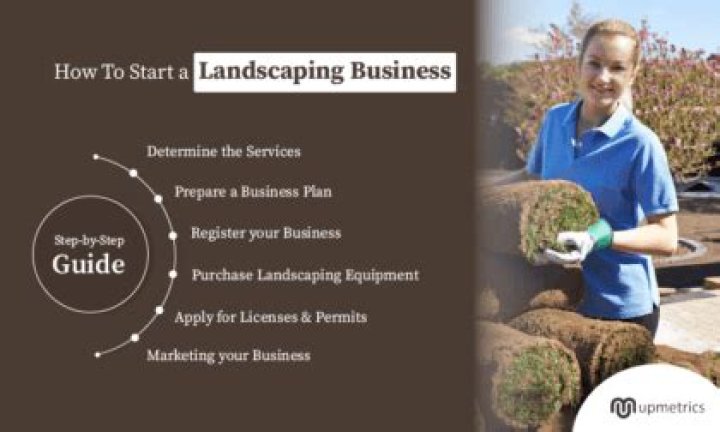
Start a Landscaping Business: Essential Tips

Christopher Ramos
Published Jan 14, 2026
If you have a passion for outdoor spaces and a knack for making landscapes beautiful, starting a landscaping business could be a fulfilling venture. Whether you’re transitioning from being an employee to becoming your own boss or are simply drawn to the landscaping industry, this guide will provide you with essential tips to help you start your own successful landscaping business.
Key Takeaways:
- Conduct thorough market research to understand local demand and identify service gaps you can fill.
- Consider obtaining certifications or education in landscaping to attract customers and showcase your expertise.
- Choose the appropriate business structure (sole proprietorship, partnership, or LLC) and obtain the necessary licenses and permits.
- Open a separate business bank account and credit card to keep personal and business finances separate.
- Budget your time and money wisely, considering startup costs, pricing strategies, and off-season planning.
Learn Your Market and Select Your Services
Before starting your landscaping business, it’s crucial to conduct a market analysis to gain a deeper understanding of your local market. By researching and analyzing your target market, you can identify potential customers and the services they require. Additionally, studying your competitors’ offerings and prices will help you identify service gaps that you can fill.
Market Analysis: Understanding Your Local Market
To successfully establish and grow your landscaping business, you need to understand the dynamics of your local market. This involves gathering information about your target customers, their needs, and the competitive landscape.
- Identify Potential Customers: Analyze the demographics and characteristics of your potential customers. Are you targeting homeowners, businesses, or both? Determine their preferences, budget range, and specific landscaping needs.
- Research Competitors: Study the landscaping services offered by your competitors in the local market. Evaluate their pricing strategies, the range of services they provide, and the quality of their work.
- Service Gaps: Look for opportunities to differentiate your business by identifying service gaps in your market. These are areas where competitors may not be fulfilling the needs of customers, such as specialized landscaping services or unique design offerings.
| Benefits of Market Analysis | How It Helps Your Business |
|---|---|
| Identifies customer preferences | Allows you to tailor your services to meet specific customer needs |
| Highlights service gaps | Enables you to offer unique and in-demand services |
| Minimizes competition | Helps you differentiate your business from competitors |
Selecting Your Services: Meeting Customer Needs
Based on the market analysis, you can narrow down your offerings and determine which services to focus on. This will allow you to cater to the specific needs of your target market and position your business as a trusted provider of essential landscaping services.
“Selecting the right services is crucial for building a successful landscaping business. By offering services that align with your target market’s desires and needs, you can position your business as the go-to solution in your local area.”
– John Peterson, experienced landscaper
- Survey Customers: Conduct surveys to gather feedback from homeowners and businesses in your area. Ask about their landscaping preferences, pain points, and any improvements they would like to see.
- Incentives for Responses: Offer discounts on future services as an incentive for homeowners and businesses to respond to your survey. This will encourage participation and help you gather valuable insights.
- Narrow Down Your Offerings: Based on the feedback and data collected, narrow down your services. Focus on those that are in high demand and align with the needs and preferences of your target market.
By understanding your local market and selecting the right services, you can position your landscaping business for success. You’ll be able to offer services that cater to the needs of your target market, differentiate yourself from competitors, and ultimately attract more customers.
Consider Certifications and Education
Depending on the services you plan to offer, consider obtaining certifications or a degree in landscaping. Landscape architects typically require a degree in landscaping to practice professionally. While some landscaping or lawn care services may not require academic credentials, having a good working knowledge of local plants is important to provide quality service to your clients. Additionally, obtaining certifications from reputable organizations can help you stand out in the industry and attract more customers.
The National Association of Landscape Professionals (NALP) is a well-known organization in the landscaping industry that offers certifications for professionals. These certifications validate your expertise and knowledge in specific areas of landscaping. NALP provides certifications in various categories, including landscape design, lawn care, irrigation, and sustainable landscaping.
The Environmental Protection Agency (EPA) also offers certifications that demonstrate your commitment to eco-friendly practices. These certifications are especially valuable if you offer services that involve pesticide application or manage water resources.
By obtaining relevant certifications and having a solid educational background, you can build credibility and trust with your clients. It showcases your commitment to professional growth and staying updated with the latest industry practices and regulations.
Certifications and Organizations
| Certification | Organization |
|---|---|
| Landscape Industry Certified | National Association of Landscape Professionals (NALP) |
| CLT – Certified Landscape Technician | National Association of Landscape Professionals (NALP) |
| CLA – Certified Landscape Architect | State licensing boards for landscape architects |
| EPA WaterSense Partner | Environmental Protection Agency (EPA) |
| Pesticide Applicator Certification | State departments of agriculture or environmental protection |
Gaining relevant certifications and continuing your education not only enhances your skills and knowledge but also elevates your reputation in the landscaping industry. Clients are more likely to trust and choose a landscaping professional who has the expertise and credentials to meet their specific needs.
Choose Your Business Structure
When starting your landscaping business, one of the crucial decisions you’ll need to make is choosing the right business structure. The three most common options are sole proprietorship, partnership, and limited liability company (LLC). Each structure has its own unique advantages and considerations.
Sole Proprietorship:
A sole proprietorship is the simplest and least expensive business structure to set up. As a sole proprietor, you will have complete control over your landscaping business and its operations. However, it’s important to note that with a sole proprietorship, you are personally liable for any business debts or liabilities.
Partnership:
If you plan to start a landscaping business with one or more partners, a partnership structure may be the right choice for you. In a partnership, the responsibilities and liability are shared among the partners. It’s essential to have a well-defined partnership agreement in place to outline each partner’s rights, responsibilities, and profit-sharing arrangements.
Limited Liability Company (LLC):
An LLC offers liability protection for your personal assets while providing the flexibility of a partnership. It combines the limited liability of a corporation with the pass-through taxation of a partnership. This means that as an owner of an LLC, your personal assets are generally protected in the event of business debts or legal issues.
Before deciding on the business structure for your landscaping company, consider the following factors:
- The level of personal liability you are comfortable with.
- The potential for future growth and expansion.
- The number of owners involved in your business.
- Your long-term business goals and exit strategy.
In consultation with a legal and financial professional, carefully weigh the pros and cons of each structure to determine which one aligns best with your specific needs and objectives.
By selecting the most appropriate business structure, you can ensure legal compliance, protect your personal assets, and position your landscaping business for long-term success.
Comparison of Business Structures
| Business Structure | Advantages | Considerations |
|---|---|---|
| Sole Proprietorship |
|
|
| Partnership |
|
|
| Limited Liability Company (LLC) |
|
|
Get Your Business License
Starting a landscaping company requires obtaining the necessary licenses and permits to operate legally. Most states require a business license specifically for landscaping companies. It’s important to reach out to your county clerk’s office to understand the specific licenses and permits you need to acquire.
If your business involves transporting plants across state lines, you may also need a federal license or permit. This is important to ensure compliance with regulations and to avoid any penalties. To determine the requirements for a federal license or permit, it is advised to check with the U.S. Department of Agriculture.
Complying with all licensing regulations is crucial. It is important to fill out the required paperwork correctly to avoid any hassles or issues in the future.
Benefits of Getting Your Business License:
- Operate legally as a landscaping company
- Establish credibility and trust with customers
- Ensure compliance with local regulations and ordinances
- Access government contracts and opportunities
Quotes:
“The business license is a crucial step in starting a landscaping company. It not only ensures that you are operating within the bounds of the law but also helps establish trust with your customers.”
– Jane Smith, Owner of Green Gardens Landscaping
By obtaining your business license, you can set a solid foundation for your landscaping company and demonstrate your commitment to professionalism and adherence to regulations. This will help you attract more customers and build a strong reputation within the industry.
Open a Business Bank Account and Credit Card
When starting your landscaping business, one of the first steps you should take is opening a dedicated business bank account. Even if you’re operating as a sole proprietor, separating your personal and business finances is crucial for effective bookkeeping and tax filing. By having a separate business bank account, you can easily track your business income and expenses, monitor cash flow, and simplify financial reporting.
Choose a bank that offers suitable services for your business needs. Whether you prefer a brick-and-mortar bank or an online bank, consider factors such as fees, account features, customer support, and convenience. Look for options that provide online banking, mobile apps, and easy integration with accounting software.
Additionally, opening a business credit card can further streamline your financial management. A business credit card allows you to separate your personal and business expenses, making it easier to track and manage your business-related transactions. It also offers benefits such as better expense tracking, rewards programs, and improved cash flow management.
Benefits of Opening a Business Bank Account and Credit Card:
- Separation of Personal and Business Expenses: Keeping your personal and business finances separate is essential for accurate financial records and avoiding any confusion or complications during tax season.
- Improved Bookkeeping: Having a dedicated business bank account and credit card makes it easier to track and categorize your business expenses, which simplifies your bookkeeping process.
- Better Financial Reporting: With separate accounts, you can generate accurate financial statements, monitor cash flow, and gain a clear understanding of your business’s financial health.
- Legal and Tax Compliance: Establishing a distinct business bank account and credit card helps you comply with legal and tax requirements, providing proper documentation and transparency for audits or inspections.
- Access to Financial Services: Some banks offer specialized business banking services, such as business loans, lines of credit, and merchant services. Having a good relationship with a business bank can facilitate future financial transactions and growth opportunities.
To visualize the benefits of opening a business bank account and credit card, here is a comparison table:
| Personal Account | Business Account | |
|---|---|---|
| Separation of Personal and Business Expenses | No | Yes |
| Easier Bookkeeping and Financial Reporting | No | Yes |
| Access to Business Financial Services | Limited | Yes |
| Improved Legal and Tax Compliance | No | Yes |
Having a dedicated business bank account and credit card is not only a smart financial move but also demonstrates professionalism and credibility to your clients and partners. It sets the foundation for effective financial management and supports the growth of your landscaping business.
Budget Your Time and Money
When starting your landscaping business, it’s vital to budget your time and money effectively. By carefully managing your resources, you can ensure smooth operations, maintain profitability, and plan for future growth. Here are key considerations for budgeting in your landscaping business:
1. Startup Costs
Estimate your initial expenses, including equipment, advertising, and hiring employees. Consider the following startup costs:
- Landscaping Equipment: List the essential tools and machinery you’ll need, such as lawnmowers, trimmers, and leaf blowers. Research prices from different suppliers and compare options for renting or buying equipment.
- Marketing and Advertising: Allocate a budget for promoting your business, including online advertising, designing a website, printing marketing materials, and attending industry events.
- Employee Costs: If you plan on hiring employees, account for their wages, benefits, and training expenses.
2. Pricing Strategy
Develop a pricing strategy that considers your startup costs, competitor rates, and the value you provide. Balancing competitive pricing while ensuring profitability is crucial. Determine whether you’ll charge clients based on an hourly rate, a flat project fee, or square footage rates. Consider the following factors when setting your prices:
- Competitor Analysis: Research how other landscapers in your area price their services. Assess their offerings, quality, and customer reviews to identify an optimal pricing range.
- Value Proposition: Highlight the unique aspects of your services that distinguish you from competitors. Emphasize the quality, reliability, and expertise you bring to your clients.
- Costs and Overhead: Factor in your operational costs, such as labor, materials, equipment maintenance, and insurance premiums. Ensure your pricing covers these expenses while maintaining profitability.
3. Equipment Maintenance Costs
Regular equipment maintenance is essential for ensuring optimal performance and longevity. Allocate a budget for routine maintenance, repairs, and replacements. Consider the following:
- Maintenance Schedule: Develop a schedule for ongoing maintenance tasks, such as oil changes, blade sharpening, and equipment cleaning.
- Emergency Repairs: Plan for unforeseen breakdowns or malfunctions by setting aside funds for emergency repairs.
- Equipment Replacements: Factor in the lifespan of your equipment and budget for future replacements to keep your operations running smoothly.
4. Off-Season Planning
During the off-season, landscaping activities may slowdown. Plan ahead to handle the reduced workload and ensure financial stability. Consider the following:
Plan for the off-season by saving money or offering additional services like snow plowing.
- Saving Money: Anticipate the seasonal downturn by setting aside funds during peak months. This financial buffer can help cover fixed costs and personal expenses during leaner periods.
- Add-on Services: Explore opportunities to offer additional services during the off-season, such as snow removal or holiday decoration installations.
By carefully budgeting your time and money, accounting for startup costs, implementing a pricing strategy, preparing for equipment maintenance, and planning for the off-season, you can set your landscaping business on a solid financial foundation for future success.
Get the Required Business Insurance, Licenses, and EIN
When starting your landscaping business, it’s important to protect yourself, your employees, and your assets by obtaining the necessary insurance coverage. General liability insurance is essential to safeguard against damages and legal liabilities that may arise during your operations.
You should also consider property and casualty insurance, which provides financial protection for your business property, equipment, and vehicles. Additionally, worker’s compensation insurance is crucial if you have employees, as it covers medical expenses and lost wages in the event of work-related injuries.
Obtaining the required business licenses and permits is another vital step in setting up your landscaping business. The specific licenses and permits you’ll need will vary depending on your location and the services you offer. It’s important to contact your county clerk’s office to understand the local requirements and ensure compliance.
Applying for an Employer Identification Number (EIN) is necessary if you plan to hire employees or operate your landscaping business as a partnership or corporation. An EIN is used to identify your business for tax purposes, making it essential for paying taxes and handling other financial obligations.
| Type of Insurance | Description |
|---|---|
| General Liability Insurance | Provides coverage for damages and legal liabilities |
| Property and Casualty Insurance | Offers financial protection for business property, equipment, and vehicles |
| Worker’s Compensation Insurance | Covers medical expenses and lost wages for work-related injuries |
Here’s an overview of the insurance and licenses needed for your landscaping business:
- General Liability Insurance: Protects your business against damages and legal liabilities.
- Property and Casualty Insurance: Offers financial protection for business property, equipment, and vehicles.
- Worker’s Compensation Insurance: Covers medical expenses and lost wages in case of work-related injuries.
- Business Licenses: Required permits and licenses based on your services and location.
- Employer Identification Number (EIN): Needed for tax purposes and hiring employees.
By obtaining the necessary insurance coverage, licenses, and an EIN for your landscaping business, you can ensure legal compliance and protect your assets and employees.
Decide on Your Prices
Setting the right prices for your landscaping services is a critical aspect of running a successful business. Your pricing strategy should be competitive, yet profitable, taking into account various factors such as your desired hourly rate, overhead costs, materials, taxes, and markup. By considering these elements, you can ensure that your prices adequately reflect the value you offer to your customers.
Analyzing the Competition
Researching what similar businesses charge in your area can serve as a valuable starting point for determining your prices. Take into account the types of services they offer, their quality of work, and their reputation within the industry. While it’s essential to stay competitive, don’t fall into the trap of underpricing your services, as this can undermine your profitability in the long run.
Choosing a Pricing Structure
When deciding on your pricing structure, consider the most suitable approach for your business. Some common options include:
- Hourly Rates: Charging an hourly rate is a straightforward method that allows you to accurately bill customers based on the time you spend on their projects.
- Flat Project Fee: Offering a flat fee for specific services or projects provides transparency for your customers and simplifies the pricing process.
- Square Footage Rates: Pricing your services based on the square footage of the land you work on can be an effective way to account for the size and complexity of each project.
Consider the advantages and disadvantages of each pricing structure and choose the one that aligns best with your business goals and target market.
Flexibility and Adjustments
Keep in mind that pricing is not set in stone. It’s important to be open to adjusting your prices as necessary. Factors such as market demand, seasonality, and changes in material costs can influence the viability of your pricing strategy. Regularly evaluate and reassess your prices to ensure they remain competitive and profitable.
Sign Up for Project Management Software
Running a landscaping business involves managing various tasks, schedules, and client communication. To make these aspects more organized and efficient, consider signing up for project management software. One popular option is Jobber, a comprehensive tool designed specifically for service-based businesses like yours. By utilizing project management software, you can streamline your operations, enhance client communication, and improve overall productivity.
Jobber offers a range of features tailored to the unique needs of landscaping businesses. Here are some key benefits:
- Scheduling: Easily schedule jobs, assign crew members, and manage your team’s tasks and workloads.
- Client Quotes and Estimates: Create professional and accurate quotes and estimates for clients, ensuring transparency and timely communication.
- Job Tracking: Keep track of ongoing projects, view job progress, and monitor completion timelines to meet client expectations.
Additionally, Jobber allows you to store essential customer and job information in one centralized location. This eliminates the need for manual record-keeping and reduces the risk of misplacing important details.
When signing up for project management software, choose a pricing plan that aligns with your business needs and budget. Jobber offers customizable pricing options to suit businesses of all sizes.
By incorporating project management software like Jobber into your landscaping business, you can optimize your efficiency, enhance client satisfaction, and take your operations to the next level.
| Benefits of Project Management Software for Landscaping Businesses |
|---|
| Efficient scheduling and task management |
| Professional client quotes and estimates |
| Effective job tracking and progress monitoring |
| Centralized storage of customer and job information |
Grow Your Landscaping Business
Selecting the right marketing strategies is crucial for the growth and success of your landscaping business. A well-developed marketing plan will help you promote your services and attract new clients. In today’s digital age, utilizing online platforms is essential. Utilize social media platforms like Facebook to reach a wider audience.
Implementing SEO tactics can improve your online visibility, making it easier for potential clients to find you when searching for landscaping services in your area. Remember, word-of-mouth marketing is a powerful tool. Focus on providing exceptional service to your clients to generate positive reviews and recommendations.
Consider local advertising opportunities and partnerships with complementary businesses to expand your reach. As your business grows, explore digital marketing options such as Google Ads and social media advertising to target specific demographics and maximize your exposure.
While you may have the skills and knowledge to handle your marketing efforts, don’t hesitate to seek help from experts in the field. Hiring professionals with expertise in digital marketing can give you an edge over your competitors and help you reach a wider audience.
Remember, always strive to improve and expand your services, adapt to market trends, and provide exceptional customer experiences. By continuously evolving and implementing effective marketing strategies, you can ensure the steady growth and success of your landscaping business.
FAQ
How do I start a landscaping business?
To start a landscaping business, you need to consider factors such as selecting your services, conducting a market analysis, obtaining the necessary licenses, choosing a business structure, opening a business bank account, budgeting your time and money, and developing a marketing plan.
How can I learn my market and select my services?
Learning your market involves conducting a market analysis, researching competitors, and surveying homeowners and businesses to gather feedback. Selecting your services involves narrowing down your offerings based on demographics and customer needs, and considering certifications and education in landscaping.
Should I consider certifications and education for my landscaping business?
Yes, certifications and education can help attract customers and set your business apart. Consider obtaining certifications from organizations like the National Association of Landscape Professionals and the Environmental Protection Agency. Landscape architects typically require a degree in landscaping.
How do I choose the right business structure for my landscaping business?
When choosing a business structure, consider options such as sole proprietorship, partnership, and limited liability company (LLC). Sole proprietorship is the easiest and least expensive to start, but comes with personal liability. Partnerships are suitable for multiple owners, while LLCs offer liability protection and tax advantages.
What licenses and permits do I need for my landscaping business?
Most states require a business license for landscaping companies. Contact your county clerk’s office to understand the specific licenses and permits you need. If your business involves transporting plants across state lines, you may need a federal license or permit. Check with the U.S. Department of Agriculture for any specific requirements.
Should I open a business bank account and get a business credit card?
Yes, it’s important to open a business bank account to separate personal and business expenses. This makes bookkeeping and tax filing easier. Consider opening a business credit card to further separate personal and business expenses and take advantage of better terms and perks.
How should I budget my time and money for my landscaping business?
Budget your time and money by estimating your initial expenses, developing a pricing strategy, budgeting for equipment maintenance and replacements, and planning for the off-season. Consider yearly expenses and liabilities like taxes, insurance premiums, and other business costs.
What business insurance, licenses, and EIN do I need for my landscaping business?
Obtain business insurance such as general liability insurance, and acquire the required business licenses and permits based on your services and location. Apply for an Employer Identification Number (EIN) to pay taxes for your business.
How do I decide on the prices for my landscaping services?
Set your prices based on competitor rates and the value you offer. Consider factors like your desired hourly wage, overhead costs, materials, taxes, and markup. Research what similar businesses charge and use that as a baseline. Decide on the pricing structure, whether it’s an hourly rate, a flat project fee, or rates based on the square footage of the land you service.
Should I sign up for project management software for my landscaping business?
Yes, signing up for project management software like Jobber can help organize your business operations. This software allows you to schedule jobs, manage crews, build client quotes and estimates, track time spent on the field, and store essential customer and job information. It can streamline your processes and make your business more efficient.
How can I grow my landscaping business?
To grow your landscaping business, develop a marketing plan that includes social media platforms, SEO tactics, word-of-mouth marketing, local advertising, and partnerships with complementary businesses. As your business grows, explore digital marketing options and consider hiring experts to expand your reach. Continuously seek opportunities to improve and expand your services, adapt to market trends, and provide exceptional customer experiences.