Slash Electric Bills: How to Save Money on Electric Bills in 2024

Aria Murphy
Published Jan 14, 2026
Are you tired of skyrocketing electric bills eating into your monthly budget? You’re not alone. With the rising costs of electricity, it’s important to find ways to reduce your electric bill expenses and lower energy costs. In this article, we’ll share energy-efficient home tips, electricity saving methods, and smart energy-saving strategies to help you cut down on electricity expenses and save money in the process.
Key Takeaways:
- Implementing energy-efficient practices can help you save money on your electric bill.
- Simple measures like turning off lights and using appliances efficiently can make a significant difference.
- Using LED lighting, motion detectors, and smart power strips can contribute to energy conservation.
- Optimizing thermostat usage and adopting energy-saving cooking and laundry practices can also lead to cost savings.
- Considering solar power and conducting a home energy audit are long-term solutions for reducing electric consumption.
Tips for Efficient Dishwashing
When it comes to saving energy and reducing utility costs, even small changes in everyday tasks can make a big difference. Dishwashing is one such task where you can implement energy-efficient practices that not only save you money but also benefit the environment. Follow these tips to make your dishwashing routine more energy-efficient:
- Use an Energy Star-qualified dishwasher: Investing in an energy-efficient dishwasher can result in significant savings. Energy Star-qualified dishwashers use less water and electricity, helping you save up to 5,000 gallons of water and $40 in utility costs per year.
- Air-dry your dishes: Instead of using the heat-dry option, opt for air-drying. This simple switch can further reduce energy use. Not only does air-drying save energy, but it also helps you avoid utilizing unnecessary heat which can potentially damage plastic items.
- Load the dishwasher correctly: Properly loading the dishwasher ensures efficient cleaning and maximizes energy savings. Separate larger items, such as pots and pans, from smaller ones like plates and glasses to allow better water circulation.
By following these energy-saving dishwasher tips, you can not only save money but also contribute to a greener environment. Take a step towards energy efficiency and make a positive impact.
Energy-Saving Dishwasher Tips
| Tip | Description |
|---|---|
| Use an Energy Star-qualified dishwasher | Invest in an energy-efficient dishwasher to save water and electricity. |
| Air-dry dishes | Opt for air-drying instead of using the heat-dry option to reduce energy consumption. |
| Load dishwasher correctly | Separate larger and smaller items for efficient cleaning. |
Use Ceiling Fans Instead of Air Conditioning
When the summer heat becomes unbearable, many homeowners immediately turn to air conditioning to cool their homes. However, relying solely on air conditioning can lead to high energy consumption and expensive utility bills. A cost-effective alternative to consider is using ceiling fans.
Did you know that a ceiling fan can make a room feel 10 degrees Fahrenheit cooler? Not only that, but it also uses only 10% of the energy consumed by a central air conditioner. This makes ceiling fans an excellent option for reducing air conditioning costs and lowering overall energy consumption.
By using ceiling fans strategically, you can create a comfortable environment while significantly reducing your reliance on air conditioning. Here are some energy-saving tips to make the most out of your ceiling fans:
- Turn on the ceiling fans before turning on the air conditioner. The airflow from the fans helps distribute the cool air more efficiently, allowing you to set your air conditioner at a higher temperature, saving both energy and money.
- Make sure your ceiling fans are rotating counterclockwise during the summer. This direction creates a cooling breeze effect that makes the room feel more comfortable.
- Remember to turn off ceiling fans when you leave the room. Fans cool people, not rooms, so there’s no need to keep them running when no one is around.
- Consider using ceiling fans in conjunction with natural ventilation. Opening windows and doors strategically to allow cross ventilation can further enhance the cooling effect of ceiling fans.
| Air Conditioning | Ceiling Fans | |
|---|---|---|
| Energy Consumption | High | Low |
| Cooling Effect | Immediate | Takes time to feel the effect |
| Cost | Expensive | Affordable |
As you can see, using ceiling fans instead of air conditioning offers a cost-effective cooling option that can significantly reduce your energy consumption. Incorporating ceiling fans into your home cooling strategy is a simple and efficient way to stay comfortable while keeping your energy bills in check.
Switch to LED Lighting
When it comes to efficient and energy-saving lighting options, LED bulbs are a game-changer. Not only do they provide bright and vibrant illumination, but they also offer numerous benefits that go beyond traditional incandescent lighting.
LED bulbs use at least 75% less energy compared to incandescent bulbs. This significant energy reduction can lead to substantial savings on your electricity bills over time. By reducing electricity usage with LED lights, you not only save money but also contribute to a greener and more sustainable environment.
In addition to their energy-saving capabilities, LED bulbs are also known for their longevity. They last approximately 25 times longer than traditional incandescent bulbs, reducing the frequency of bulb replacements and lowering maintenance costs.
Furthermore, LED lighting offers a range of benefits that improve lighting quality and overall user experience. They produce high-quality, flicker-free light that is more pleasant to the eyes and provides better color rendering. LED bulbs are also instant-on, eliminating the annoying delay associated with fluorescent lights.
To illustrate the energy-saving and environmental benefits of LED lighting, let’s take a look at a comparison between LED bulbs and incandescent bulbs:
| Comparison | LED Bulbs | Incandescent Bulbs |
|---|---|---|
| Energy Efficiency | Use at least 75% less energy | Less energy-efficient, waste more energy as heat |
| Lifespan | Last approximately 25 times longer | Shorter lifespan, require frequent replacements |
| Environmental Impact | Reduce carbon emissions and landfill waste | Contribute to carbon emissions and landfill waste |
As you can see from the table above, LED bulbs outperform incandescent bulbs in terms of energy efficiency, lifespan, and environmental impact. By switching to LED lighting, you not only enjoy long-lasting, energy-saving light bulbs but also contribute to reducing electricity usage and promoting sustainability.
So, if you’re ready to reduce electricity usage, lower your electricity bills, and enjoy the benefits of long-lasting, energy-efficient lighting, make the switch to LED bulbs today.
Automate Lights with Motion Detectors
One of the most effective ways to save electricity and enhance the efficiency of your lighting system is by installing motion detectors. Motion sensor lights provide an energy-efficient lighting solution, eliminating the need for manually turning off lights when they are not in use.
By using motion detectors, lights automatically turn on when someone enters a room or an area, and they turn off when no movement is detected after a specific period. This smart technology not only saves electricity but also reduces the hassle of remembering to switch off lights.
Motion sensor lights offer several benefits that make them a popular choice for both residential and commercial spaces. They provide convenient and hands-free lighting, especially in areas where frequent or automatic lighting is required, such as hallways, garages, and outdoor spaces.
Installing motion detectors can eliminate the need for manually turning off lights. These sensors turn on when someone enters a room and turn off when no movement is detected, saving both time and money.
In addition to the convenience they provide, motion sensor lights contribute to energy efficiency and cost savings. By automatically switching off lights when no one is present, they prevent unnecessary electricity consumption. This not only reduces your carbon footprint but also lowers your electricity bills.
Imagine being able to walk into a room, and the lights turn on as if by magic. With motion sensor lights, you can enjoy the benefits of energy-efficient lighting while effortlessly saving electricity.
Comparison of Annual Energy Savings with Motion Sensor Lights
| Room/Area | Annual Energy Savings (kWh) |
|---|---|
| Kitchen | 150 |
| Bathroom | 110 |
| Garage | 200 |
| Outdoor | 250 |
As shown in the table above, motion sensor lights can lead to significant annual energy savings in various areas of your home. By installing motion detectors, you can take a proactive step towards reducing electricity consumption and contributing to a more sustainable environment.
Investing in motion sensor lights not only saves you money but also enhances your overall lighting experience. With their ability to provide convenient and efficient illumination, motion sensor lights are a valuable addition to any lighting system.
Offices and Commercial Spaces
Motion sensor lights are not limited to residential use only. In offices and commercial spaces, they offer numerous benefits, including improved safety, enhanced security, and increased energy savings. By automatically controlling the lighting in different areas, motion sensor lights help optimize energy consumption while ensuring adequate illumination for occupants.
In conclusion, motion sensor lights are an excellent energy-efficient lighting solution that saves electricity and enhances convenience. By automating your lights with motion detectors, you can enjoy hassle-free lighting and contribute to a greener, more sustainable future.
Energy-Saving Tips for Cooking
Cooking is an essential part of our daily lives, but it can also consume a significant amount of energy. By implementing a few simple practices, you can save electricity while cooking and make your kitchen more energy-efficient.
1. Utilize residual heat
One energy-saving technique is to turn off the burner early and allow the residual heat to finish cooking the food. The retained heat in the cookware can effectively continue the cooking process, saving electricity in the process.
2. Avoid frequent oven door openings
Opening the oven door frequently can significantly reduce the internal temperature, leading to increased energy consumption. Instead, use the oven light and window to check on your food’s progress without compromising the temperature. This small change can make a big difference in reducing stove energy consumption.
3. Opt for smaller appliances
For smaller cooking tasks, consider using smaller appliances like microwaves and toaster ovens. These appliances use less energy compared to a full-size oven, making them a more energy-efficient choice for quick and simple meals.
| Appliance | Energy Consumption | Benefits |
|---|---|---|
| Microwave | 600-1500 watts | – Faster cooking time – Focused energy usage |
| Toaster Oven | 1200-1800 watts | – Heats up quickly – Requires less time to preheat |
| Full-size Oven | 2400-5000 watts | – Ideal for large meals – Multiple cooking options |
By incorporating these energy-saving practices into your cooking routine, you can contribute to a more energy-efficient kitchen while reducing your electricity usage.
Power and Device Management
When it comes to managing your power consumption and reducing standby power usage, there are several strategies you can implement to save energy and lower your electricity bills. One effective approach is to invest in smart power strips, which are designed to eliminate standby power consumption.
Smart power strips work by detecting when a device is in standby mode and automatically cutting off power to it. This prevents energy wastage and reduces the standby power usage that adds up over time. By using smart power strips, you can ensure that only the necessary devices are powered on, saving energy and money.
Additionally, scheduling devices to turn on and off automatically through smart plugs or built-in timers can further optimize energy usage. For example, you can schedule your TV and entertainment system to turn off completely during specific hours when they are not in use. This eliminates the need for standby power and helps reduce your energy consumption.
Furthermore, choosing energy-efficient electronics can make a significant difference in reducing power consumption. Look for devices with energy-saving features and certifications like Energy Star. These electronics are designed to operate efficiently, minimizing energy waste and maximizing energy savings.
By implementing energy-saving power management techniques and making smart choices when it comes to your devices, you can significantly reduce your standby power usage and lower your energy costs. Take advantage of smart power strips, schedule your devices strategically, and opt for energy-efficient electronics to make the most of your energy-saving efforts.
Optimize Thermostat Usage
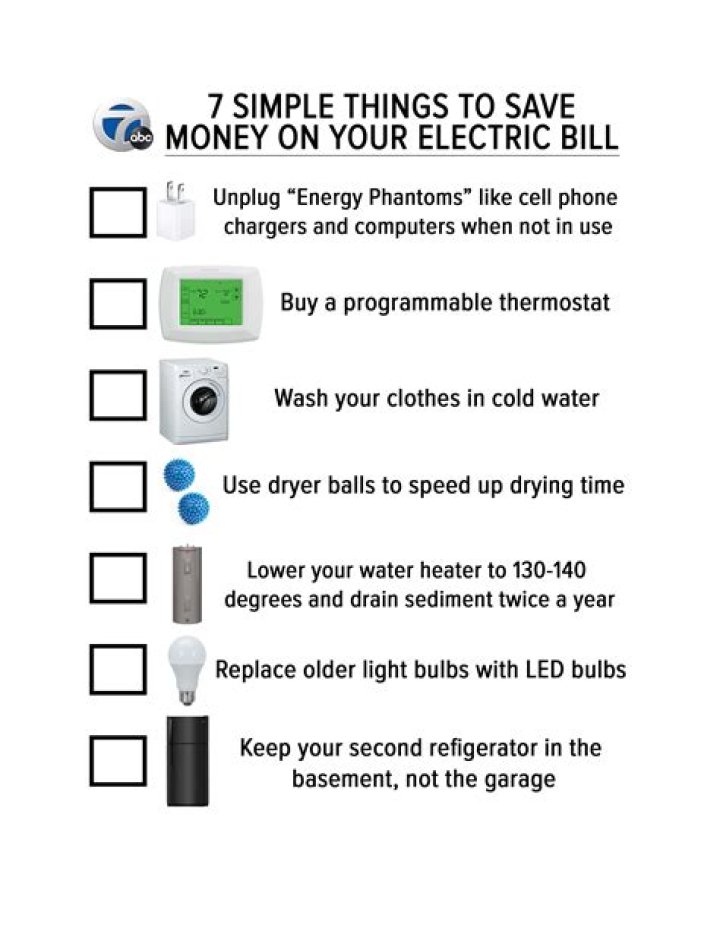
A programmable thermostat is a valuable tool for optimizing temperature control in your home and saving energy. By following a few simple strategies and making use of the programmable features, you can maximize your thermostat’s efficiency and reduce energy consumption.
Thermostat Energy-Saving Tips
- Set your thermostat to a slightly higher temperature during the summer months and a slightly lower temperature during the winter months to reduce energy usage. A recommended setting is 78°F in the summer and 68°F in the winter.
- Utilize the programmable features of your thermostat. Schedule temperature adjustments to coincide with your daily routine. For example, you can program the thermostat to lower the temperature when you’re away from home or sleeping, and raise it before you return or wake up.
- Avoid drastic temperature changes by adjusting the thermostat in small increments. This allows your heating or cooling system to operate more efficiently and helps maintain a comfortable indoor environment.
Benefits of a Programmable Thermostat
A programmable thermostat offers several advantages, including:
- Energy savings: By optimizing temperature settings and reducing the workload on your heating and cooling systems, you can save up to 10% on your energy bills.
- Convenience: With a programmable thermostat, you don’t have to manually adjust the temperature throughout the day. The thermostat takes care of it for you, ensuring a comfortable home environment while maximizing energy efficiency.
- Consistent temperature control: By setting a schedule, you can maintain a stable indoor temperature, preventing unnecessary fluctuations and improving overall comfort.
- Remote access: Some programmable thermostats offer remote access through smartphone apps, allowing you to adjust the temperature even when you’re not at home. This feature provides added convenience and control.
By implementing these thermostat energy-saving tips and taking advantage of the benefits of a programmable thermostat, you can effectively manage your home’s temperature while reducing energy consumption and saving money.
Comparison of Thermostat Types
| Thermostat Type | Features | Pros | Cons |
|---|---|---|---|
| Manual Thermostat | Basic temperature control | Simple and affordable option | No programmable features, requires manual adjustments |
| Programmable Thermostat | Schedule temperature adjustments | Energy savings, convenience | May require initial setup and programming |
| Smart Thermostat | Wi-Fi connectivity, learning capabilities | Remote access, energy optimization | Higher upfront cost, may require additional devices or wiring |
Note: The table provides a comparison of different thermostat types to help you choose the most suitable option for your home.
Efficient Laundry Practices
When it comes to doing laundry, there are several energy-saving tips you can follow to reduce your washing machine’s energy use and promote energy-efficient dryer usage. By implementing these practices, you can not only save money on your electricity bills but also contribute to a more sustainable environment.
One of the easiest ways to conserve energy while doing laundry is by washing your clothes in cold water. Heating water accounts for a significant portion of the energy consumed during the washing process. By opting for cold water, you can save up to 90% of the electricity typically used for washing clothes.
Additionally, consider air drying your clothes whenever possible. Using a clothesline or drying rack eliminates the need for a dryer altogether. If you prefer using a dryer, choose a lower heat setting. This reduces energy consumption and helps preserve the quality of your garments.
To maximize energy efficiency, make sure to do full loads of laundry. Running the washing machine or dryer with partial loads wastes energy and water. By waiting until you have enough clothes accumulated for a full load, you can optimize the energy and water resources utilized.
Investing in energy-efficient appliances, such as Energy Star-rated washing machines and dryers, can further enhance your laundry practices. These appliances are specifically designed to minimize energy use while maintaining excellent performance.
Key Tips for Efficient Laundry Practices:
- Wash clothes in cold water to save up to 90% on washing machine energy use.
- Air dry clothes or use a lower heat setting on the dryer to reduce energy consumption.
- Do full loads of laundry to maximize energy and water efficiency.
- Consider purchasing energy-efficient appliances, such as Energy Star-rated washing machines and dryers.
By adopting these energy-saving laundry tips and making conscious choices, you can significantly reduce your environmental impact and lower your utility bills.
Water Heating Efficiency
When it comes to saving energy and reducing utility costs, optimizing your water heating efficiency is essential. By implementing a few simple measures, you can make a significant impact on your energy consumption and lower your water heating expenses.
One effective strategy is to adjust the temperature of your water heater to 120 degrees Fahrenheit. This temperature is considered safe for most households and provides adequate hot water for daily needs. By lowering the water heater temperature, you can save energy and prevent unnecessary heat loss.
In addition to adjusting the temperature, reducing your shower time can also contribute to energy savings. Consider implementing energy-efficient showering practices such as taking shorter showers or using a timer to track your shower duration. These small changes can add up to significant energy savings in the long run.
“By adjusting the water heater temperature and reducing shower time, you can save energy on water heating and lower your utility bills.”
Install Low-Flow Showerheads
To further enhance your water heating efficiency, consider installing low-flow showerheads. These showerheads are designed to limit water flow while maintaining adequate water pressure, reducing both water and electricity usage.
Low-flow showerheads can deliver a satisfying shower experience while conserving water, making them a great investment for your energy-efficient home. With their efficient design, you can enjoy a refreshing shower while being conscious of your environmental impact.
“Installing low-flow showerheads can significantly reduce water and electricity usage for an even more energy-efficient showering experience.”
| Benefits of Water Heating Efficiency: | Actions |
|---|---|
| Save energy on water heating | Adjust water heater temperature to 120°F |
| Lower water heater temperature | Reduce heat loss and energy consumption |
| Energy-efficient showering | Take shorter showers and use timers |
| Install low-flow showerheads |
Energy Audit and Home Efficiency
A home energy audit is a comprehensive assessment of your home’s energy usage. It involves inspecting various components of your house to identify areas where energy is being wasted. By conducting an energy audit, you can gain insights into the specific areas where improvements can be made to increase energy efficiency and reduce utility bills.
An energy audit can offer numerous benefits, including:
- Identifying energy-saving opportunities: Through a systematic evaluation, an energy audit can pinpoint areas where energy is being wasted. This includes analyzing insulation, air leakage, HVAC systems, lighting, and appliances.
- Prioritizing energy-efficient home improvements: Once energy-saving opportunities are identified, the audit report will provide recommendations on the most effective measures to improve efficiency. This may include sealing air leaks, upgrading insulation, replacing outdated appliances with energy-efficient models, or optimizing heating and cooling systems.
- Maximizing cost savings: Implementing the recommendations from an energy audit can lead to significant cost savings on your utility bills. By reducing energy waste, you can lower your monthly expenses and increase long-term savings.
- Enhancing home comfort: A more energy-efficient home tends to have better insulation, improved heating and cooling systems, and optimized airflow. This can result in a more comfortable living environment throughout the year.
Take the first step towards a more energy-efficient home by scheduling an energy audit. It is a valuable investment that can help you identify energy-saving opportunities, prioritize improvements, and ultimately reduce your carbon footprint and utility expenses.
Consider Solar Power
If you’re looking to save money on your electricity bills and reduce your environmental impact, consider residential solar panel installation. Solar power offers numerous benefits, including significant savings, increased energy efficiency, and a cleaner, greener future.
By installing solar panels on your home, you can offset a significant portion of your electricity usage. This means your electric bills can be significantly reduced or even eliminated. As the efficiency and affordability of solar panels continue to improve, they have become an attractive option for homeowners seeking long-term savings.
In addition to the financial benefits, solar power also helps to reduce your carbon footprint. By harnessing the power of the sun, you can generate clean, renewable energy to power your home. This not only reduces your reliance on fossil fuels but also contributes to a healthier environment for future generations.
Residential solar panel installation is a sustainable and cost-effective choice that enables you to take control of your energy consumption while contributing to a brighter, more sustainable future. Consult with a reputable solar power installer to explore your options and make the switch to solar energy today.
FAQ
How can I save money on my electric bill?
There are several ways you can save money on your electric bill. You can start by turning off lights when you’re not using them and using appliances efficiently. Additionally, you can make energy-saving upgrades to your home and adopt smart energy-saving strategies.
What are some tips for efficient dishwashing?
To make your dishwashing more energy-efficient, you can use an Energy Star-qualified dishwasher, which can save up to 5,000 gallons of water and $40 in utility costs per year. Air-drying your dishes or using the air-dry option can also help reduce energy use. Make sure to load your dishwasher correctly and separate large items from smaller ones for efficient cleaning.
How can I use ceiling fans to save on air conditioning costs?
Ceiling fans are a cost-effective cooling option that can make a room feel 10 degrees Fahrenheit cooler while using only 10% of the energy consumed by a central air conditioner. By using ceiling fans instead of relying solely on air conditioning, you can significantly lower your cooling costs, especially during hot summers.
What are the benefits of switching to LED lighting?
LED bulbs use at least 75% less energy and last 25 times longer than incandescent lighting. By making the switch to LED lighting, you can see substantial savings on your electricity bills over time. LED bulbs are not only energy-efficient but also provide high-quality, long-lasting lighting.
How can motion detectors help me save on electricity?
Installing motion detectors can eliminate the need for manually turning off lights. These sensors turn on when someone enters a room and turn off when no movement is detected, saving both time and money. By automating your lighting with motion detectors, you can reduce unnecessary energy consumption.
Are there any energy-saving tips for cooking?
Yes, there are several energy-saving tips for cooking. For example, turning off the burner earlier can allow residual heat to finish cooking the food, saving electricity. Avoid frequent oven door openings, as it can lead to heat loss and require more energy to maintain the internal temperature. Using smaller appliances like microwaves and toaster ovens for small cooking tasks can significantly reduce energy use compared to using the full-size oven.
How can I reduce standby power usage?
Many electronic devices consume standby power, which contributes to electricity bills. To reduce standby power usage, you can use smart power strips and schedule devices to turn on and off automatically. These measures help eliminate unnecessary standby power consumption and lower your energy costs.
How can a programmable thermostat help me save on cooling and heating costs?
A programmable thermostat can save up to 10% on cooling and heating costs. By adjusting the temperature to be slightly lower or higher when you’re sleeping or away from home, you can reduce energy consumption and save money on your utility bills. A programmable thermostat provides efficient home temperature control.
What are some energy-saving tips for laundry?
To make your laundry practices more energy-efficient, wash clothes in cold water, which can save up to 90% of the electricity used for washing. Air drying or using a lower heat setting on the dryer can further reduce energy consumption. Doing full loads of laundry and using energy-efficient appliances also contribute to energy savings.
How can I improve water heating efficiency?
To improve water heating efficiency, adjust the temperature of your water heater to 120 degrees Fahrenheit. This can result in substantial energy savings. Additionally, reducing shower time and installing low-flow showerheads can further reduce water and electricity usage.
How can a home energy audit help me save on energy costs?
Conducting a home energy audit can help identify areas where energy is being wasted and provide recommendations for improvements. Sealing air leaks, upgrading insulation, and replacing inefficient appliances are some of the measures that can contribute to increased home energy efficiency. By implementing the audit’s recommendations, you can save money on your electric bills.
How can solar panels help me save on electricity bills?
Installing solar panels can offset a significant portion of your electricity usage, leading to reduced or eliminated electric bills. Solar panels have become more efficient and affordable, making them an attractive option for homeowners looking to save money on their electricity bills. By harnessing solar power, you can enjoy long-term energy savings.