How to Establish Business Credit in 2024

Rachel Hickman
Published Jan 15, 2026
Establishing business credit is crucial for the financial success and growth of your company. It allows you to access funds, protect ownership, and build a strong credit history for future borrowing opportunities. In this guide, we will explore the steps you need to take to establish business credit in 2024, ensuring your business is on the path to success.
Key Takeaways:
- Establishing business credit is essential for accessing funds and protecting ownership.
- Building a strong credit history is crucial for future borrowing opportunities.
- Register your business and obtain a Dun & Bradstreet number to start building business credit.
- Apply for a business credit card and register for net 30 accounts to further strengthen your business credit.
- Consistently pay bills on time and avoid judgments and liens to maintain a positive credit profile.
What is Business Credit?
Business credit plays a vital role in a company’s financial reputation and borrowing capabilities. It encompasses various factors such as borrowing and repayment, payment history, credit utilization, and business credit scores. A strong business credit score increases the likelihood of securing loans for small businesses.
“A good business credit score can open doors to secure loans and financing, providing the necessary funds to fuel business growth and expansion.”
When assessing business creditworthiness, lenders and financial institutions consider payment history as a crucial factor. Consistently making timely payments demonstrates a company’s reliability and responsible financial management. A solid payment history builds trust and enhances the chances of securing favorable borrowing terms and rates.
Another essential element in business credit evaluation is credit utilization. This refers to the percentage of available credit utilized by a company. A low credit utilization ratio indicates responsible credit management and boosts the business credit score.
Business credit scores, similar to personal credit scores, serve as a measure of a company’s creditworthiness. These scores are calculated by credit bureaus using proprietary algorithms that analyze various financial indicators, payment histories, and credit relationships. A higher business credit score indicates a lower risk of default and improves the chances of securing loans for small businesses.
To illustrate the significance of business credit, consider this simplified example:
| Business A | Business B | |
|---|---|---|
| Payment History | 80% | 100% |
| Credit Utilization | 25% | 80% |
| Business Credit Score | 85 | 70 |
Based on the example above, Business A demonstrates a more favorable business credit profile than Business B. With a higher payment history percentage, lower credit utilization ratio, and a higher business credit score, Business A is perceived as less risky to lenders and is more likely to secure loans and financing opportunities.
Establishing and maintaining good business credit is essential for small businesses seeking financial stability and growth. By understanding the importance of business credit and how it is evaluated, entrepreneurs can take proactive steps to build a solid credit foundation and increase their chances of success.
How Does Business Credit Work?
Business credit plays a crucial role in determining a company’s financial reputation and creditworthiness. To understand how business credit works, it is essential to examine the role of business credit bureaus such as Dun & Bradstreet, Equifax, and Experian.
These bureaus analyze various factors to measure the risk of lending to a business, including:
- Credit Profile: Business credit bureaus maintain detailed records of a company’s credit history, payment patterns, and outstanding debts. This credit profile serves as a comprehensive overview of a business’s financial health and creditworthiness.
- Credit Score: Each business is assigned a credit score, which indicates its creditworthiness and the likelihood of repaying debts. A higher credit score reflects a lower risk of defaulting on payments, making the business more attractive to lenders.
- Payment History: Timely payments are crucial for maintaining a positive credit profile. Business credit bureaus consider the consistency and promptness of a company’s payments to assess its reliability in meeting financial obligations.
By analyzing these factors, business credit bureaus provide lenders and creditors with valuable insights into a company’s ability to manage debt and fulfill financial obligations. This information helps lenders measure the risk of lending to a business and determine suitable terms and conditions for loans and credit lines.
“The credit profile and credit score provided by business credit bureaus are key indicators of a company’s creditworthiness and financial stability. Lenders rely on this information to make informed decisions regarding loan approvals and interest rates.”
It is important for businesses to establish and maintain a strong business credit profile to enhance their borrowing capabilities and access more favorable financing options.
Image: Business credit bureaus analyze credit profiles, credit scores, and payment history to measure the risk of lending to a business.
Six Ways to Build Business Credit
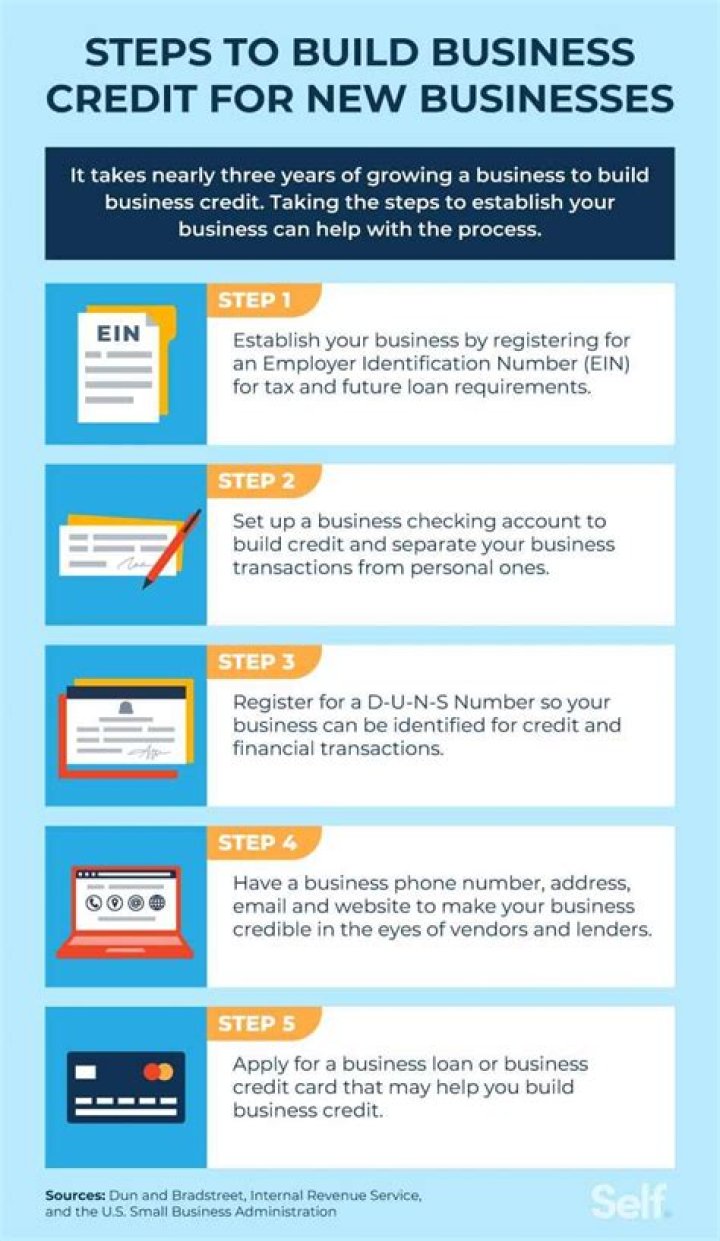
In order to establish a strong credit profile for your business, it is crucial to implement effective strategies that will build your business credit score. Here are six key ways to build business credit:
1. Register Your Business
Registering your business with the appropriate government agencies is the first step towards building business credit. Ensure that your business has a legal name and is officially recognized by the relevant authorities.
2. Obtain a Dun & Bradstreet Number
A Dun & Bradstreet (D&B) number, also known as a DUNS number, is a unique identifier for your business. It is commonly used by lenders and suppliers to assess the creditworthiness of your company. Acquiring a DUNS number from Dun & Bradstreet is essential for establishing business credit.
3. Apply for a Business Credit Card
Applying for a business credit card is an effective way to build credit for your business. Use the card responsibly, make timely payments, and keep your credit utilization low to demonstrate good financial management.
4. Register for Relevant Net 30 Accounts
Registering for net 30 accounts with suppliers allows you to make purchases on credit while paying within 30 days. Ensure that you consistently make payments on time to demonstrate your business’s reliability and creditworthiness.
5. Pay Bills on Time
Paying all your bills on time, including utilities and rent, is crucial for maintaining a positive payment history. Timely payments are a strong indicator of your business’s financial responsibility and contribute to building a good credit score.
6. Minimize Risk by Avoiding Judgments and Liens
Avoiding judgments and liens is essential for minimizing risk and maintaining a strong credit profile. Judgments and liens can have a negative impact on your business credit score and hinder your ability to secure financing or establish favorable relationships.
| Ways to Build Business Credit | Key Benefits |
|---|---|
| Register your business | Establishes legal business identity |
| Obtain a Dun & Bradstreet number | Enhances credibility with creditors and suppliers |
| Apply for a business credit card | Builds credit history and financial management skills |
| Register for relevant net 30 accounts | Allows for credit purchases and payment flexibility |
| Pay bills on time | Establishes a positive payment history |
| Minimize risk by avoiding judgments and liens | Preserves creditworthiness and financial stability |
By following these steps and consistently practicing responsible financial habits, you can build a strong business credit score and open doors to future financing opportunities.
Registering Your Business
Before applying for business credit, it is crucial to register your legal business name with the appropriate government agencies. This registration process may vary depending on your business structure, location, and specific requirements of the government agencies. In some cases, you may need to obtain a federal employer identification number (EIN) from the Internal Revenue Service (IRS) to proceed with the registration.
Registering your business ensures that you have a legitimate and recognized entity in the eyes of the law and enables you to operate legally. It also helps establish your business’s credibility and transparency, which can positively impact your ability to obtain business credit.
The specific steps and requirements for registering your business will depend on your location and the government agencies involved. It is essential to research and familiarize yourself with the registration process specific to your region and business structure.
Choosing a Legal Business Name
One of the initial steps in registering your business is selecting a legal business name. Your business name should be unique, memorable, and accurately represent your brand. Before finalizing your name, it is crucial to conduct a thorough search to ensure that it is not already in use and does not infringe on any trademarks.
Once you have decided on a suitable business name, check with your local government agency or Secretary of State’s office to confirm its availability. They will provide guidance on the next steps to register your business name, which may involve filing the appropriate paperwork and paying any necessary fees.
Government Agencies and Business Structures
Depending on your business structure, you may need to register your business with specific government agencies. Here are a few common examples:
- Sole Proprietorship: Registering your business as a sole proprietorship usually involves filing a DBA (Doing Business As) form with your local government agency. This registration allows you to use a business name instead of your personal name.
- Partnerships: Partnerships typically need to register with the Secretary of State’s office or a similar government agency. The required documents may include a partnership agreement, which outlines the roles and responsibilities of each partner.
- Corporations and Limited Liability Companies (LLCs): Incorporating your business or forming an LLC involves registering with the Secretary of State’s office or another relevant government agency. The process usually requires filing articles of incorporation or articles of organization and paying the necessary fees.
It is essential to consult with legal professionals or business advisors to ensure compliance with the registration requirements for your specific business structure.
Federal Employer Identification Number (EIN)
Obtaining a federal employer identification number (EIN) is often necessary for certain business structures, such as corporations, partnerships, and LLCs. An EIN is a unique identification number assigned by the IRS to identify your business for tax purposes.
To apply for an EIN, visit the official IRS website or contact their helpline for guidance. The application process is typically straightforward and can be completed online or by mail. Once approved, you will receive your EIN, allowing you to fulfill tax obligations and proceed with other aspects of your business registration.
| Key Registration Steps | Requirements |
|---|---|
| Choose a unique legal business name | Ensure it is not already in use and does not infringe on any trademarks |
| Research and identify the specific government agencies to register with | Varies based on business structure and location |
| File the necessary paperwork | Includes forms like DBA, articles of incorporation, or articles of organization |
| Pay any required registration fees | Varies based on jurisdiction and business structure |
| Apply for a federal employer identification number (EIN) | Required for certain business structures |
By completing the registration process and obtaining the necessary legal documentation, you establish the foundation for building your business credit. With your legal business name and structure in place, you can proceed to the next steps of establishing a robust credit profile to access financing options and grow your business.
Applying for a Dun & Bradstreet Number
Dun & Bradstreet is a leading provider of business information and data, and obtaining a DUNS number is an essential step in establishing your business’s creditworthiness. A DUNS number is a unique nine-digit identifier assigned to businesses, making it a crucial form of identification for lenders, federal grant applicants, and other entities.
To apply for a DUNS number, you can visit the Dun & Bradstreet website and fill out the online application form. Provide accurate and up-to-date information about your business, including its legal name, address, and contact details. This information will be used to generate your unique DUNS number, which will be sent to you once the application is processed.
Having a DUNS number offers several benefits. Lenders often require it when assessing a business’s credit profile, as it provides them with valuable insights into your financial history and creditworthiness. Federal grant applicants also typically need a DUNS number to apply for and access government funding opportunities.
Obtaining a DUNS number is a vital step in establishing your business’s presence and credibility in the financial world. It serves as a form of identification that lenders and grant providers use to evaluate your creditworthiness and financial stability.
Additionally, having a DUNS number helps potential business partners, suppliers, and customers verify your business’s legitimacy and reliability. It provides them with a standardized way to collect and assess information about your company, enabling better decision-making when entering into partnerships or transactions.
With your DUNS number in hand, you’ll be equipped to navigate the world of business credit more effectively. It establishes your business as a credible entity and opens doors to various financial opportunities and partnerships.
Benefits of Having a DUNS Number
| Benefits | Description |
|---|---|
| Access to Lenders | A DUNS number allows lenders to assess your creditworthiness and make informed lending decisions. |
| Government Grant Applications | Applying for federal grants often requires a DUNS number, enabling access to funding opportunities. |
| Business Credibility | A DUNS number demonstrates your business’s legitimacy and reliability to potential partners and customers. |
| Credit Monitoring | Having a DUNS number enables credit bureaus to collect and track your business’s credit history. |
| Enhanced Business Relationships | Business partners, suppliers, and customers can use your DUNS number to evaluate your financial stability and make informed decisions. |
Applying for a Business Credit Card
Business credit cards are a valuable tool for building credit and managing expenses. They offer convenient access to funds and a range of benefits tailored specifically for businesses. Applying for a business credit card can help you establish a revolving line of credit and boost your business’s credit score.
To get started, consider the following steps:
- Research different business credit card options and compare their features, rewards programs, and interest rates. Look for cards that align with your business’s spending habits and financial goals.
- Gather the necessary documentation, including your business’s legal name, address, tax identification number, and financial statements. Some credit card issuers may require additional information depending on your business type and size.
- Submit your application online or through the credit card issuer’s designated application process. Be prepared to provide details about your business’s revenue, industry, and years in operation.
- Once approved, carefully review the terms and conditions of your new business credit card. Take note of any fees, interest rates, and repayment terms to minimize potential costs and maximize the benefits.
- Activate your business credit card and start using it for eligible business expenses. Make sure to keep track of your spending and pay your bills on time to establish a positive payment history.
It is recommended to start with a business credit card before opting for prepaid credit cards. Business credit cards provide a revolving line of credit, allowing you to carry a balance and build credit over time. On the other hand, prepaid credit cards require you to load funds onto the card before you can use it, which may not contribute to building your business’s credit score effectively. Additionally, prepaid credit cards often come with higher fees.
By applying for a business credit card, you can take advantage of the convenience and benefits it offers while establishing and improving your business’s creditworthiness. Remember to use your business credit card responsibly, make consistent payments, and minimize fees to maximize its potential for boosting your business’s credit score.
| Benefits of a Business Credit Card: |
|---|
| 1. Access to a revolving line of credit |
| 2. Ability to track and manage business expenses easily |
| 3. Opportunity to earn rewards or cashback on eligible purchases |
| 4. Separation of personal and business expenses |
| 5. Ability to establish and improve your business’s credit score |
Registering for Relevant Net 30 Accounts
Registering for net 30 accounts with your suppliers can be a valuable strategy to manage your business’s cash flow and build credit. Net 30 accounts offer credit terms where you can make purchases and pay within 30 days, giving you some flexibility in managing your expenses.
By taking advantage of net 30 accounts, you can maintain better control over your working capital while ensuring consistent payments to your suppliers. This helps you establish a positive credit history, showing that you are a responsible borrower who pays their debts on time.
When choosing suppliers to register for net 30 accounts, consider those with whom you have a consistent business relationship and frequently purchase goods or services. Suppliers who extend credit terms to you demonstrate their trust in your ability to pay within the agreed-upon timeframe.
Here is an example of how registering for net 30 accounts can help you manage your business’s cash flow:
| Month | Supplier | Invoice Amount | Due Date |
|---|---|---|---|
| January | Supplier A | $500 | February 15 |
| February | Supplier B | $800 | March 20 |
| March | Supplier C | $350 | April 10 |
In this example, by registering for net 30 accounts, you have the flexibility to pay the invoice amounts by the due dates. This allows you to manage your business’s cash flow effectively and ensure consistent payments to suppliers.
It’s important to note that while net 30 accounts can be beneficial for your business, it’s crucial to adhere to the agreed-upon payment terms and make timely payments. Consistently paying your invoices within the specified timeframe demonstrates your commitment to financial responsibility and helps you build a strong credit profile.
Paying Bills on Time
Paying bills on time is crucial for building a positive payment history and improving your business credit score. Consistent on-time payments demonstrate creditworthiness and contribute to a stronger credit profile.
When it comes to paying bills on time, it’s not just your business loans and credit card payments that matter. Utility bills and rent payments also play a significant role in establishing a solid payment history. By consistently paying these bills on time, you demonstrate your commitment to financial responsibility and reliability.
Utility bills, such as electricity, water, and internet services, are important regular expenses for businesses. Late payments on these bills can have a negative impact on your credit score and raise concerns about your financial stability. By paying them on time, you show creditors and lenders that you are diligent in meeting your financial obligations.
Similarly, paying rent on time for your business premises is crucial. Late rent payments can not only affect your credit score but also strain your relationship with your landlord. By consistently paying rent on time, you build trust and maintain a positive business reputation.
Remember, your payment history is a reflection of your creditworthiness and reliability as a borrower. By prioritizing on-time payments for all your financial commitments, you demonstrate your ability to meet your obligations and manage your business’s finances responsibly.
To ensure timely bill payments, consider setting up reminders or automated payments through your bank or financial management software. By taking advantage of these tools, you can reduce the risk of missing due dates and maintain a consistent track record of on-time payments.
“Paying your bills on time is an essential aspect of building a positive payment history and establishing a strong credit profile for your business.” – [Author Name]
Benefits of paying bills on time:
- Builds a positive payment history
- Improves your business credit score
- Enhances creditworthiness and reliability
- Maintains good relationships with creditors and lenders
- Demonstrates financial responsibility and stability
Tips for ensuring timely bill payments:
- Set up reminders or automated payments
- Create a budget to manage cash flow effectively
- Monitor due dates and payment schedules
- Communicate with suppliers or landlords in case of financial difficulties
- Review and reconcile invoices promptly
By paying bills on time, you establish a positive track record of financial responsibility and improve your business’s creditworthiness. Consistent on-time payments contribute to the overall strength of your credit profile, opening doors to better financing opportunities and future business growth.
| Payment History | Credit Score | Utility Bills | Rent | Consistent On-Time Payments |
|---|---|---|---|---|
| Displays a track record of timely payments | Affects your business credit score | Include electricity, water, and internet bills | Paying rent on time builds trust with landlords | Demonstrate reliability and financial responsibility |
Minimizing Risk by Avoiding Judgments and Liens
Avoiding judgments and liens is crucial for maintaining a positive credit profile and creditworthiness. These negative marks can have a significant impact on your business’s ability to increase its credit score, secure financing, and establish favorable business relationships.
When a judgment is entered against your business, it means a court has determined that you owe a debt and must repay it. This can lead to a negative impact on your creditworthiness and make it difficult for you to obtain financing in the future.
Likewise, a lien is a legal claim placed on your business’s assets as collateral for a debt. Having a lien on your property can seriously hinder your business’s ability to access credit and may even result in the seizure of assets.
To maintain a positive credit profile:
- Avoid defaulting on loans: Make timely payments on all loans and credit obligations to prevent judgments from being issued.
- Monitor your credit: Regularly review your credit reports to identify any outstanding judgments or liens. Address these issues promptly to minimize their negative impact.
- Resolve disputes: If you believe a judgment or lien has been filed in error, take steps to resolve the dispute with the relevant party and have the mark removed from your credit profile.
- Seek legal advice: If faced with a judgment or lien, consult with a qualified attorney to understand your rights and explore possible solutions.
“Avoiding judgments and liens is essential for maintaining financial stability and preserving your business’s creditworthiness. Take proactive measures to protect your business’s assets and maintain a positive credit profile.”
Importance of Good Business Credit
Establishing and maintaining good business credit is crucial for the long-term financial success of a company. Good business credit offers several benefits that can help businesses thrive and grow.
Access to Funds
Having good business credit allows companies to access funds more easily. With a strong credit profile, businesses have a higher chance of securing loans, lines of credit, and other forms of financing. This can provide the necessary capital to expand operations, invest in new equipment, or seize growth opportunities.
Protect Ownership
Strong business credit can also help protect the ownership of a company. By relying on business credit rather than personal credit for financing, business owners can separate their personal assets from their business liabilities. This shields personal assets, such as homes and savings, from potential business risks or financial obligations.
Protect Personal Credit
Building good business credit allows business owners to protect their personal credit. When businesses rely solely on personal credit for financing, their personal credit scores can be negatively impacted by any business-related financial issues. However, by establishing separate business credit, owners can safeguard their personal creditworthiness and maintain a healthy personal financial profile.
Build Future Business Credit
Establishing good business credit is an investment in the future. A solid credit history paves the way for future borrowing opportunities, allowing businesses to access financing at favorable terms. By consistently managing and building business credit, companies can position themselves for continued growth and success.
Building and maintaining good business credit is not a one-time effort, but an ongoing commitment. It requires responsible financial management, timely bill payments, and proactive credit monitoring. By prioritizing the establishment and improvement of business credit, companies can reap the rewards of enhanced financial opportunities and a more secure future.
How Business Structure Impacts Credit
When it comes to establishing business credit, the type of business structure you choose can have a significant impact on your credit obligations and liability. Whether you opt for a sole proprietorship, limited partnership, limited liability partnership, limited liability company, or corporation, each structure carries distinct implications for liability protection and ownership that can affect your business credit.
Sole proprietorships, for example, offer minimal liability protection, with the owner being personally responsible for the business’s debts. In contrast, limited partnerships and limited liability partnerships provide a degree of liability protection to the partners, limiting their personal liability in the event of financial obligations. Limited liability companies (LLCs) combine the benefits of both partnerships and corporations, shielding the owners’ personal assets while providing flexible management options. Corporations, on the other hand, offer the highest level of liability protection by separating the entity’s legal and financial responsibilities from those of the shareholders.
Choosing the right business structure is crucial for safeguarding your personal assets and ensuring appropriate liability protection. It can also impact your business creditworthiness. Lenders and credit bureaus take into consideration the legal structure of your business when assessing credit risk. Therefore, understanding the implications of each option on your business credit is essential for making an informed decision.
In conclusion, your choice of business structure impacts not only your liability protection and ownership but also your ability to establish and maintain business credit. It is advisable to consult with legal and financial professionals to determine the most suitable structure for your specific circumstances and long-term credit goals.
FAQ
How do I establish business credit in 2024?
To establish business credit in 2024, you can follow these six steps: register your business, obtain a Dun & Bradstreet number, apply for a business credit card, register for relevant net 30 accounts, pay all bills on time, and minimize risk by avoiding judgments and liens.
What is business credit and why is it important?
Business credit refers to a company’s financial reputation and track record in terms of borrowing and repayment. It is important because it allows businesses to access funds, protect ownership, and build a strong credit history for future borrowing opportunities.
How does business credit work?
Business credit works by evaluating a company’s creditworthiness through credit bureaus such as Dun & Bradstreet, Equifax, and Experian. These bureaus analyze factors like a company’s credit profile, credit score, and payment history to measure the risk of lending to the business.
How can I build business credit?
Building business credit involves registering your business, obtaining a Dun & Bradstreet number, applying for a business credit card, registering for relevant net 30 accounts, paying all bills on time, and minimizing risk by avoiding judgments and liens.
How do I register my business?
To register your business, you need to follow the appropriate process based on your business structure, location, and may require obtaining a federal employer identification number (EIN) from the IRS.
What is a Dun & Bradstreet number?
A Dun & Bradstreet number, also known as a DUNS number, is a unique nine-digit number used to identify a business. Lenders and federal grant applicants often require this number to assess a company’s credit profile and financial health.
Should I apply for a business credit card?
Applying for a business credit card is a valuable tool for building credit. It establishes a revolving line of credit and boosts your business’s credit score. Starting with a business credit card before opting for prepaid credit cards can help minimize fees.
How can I register for net 30 accounts?
You can register for net 30 accounts with relevant suppliers, allowing you to make purchases on credit, with payments due within 30 days. Consistently paying off these accounts on time helps build your business credit score.
Why is paying bills on time important for business credit?
Paying bills, including utility bills and rent, on time is crucial for building a positive payment history and improving your business credit score. Consistent on-time payments demonstrate creditworthiness and contribute to a stronger credit profile.
How can I minimize risk and maintain a positive credit profile?
Minimizing risk involves avoiding judgments and liens. Negative marks like judgments and liens can significantly impact your ability to increase your business credit score, secure financing, and establish favorable business relationships.
Why is good business credit important?
Good business credit offers several benefits, including access to funds, protection of ownership, preservation of personal credit, and the ability to build credit for future borrowing opportunities. It is crucial for the long-term financial success of a business.
How does business structure impact credit?
The type of business structure chosen impacts credit obligations and liability. Each business structure, such as sole proprietorship, limited partnership, limited liability partnership, limited liability company, and corporation, has varying levels of liability protection and ownership implications that can affect business credit.