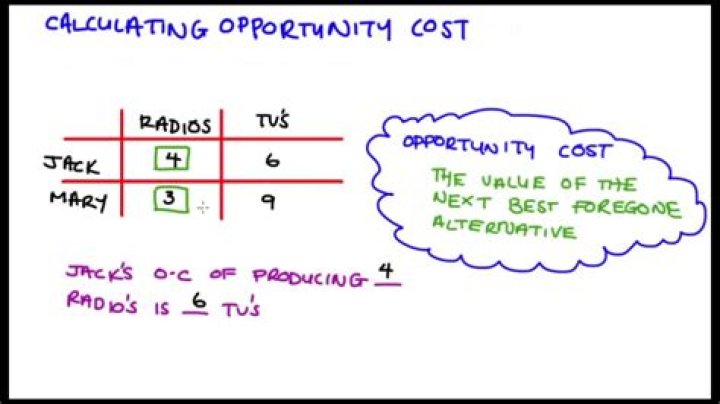
How to Compute for Opportunity Cost?

Rachel Hickman
Published Jan 14, 2026
Opportunity cost refers to the value of the trade-off that you didn’t choose when making a decision. While it’s common to focus on the potential gains of a particular choice, understanding opportunity cost can help you make better decisions in the long run. So, how do you compute for opportunity cost? We’ll explore the answer to that question in this section.
Understanding how to calculate opportunity cost is crucial for making smart financial choices, especially when it comes to investments, purchasing decisions, and career paths. To calculate it, you need to use a specific formula that takes several factors into account. Let’s dive into the opportunity cost formula and how it works.
Key Takeaways:
- Opportunity cost refers to the value of the trade-off that you didn’t choose when making a decision.
- Understanding how to calculate opportunity cost is crucial for making smart financial choices.
- The opportunity cost formula takes several factors into account.
- Opportunity cost is important for evaluating different options and making informed decisions.
- The calculation of opportunity cost can be simplified using an opportunity cost calculator.
Understanding Opportunity Cost
Opportunity cost is the value of the alternative option that you have to sacrifice while making a decision. In simpler terms, it is what you could have gained by choosing another option. Understanding opportunity cost is an essential concept that helps you evaluate the trade-offs involved in various choices.
Opportunity cost is not always monetary and can include intangible benefits like time or relationships. By considering opportunity cost, you can make more informed decisions and avoid regrets in the future.
Ignoring opportunity cost can lead to missed opportunities and poor decision-making. For example, if you decide to invest in a high-cost condo without considering the opportunity cost of investing in stocks, you may miss out on significant returns.
That’s why it’s crucial to consider opportunity cost in decision-making, as it enables you to weigh the pros and cons of each option and choose the best one for you.
The Importance of Opportunity Cost
Opportunity cost is an essential metric for evaluating different options and making informed decisions. By understanding and considering opportunity cost, you can:
- Make better use of your resources, including time and money
- Minimize losses and avoid missed opportunities
- Optimize results and achieve long-term success in personal and business decisions
Incorporating opportunity cost into your decision-making process can help you identify the best path forward and avoid making decisions that may come with regret.
Opportunity Cost Formula
Calculating opportunity cost is essential for making sound financial decisions. By using the opportunity cost formula, you can evaluate different options and choose the best course of action. The formula involves comparing the benefits and costs of each choice and determining the opportunity cost of the decision.
The Opportunity Cost Formula:
Opportunity Cost = Return of the Best Foregone Alternative – Return of the Chosen Option
The formula consists of two main components: the return of the best foregone alternative and the return of the chosen option. The return of the best foregone alternative is what you would have gained if you had chosen the alternative over the current option. The return of the chosen option is what you actually gain from choosing that option. By subtracting the return of the chosen option from the return of the best foregone alternative, you can determine the opportunity cost of your decision.
Let’s take a practical example. Say you’re considering investing in two different stocks. Stock A has an estimated return of 8%, while stock B has an estimated return of 10%. However, stock A is less risky than stock B. If you choose to invest in stock A, the opportunity cost is 2%. This means that by choosing stock A, you’re giving up the opportunity to earn an additional 2% return on stock B.
Using the opportunity cost formula can help you make informed financial decisions and avoid potential regrets. By evaluating the trade-offs involved in different choices, you can choose the option that offers the highest return while minimizing risk.
Examples of Opportunity Cost
Now that we understand the concept of opportunity cost, it’s time to explore some practical examples to illustrate its importance in decision-making. By examining different scenarios, we can gain a deeper understanding of how opportunity cost impacts our choices. Here are some examples of opportunity cost analysis:
- Career Paths: Suppose you have been offered two different job opportunities. Job A pays $50,000 per year, while Job B pays $40,000 per year. Job A requires you to work longer hours and has fewer benefits, while Job B has a more flexible schedule and offers good benefits. If you choose Job A, your opportunity cost is $10,000 per year in lost wages plus the value of the benefits that Job B offers.
- Investment Opportunities: You have saved $10,000 and want to decide whether to invest in an index fund or buy a rental property. The index fund has an average annual return of 7%, while the rental property has an average annual return of 5%. If you choose the index fund, your opportunity cost is the potential profits you could have made from the rental property.
- Purchasing Options: Suppose you want to buy a new car. You have two options: a brand-new car for $30,000, or a used car in good condition for $20,000. If you buy the new car, your opportunity cost is the $10,000 price difference between the two cars.
These examples illustrate the importance of opportunity cost analysis in various situations. By considering the trade-offs involved in different choices, we can make informed decisions that align with our financial goals.
Importance of Opportunity Cost Analysis
Opportunity cost analysis is a vital aspect of decision-making for both personal and professional objectives. By considering opportunity cost, you can evaluate the potential gains and losses associated with each choice while also considering the opportunity cost of each option. This analysis allows you to make informed decisions that align with your long-term goals.
However, understanding opportunity cost analysis requires a deep understanding of the concept of opportunity cost itself. Opportunity cost is the value of the most desirable alternative forgone in a decision, and it must be considered before making any financial or investment decision.
To put the importance of opportunity cost analysis into perspective, let’s consider a hypothetical scenario: You are contemplating investing in one of two stocks. Stock A has the potential for a high return but requires a hefty investment, whereas Stock B has a modest return but requires minimal investment. Without conducting an opportunity cost analysis, you may be tempted to invest in Stock A due to its potential for a higher return. However, after considering the opportunity cost of each decision, you may realize that the investment in Stock B is a better option. Opportunity cost analysis equips you to make the best decision by considering all important factors, ensuring you make informed choices.
Benefits of considering Opportunity Cost Analysis
- Better decision-making: Opportunity cost analysis helps in making informed decisions that are more profitable in the long run.
- Reduced risk: Considering opportunity cost reduces the risks associated with investment decisions.
- Growth potential: Opportunity cost analysis encourages you to think critically, weigh options carefully, and make long-term decisions that benefit you.
- Aligned priorities: Opportunity cost analysis promotes congruence between your goals and your investment decisions. It enables you to make decisions that align with your long-term objectives.
Opportunity cost analysis is a discipline that factors into virtually every financial decision you make. It is imperative to understand opportunity cost intimately to ensure you make informed decisions that move you closer to your financial goals.
Calculating Opportunity Cost
Now that you understand the concept and importance of opportunity cost, let’s walk through the process of calculating it step by step. The formula for opportunity cost calculation is:
Opportunity Cost = Return of Best foregone alternative – Return of chosen option
The key factors to consider when calculating opportunity cost include:
- The value of the best foregone alternative
- The value of the chosen option
For example, let’s say you have $10,000 to invest. You’re considering investing in Company A and Company B. Company A is expected to give you a 15% return on your investment, while Company B is expected to give you a 10% return. After careful consideration, you choose to invest in Company A. The opportunity cost of this decision is:
| Option | Value |
|---|---|
| Company A | $1,500 |
| Company B | $1,000 |
Opportunity Cost = $1,000 – $1,500 =-$500
This negative opportunity cost indicates that you have given up additional returns by investing in Company A instead of Company B.
Calculating opportunity cost can be a complex process, but it’s a valuable tool for making informed financial decisions. By considering the opportunity cost of different options, you can avoid costly mistakes and maximize your returns.
Opportunity Cost Calculator
If you’re looking for a straightforward way to calculate the opportunity cost of different choices, an opportunity cost calculator is an excellent tool to have in your arsenal.
By inputting the relevant data, such as the value of the best alternative and the value of the chosen option, an opportunity cost calculator can quickly do the computation for you. This tool can significantly simplify the computation process and save you time.
Besides simplifying the computation, another advantage of using an opportunity cost calculator is that it can help you analyze multiple scenarios easily. By comparing the opportunity costs of various options, you can make a more informed decision based on the available data.
Keep in mind, however, that an opportunity cost calculator is only a tool, and it should not be the sole basis for making decisions. Always consider other factors, such as your goals, preferences, and risk tolerance, in conjunction with the calculated opportunity costs.
Using an opportunity cost calculator is an effective way to streamline the calculation process and make smarter financial decisions.
Tips for Analyzing Opportunity Cost
To analyze opportunity cost effectively, you need to consider various factors that impact your decision-making. Here are some tips and insights to help you navigate complex situations:
1. Define the Alternatives
Start by defining the choices you have and their potential outcomes. You cannot calculate opportunity cost without knowing what other options are on the table.
2. Evaluate Outcomes
Consider the potential outcomes of each option and their associated risks. Evaluate the probabilities of these outcomes occurring, and weigh their potential benefits and drawbacks.
3. Consider Timeframes
Opportunity cost calculation rests on the idea that choosing one option over another sacrifices the potential benefits of the alternative. Consider how long the benefits of each option will last and estimate their future value.
4. Calculate the Costs
Determine the costs associated with each option, including direct and indirect expenses and any potential risks. Calculate the cost of each alternative, including the opportunity cost.
5. Review and Juxtapose the Results
Review the results of your analysis and compare the outcomes of each alternative. Choose the option with the lowest opportunity cost and the highest potential benefits.
“Opportunity cost analysis can help you make better choices and avoid financial pitfalls. By considering the potential benefits and drawbacks of each alternative, you can make informed decisions that align with your long-term goals and priorities”
By following these tips and incorporating an opportunity cost perspective when making decisions, you can achieve financial success and accomplish your objectives.
Mastering Decision-Making with Opportunity Cost
By now, you have a solid understanding of how to compute for opportunity cost and the importance of conducting opportunity cost analysis. Congratulations on taking the first step towards making smarter financial decisions!
Remember, incorporating opportunity cost into your decision-making process takes practice. However, with the tools and tips provided in this article, you can approach decision-making in a more strategic and informed manner.
Whether you’re considering a major investment, weighing career options, or deciding between different purchasing options, opportunity cost analysis can guide you towards the best choice. By looking beyond the immediate costs and benefits of each option, you can gain valuable insights into the long-term impacts of your decisions.
We hope this article has been helpful in equipping you with the knowledge and skills to master decision-making with opportunity cost. Remember to utilize the opportunity cost formula, examples, calculator, and tips to guide your analysis. By doing so, you can make informed decisions and achieve your financial goals.
Thank you for reading, and happy decision-making!
FAQ
How do I compute for opportunity cost?
To compute for opportunity cost, you can use the following formula: Opportunity Cost = Return of Best Foregone Alternative – Return of Chosen Option. By subtracting the return of the best alternative from the return of the chosen option, you can determine the opportunity cost associated with your decision.
What is opportunity cost?
Opportunity cost refers to the value of the next best alternative that you have to forgo when making a decision. It represents the potential benefits or profit that you miss out on when choosing one option over another. Considering opportunity cost helps you evaluate the trade-offs and make more informed choices.
Why is understanding opportunity cost important?
Understanding opportunity cost is essential because it helps you assess the true cost of your decisions. It allows you to see the potential gains you give up when choosing one option over another. By considering opportunity cost, you can make wiser financial choices and maximize your resources effectively.
Can you provide examples of opportunity cost?
Yes, here are a few examples of opportunity cost: 1) Choosing to invest in stocks instead of real estate means giving up potential property appreciation. 2) Pursuing a higher-paying job may require additional education, resulting in the cost of tuition and foregoing employment income. 3) Opting for a vacation can mean forgoing savings that could have been invested for the future. These examples illustrate how different choices involve trade-offs and opportunity costs.
Why is opportunity cost analysis important?
Opportunity cost analysis is important because it allows you to evaluate the potential benefits and drawbacks of different options. By assessing the opportunity costs, you can make more informed decisions, identify the best alternatives, and avoid potential regrets. It helps you consider the long-term consequences of your choices and optimize your resources.
What is the opportunity cost formula?
The opportunity cost formula is: Opportunity Cost = Return of Best Foregone Alternative – Return of Chosen Option. This formula helps quantify the value of the foregone opportunity and provides a concrete measure of the opportunity cost associated with a particular decision.
Is there an opportunity cost calculator available?
Yes, there are opportunity cost calculators available online. These calculators streamline the computation process by providing a user-friendly interface where you can input relevant values, such as returns and costs. Using an opportunity cost calculator can save time and ensure accurate calculations.
How can I effectively analyze opportunity cost?
To effectively analyze opportunity cost, consider the following tips: 1) Identify all possible alternatives and their associated returns. 2) Evaluate the long-term implications and potential gains of each option. 3) Compare the opportunity costs of different choices to determine the most favorable decision. 4) Consider both financial and non-financial factors when assessing opportunity costs. These tips will help you make more informed and strategic decisions.
How can understanding opportunity cost improve decision-making?
Understanding opportunity cost can significantly improve decision-making by providing a comprehensive perspective. It encourages you to assess the potential gains and losses of each option, helping you prioritize choices that offer the highest return. By factoring in opportunity cost, you can make more rational and calculated decisions, leading to better outcomes in the long run.