How Much Does It Cost to Mail a Letter?

Emily Baldwin
Published Jan 14, 2026
Mailing a letter is a simple and convenient way to communicate, and understanding the cost of postage is essential. Whether you’re sending a personal letter, a business document, or greeting cards, knowing the mailing expense can help you plan and budget accordingly.
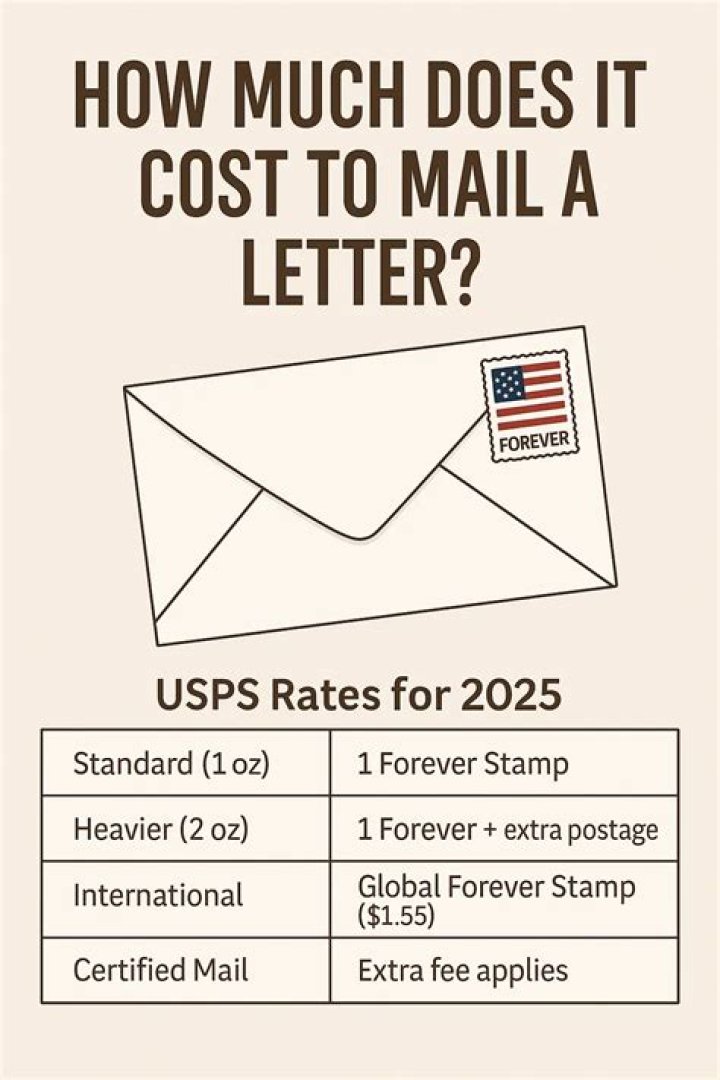
When it comes to mailing a letter within the United States, the cost varies depending on several factors. The current price for a USPS First-Class Mail Forever stamp, which can be used for a 1 oz letter, is $0.66. These Forever stamps provide flexibility as their value never expires, even if postage rates increase in the future.
However, if you’re mailing packages or large envelopes, the cost will depend on the weight and size of your mailpiece. To determine the exact cost, you can use the USPS Price Calculator tool, which takes into account the specifications of your mailpiece.
Key Takeaways:
- The current cost of mailing a 1 oz letter with USPS First-Class Mail is $0.66 using a Forever stamp.
- Prices for mailing packages and large envelopes vary based on weight and size.
- Use the USPS Price Calculator tool to determine the exact cost of your mailpiece.
- Forever stamps provide flexibility as their value remains the same even if postage rates increase in the future.
- Understanding the cost of mailing a letter can help you plan and budget effectively.
First-Class Mail Prices for Letters and Postcards
When it comes to sending letters and postcards through the mail, understanding the pricing structure can help you plan and budget effectively. The cost of mailing a letter or postcard with USPS’s First-Class Mail service is determined by the shape and weight of the mailpiece. Let’s dive into the details:
Letter Postage Rate:
For standard-sized rectangular envelopes, the letter postage rate starts at $0.66. This applies to letters weighing up to 1 ounce. If your letter exceeds 1 ounce, additional postage will be required.
Postcard Postage Rate:
When it comes to sending postcards, the postage rate starts at $0.51. This applies to standard-sized postcards that meet USPS’s specifications.
If your envelope or postcard has a square shape, is oversized, or has an unusual shape, the postage rate may be higher. Square envelopes, for example, start at $1.06. It’s important to keep in mind the dimensions and shape when calculating postage costs.
Larger envelopes, also known as flats, have a starting price of $1.35. These envelopes are suitable for items that don’t fit the standard letter size requirements but can still be sent as a flat.
The maximum weight for First-Class Mail letters is 3.5 ounces. If your mailpiece exceeds this weight limit, it may be classified as a package or require a different mail service.
| Mailpiece Shape | Price |
|---|---|
| Standard Rectangular Envelope | $0.66 (up to 1 oz) |
| Standard Postcard | $0.51 |
| Square, Oversized, or Unusually Shaped Envelope | Starting at $1.06 |
| Large Envelope (Flat) | Starting at $1.35 |
As you can see, USPS’s First-Class Mail offers competitive pricing for sending letters and postcards. It’s important to familiarize yourself with the specific requirements and dimensions to accurately calculate the cost of your mailpiece. For a complete overview of pricing based on weight and shape, refer to the USPS Price Calculator tool.
Additional Fees and Restrictions for Mailing Letters
When it comes to mailing letters, there are a few additional fees and restrictions to keep in mind. Understanding these factors can help ensure a smooth and hassle-free mailing process. Let’s take a closer look at some of the key considerations:
Nonmachinable Mail:
Nonmachinable mail refers to items that do not meet the standard requirements for automated processing. This includes square or vertical envelopes, as well as envelopes with clasps or buttons. Sending nonmachinable mail may incur additional charges due to the manual handling required. These items need to be hand-cancelled, creating a more time-consuming process for postal workers. As a result, a nonmachinable surcharge may be applied to cover the added costs.
Oversized Envelopes:
Envelopes that exceed the maximum length, height, or thickness for First-Class Mail letters are classified as large envelopes, also known as flats. Large envelopes come with their own set of rules and charges. The pricing for sending large envelopes starts at $1.35 and increases based on weight and destination. It’s important to be aware of the size restrictions to avoid unexpected costs.
Letter Size Restrictions:
For standard First-Class Mail letters, there are specific size limitations that must be followed. The maximum length is 11.5 inches, and the maximum height is 6.125 inches. Additionally, the letter must not exceed 1/4 inch in thickness. It’s essential to adhere to these size restrictions to avoid being charged as a large envelope or package.
Restrictions for Mailing Irregular Shapes:
When it comes to irregularly shaped items, such as tubes or bulky objects, they are usually not eligible for mailing as First-Class Mail letters. These items are considered packages and must be sent through USPS Ground Advantage service. It’s important to check with USPS for specific guidelines and pricing based on the shape, weight, and destination of your mailpiece.
To summarize, nonmachinable mail, oversized envelopes, letter size restrictions, and restrictions for mailing irregular shapes are important considerations when sending letters. Being aware of these factors can help you determine the appropriate postage and packaging for your mailpiece, ensuring a smooth journey from sender to recipient.
Price Increase and Future Outlook
The U.S. Postal Service is constantly evaluating postage rates to ensure they reflect the current economic climate and maintain the financial stability of the organization. The most recent adjustment took place in January 2023, resulting in a price increase for First-Class Mail Forever stamps, which now cost 63 cents each. This adjustment was necessary to cover operating expenses and address long-term financial challenges.
The Postal Service anticipates future postage rate increases to align with rising costs and evolving industry demands. While it is natural for customers to be concerned about the impact of these increases on the cost of mailing letters, it’s important to note that the USPS strives to keep its services competitive compared to other countries’ postal systems.
Current and Projected Postage Rates
| Service | Current Rate | Projected Future Rate |
|---|---|---|
| First-Class Mail Forever Stamp (1 oz) | $0.63 | TBD |
| First-Class Mail Letters (additional ounces) | $0.20 | TBD |
| First-Class Mail International (1 oz) | $1.20 | TBD |
Please note that the projected future rates are not available at this time. It is essential to stay informed about any upcoming changes by visiting the official USPS website or consulting with your local post office.
The USPS remains committed to providing affordable and reliable postal services despite the necessary adjustments in postage rates. This commitment ensures that individuals and businesses can continue to rely on the USPS for their mailing needs.
Forever Stamps and Their Value
Forever stamps, introduced in 2007, provide a convenient solution for mailing letters without worrying about future price increases. The value of a Forever stamp remains the same even if the postage rate goes up in the future, making them a reliable and cost-effective option for mailing. The first Forever stamp was priced at 41 cents, and over the years, it has gradually increased to keep pace with inflation and rising postal costs.
Currently, a Forever stamp holds a value of 66 cents, allowing you to mail a 1 oz letter without any additional postage. Whether the postage rate goes up or down, your Forever stamp will always be sufficient to mail a letter within the specified weight limits. This provides both convenience and peace of mind, knowing that you won’t need to buy additional stamps due to changing postal rates.
Using Forever stamps for mailing letters is straightforward. Simply affix the appropriate number of Forever stamps to your envelope based on the weight of the letter. Each Forever stamp is valid for a 1 oz letter, but if your letter exceeds this weight limit, additional postage will be required.
Benefits of Forever Stamps:
- Convenience: Forever stamps eliminate the need to constantly check for and purchase updated postage rates.
- Flexibility: Regardless of future rate changes, your Forever stamps will retain their value.
- Assured Delivery: Properly affixed Forever stamps ensure your letter will be delivered regardless of any subsequent price adjustments.
Keep a stock of Forever stamps on hand to simplify your mailing process and avoid the hassle of calculating postage every time you send a letter. With their enduring value, Forever stamps are a practical choice for both occasional and frequent mailers.
With Forever stamps, you can confidently send your letters knowing that the postage will always be sufficient, regardless of any future changes in postal rates.
Postage Rates for Different Types of Mail
When it comes to mailing items, the USPS offers specific postage rates for various types of mail, including postcards, metered letters, and international mail.
Let’s explore the postage rates for each type of mail:
| Type of Mail | Postage Rate |
|---|---|
| Domestic Postcards | Starting at 48 cents* |
| International Postcards | Starting at $1.45* |
| Metered Letters | Starting at 60 cents** |
| International Letters | $1.45* |
*Postage rates may vary based on factors such as size, weight, and destination.
**Metered letters refer to letters processed by postage meters.
For domestic postcards, the postage rate starts at 48 cents. If you’re sending postcards internationally, the starting rate is $1.45. It’s important to note that these rates may differ based on specific circumstances.
Metered letters, which are letters processed by postage meters, have a postage rate that starts at 60 cents. This option provides convenience for businesses and individuals who frequently send letters.
When it comes to international mail, the postage rate for letters is $1.45. This allows you to send letters to recipients located outside of the United States.
It’s worth noting that these are just a few examples of the different types of mail and their corresponding postage rates. The USPS offers a range of services to accommodate various mailing needs.
Understanding the postage rates for different types of mail can help you make informed decisions when sending items through the USPS.
Stay tuned to learn more about changes in postal rates and the history of Forever stamps in the upcoming sections.
Changes in Postal Rates and Reasons
Postal rates are subject to adjustments by the United States Postal Service (USPS) to account for inflation and changes in operating expenses. These adjustments play a crucial role in maintaining the financial stability of USPS, which is essential for the uninterrupted provision of affordable and reliable mail services.
USPS adopts a proactive approach to ensure the sustainability of the postal system. As part of its Delivering for America 10-year plan, USPS implements rate adjustments to generate the necessary revenue to support its operations.
These adjustments are crucial for USPS to address the increasing costs associated with postal operations and meet evolving challenges in the industry. By regularly reviewing and updating postal rates, USPS strives to strike a balance between providing affordable services to customers while also maintaining its financial stability.
Through these rate adjustments, USPS aims to adhere to its mission of providing the American public with prompt, reliable, and efficient mail services. The revenue generated from the rate adjustments becomes an essential component of the financial foundation needed to sustain the postal system amidst a changing landscape.
The USPS rate adjustments help ensure that individuals, businesses, and organizations can continue to rely on USPS for their mailing needs, supporting the wider economy and enabling communication across the nation.
History and Evolution of Forever Stamps
Forever stamps have a fascinating history that dates back to their introduction in April 2007. These stamps were designed to provide a convenient and cost-effective solution for mailing letters, regardless of future price increases in postage rates.
When Forever stamps were first introduced, they had a value of 41 cents. Over the years, the price of Forever stamps has gradually increased, aligning with inflation and rising postal costs. As of now, the current value of a Forever stamp is 66 cents.
Forever stamps have revolutionized the way we approach mailing letters. With their enduring value, they ensure that the postage is always sufficient, even if postal rates increase in the future. This eliminates the need to purchase additional stamps or pay for extra postage. Whether you’re sending a letter today or in the years to come, Forever stamps remain a reliable and cost-effective choice.
The popularity of Forever stamps can be attributed to the convenience they offer. By eliminating the need to keep up with fluctuating postage rates, Forever stamps simplify the mailing process for individuals and businesses alike. They provide peace of mind, knowing that the value of the stamp will not diminish over time.
Furthermore, Forever stamps have become collectors’ items due to their evolving designs and historical significance. They offer a fascinating glimpse into the cultural trends and historical events of different periods. Collectors often view Forever stamps as a window into the past, commemorating significant moments in our nation’s history.
The evolution of Forever stamps showcases the U.S. Postal Service’s commitment to adapting to the changing needs of its customers. By introducing this innovative stamp option, the USPS has ensured that mailing letters remains convenient, affordable, and accessible to all.
How to Address and Send Mail
When it comes to addressing and sending mail, following proper guidelines ensures that your mail reaches its destination without any issues. Here are some important steps to help you navigate the mailing process:
1. Addressing Your Mail
Clear and accurate addresses are crucial for successful mail delivery. To address your mail:
- Write the sender’s address in the top left corner of the envelope or on the back of the postcard.
- Write the recipient’s address in the center of the envelope or on the front of the postcard.
- Use capital letters and a legible font to ensure clarity.
- Include the recipient’s name, street address, city, state, and ZIP code.
2. Applying Postage
Proper postage ensures that your mail is processed and delivered by the USPS. Here’s how to affix postage:
- Use postage stamps or a postage meter to accurately calculate the required postage.
- Check the current USPS rates and ensure you have the correct amount for your mailpiece.
- Affix the stamp(s) to the top right corner of the envelope or the designated area on the postcard.
3. Sending Your Mail
Once your mail is addressed and postage is applied, you can send it using various methods:
Mailbox Drop-Off: Deposit your properly addressed and stamped mail in your local mailbox.
Blue Collection Boxes: Utilize the blue collection boxes located throughout your neighborhood.
Post Office Lobby Drops: Bring your mail to the nearest Post Office and drop it off at the designated lobby area.
Mailing your letters and postcards through these methods ensures that your mail enters the USPS system for processing and delivery.
| Method | Pros | Cons |
|---|---|---|
| Mailbox Drop-Off | – Convenient and accessible – No need to visit a Post Office | – Limited collection times – Limited to certain mail types and sizes |
| Blue Collection Boxes | – Wide availability – Extended collection times | – Limited posting slots for large envelopes/packages – Possible vandalism or theft |
| Post Office Lobby Drops | – Confirmation of mail acceptance – Assistance from postal staff | – Requires a visit to the Post Office – Limited operating hours |
Tips for Sending Mail and Avoiding Issues
To ensure smooth mail delivery and avoid any potential issues, it’s important to follow these useful tips and guidelines:
- Avoid sending rigid objects in paper envelopes: When mailing letters, especially those with embellished invitations or other rigid items, it’s best to avoid placing them in paper envelopes. Rigid objects can cause damage to sorting machines or get lost in transit. For externally decorated invitations, it is advisable to place them inside another envelope for added protection.
- Consider using tracking services: If you want to track the progress of your mail, you can opt for services like Priority Mail Express or Certified Mail. These options provide you with the ability to track your mail and ensure it reaches its destination safely and on time.
By following these tips, you can enhance the reliability of your mailed items and minimize the chances of any delays or complications.
Size and Weight Requirements for Postcards and Envelopes
When sending postcards or letters through the mail, it’s important to adhere to the size and weight requirements set by USPS. Failure to comply with these guidelines may result in additional charges or delays in delivery. Here are the specific requirements for postcards and envelopes:
Postcards:
- Length: Postcards should be no shorter than 5 inches and no longer than 6 inches.
- Height: The height of a postcard should be between 3.5 inches and 4.25 inches.
- Thickness: The thickness of a standard postcard should fall between 0.007 inches and 0.016 inches.
Envelopes:
- Shape: Envelopes must be rectangular in shape to qualify for letter prices.
- Length: The maximum length allowed for envelopes is 11.5 inches.
- Height: Envelopes cannot exceed a height of 6.125 inches.
- Thickness: The maximum thickness for envelopes is 1/4 of an inch.
By ensuring that your postcards and envelopes meet these size and weight requirements, you can help facilitate smooth and efficient mail delivery. Remember to measure and weigh your mailpieces before sending them to avoid any surprises or issues along the way.
Quote:
“Complying with USPS size and weight requirements for postcards and envelopes is essential to ensure hassle-free mail delivery.” – USPS Guidelines
Add-On Services and Extra Fees
When mailing letters, USPS offers a range of optional add-on services to enhance the security and accountability of your mail. These services include Certified Mail, Registered Mail, and Return Receipt. By utilizing these services, you can have proof of mailing, delivery confirmation, and signature requirements.
When you opt for Certified Mail, your letter will receive a unique tracking number, and you will be provided with a mailing receipt as proof of sending. This service also includes delivery confirmation, allowing you to track your letter’s progress with ease.
Registered Mail is an additional level of security that provides the highest level of protection for valuable or irreplaceable items. It offers secure handling throughout the mailing process and requires signatures at each stage of transit, ensuring that your package is carefully accounted for.
If you want to have a record of delivery for your letter, you can request a Return Receipt. This service provides confirmation, either via email or a physical card, that your letter has been delivered to its intended recipient.
Please note that there are extra charges for these optional add-on services. Additionally, if you have valuable items that you wish to protect during transit, you can also consider adding insurance to your mailing.
FAQ
How much does it cost to mail a letter?
The current price for a First-Class Mail Forever stamp is
FAQ
How much does it cost to mail a letter?
The current price for a First-Class Mail Forever stamp is $0.66 for a 1 oz letter. The stamp will never expire, even if the postage rate increases in the future. Prices for mailing packages and large envelopes vary depending on weight and size. Use the USPS Price Calculator tool to determine the exact cost based on your mailpiece’s specifications.
What are the prices for mailing letters and postcards?
Standard-sized rectangular envelopes and postcards start at $0.66 and $0.51 respectively. Square, oversized, or unusually shaped envelopes may cost more, starting at $1.06. Large envelopes (flats) have a starting price of $1.35. The maximum weight for First-Class Mail letters is 3.5 oz, while large envelopes can weigh up to 13 oz.
Are there additional fees and restrictions for mailing letters?
Yes, nonmachinable mail, such as square or vertical envelopes, envelopes with clasps or buttons, and envelopes that exceed the standard size, may incur additional charges. These nonmachinable items require hand-cancellation and are subject to a nonmachinable surcharge. Envelopes that exceed the maximum length, height, or thickness for First-Class Mail letters are considered large envelopes (flats) and are charged accordingly.
Will there be a price increase in the future?
The U.S. Postal Service periodically adjusts postage rates to account for inflation and maintain financial stability. The most recent price increase occurred in January 2023, with the cost of a First-Class Mail Forever stamp rising to 63 cents. The Postal Service expects to continue raising prices to offset operating expenses and address long-term financial challenges. However, the prices of USPS services remain competitive compared to other countries’ postal services.
What are Forever stamps, and how do they work?
Forever stamps were introduced in 2007 and can be used to mail letters regardless of future price increases. The value of a Forever stamp remains the same even if the postage rate goes up. The first Forever stamp was priced at 41 cents, and it has gradually increased over the years. Currently, a Forever stamp is worth 66 cents for a 1 oz letter. Forever stamps provide convenience and assurance that the postage will always be sufficient.
What are the postage rates for different types of mail?
In addition to letters, the USPS has specific postage rates for postcards, metered letters, and international mail. Postcard postage starts at 48 cents for domestic postcards and $1.45 for international postcards. Metered letters, which are letters processed by postage meters, have a postage rate that starts at 60 cents. International letters also have a postage rate of $1.45. The USPS offers different options for various types of mail.
Why are there changes in postal rates, and what is the purpose?
Postal rates are adjusted to account for inflation and changes in operating expenses. The USPS aims to achieve financial stability as outlined in its Delivering for America 10-year plan. The price adjustments provide necessary revenue to support the USPS’s operations and continue providing affordable services. These rate changes help sustain the postal system amidst increasing costs and evolving challenges in the industry.
How have Forever stamps evolved over the years?
Forever stamps were first introduced in April 2007 at a price of 41 cents. Since then, the price of Forever stamps has gradually increased to keep up with inflation and rising postal costs. The current value of a Forever stamp is 66 cents. Over the years, Forever stamps have provided a convenient and cost-effective solution for mailing letters, as their value remains valid even when postal rates increase.
What are the guidelines for addressing and sending mail?
When addressing mail, it is important to clearly write the sender and recipient addresses in the designated areas on the envelope or postcard. Print addresses neatly in capital letters, using a pen or permanent marker. Follow USPS guidelines for addressing mail to ensure proper delivery. Once the mail is properly addressed and postage is affixed, it can be sent through various methods, including mailbox drop-off, blue collection boxes, or Post Office lobby drops.
Do you have any tips for sending mail and avoiding issues?
To ensure smooth mail delivery, it is recommended to avoid sending rigid objects in paper envelopes, especially embellished invitations. Rigid items can cause damage to sorting machines or get lost in transit. For externally decorated invitations, it is advisable to place them inside another envelope for added protection. Additionally, if tracking is desired, options such as Priority Mail Express or Certified Mail can be utilized to track the progress of the mail.
What are the size and weight requirements for postcards and envelopes?
Postcards must adhere to specific size requirements, typically ranging from 5″ to 6″ in length and 3.5″ to 4.25″ in height. The thickness of a standard postcard should be between 0.007″ and 0.016″. Envelopes, on the other hand, must be rectangular and made of paper to qualify for letter prices. The maximum length for envelopes is 11.5″ and the maximum height is 6.125″. Envelopes cannot exceed 1/4″ in thickness.
What additional services are available for mailing letters?
USPS offers various add-on services for mailing letters, including Certified Mail, Registered Mail, and Return Receipt. These services provide proof of mailing, delivery confirmation, and signature requirements. Additional fees apply for these services. If insurance is desired for valuable items, it can also be added to the mailing. Understanding and utilizing these optional services can enhance the security and accountability of your mail.
.66 for a 1 oz letter. The stamp will never expire, even if the postage rate increases in the future. Prices for mailing packages and large envelopes vary depending on weight and size. Use the USPS Price Calculator tool to determine the exact cost based on your mailpiece’s specifications.
What are the prices for mailing letters and postcards?
Standard-sized rectangular envelopes and postcards start at
FAQ
How much does it cost to mail a letter?
The current price for a First-Class Mail Forever stamp is $0.66 for a 1 oz letter. The stamp will never expire, even if the postage rate increases in the future. Prices for mailing packages and large envelopes vary depending on weight and size. Use the USPS Price Calculator tool to determine the exact cost based on your mailpiece’s specifications.
What are the prices for mailing letters and postcards?
Standard-sized rectangular envelopes and postcards start at $0.66 and $0.51 respectively. Square, oversized, or unusually shaped envelopes may cost more, starting at $1.06. Large envelopes (flats) have a starting price of $1.35. The maximum weight for First-Class Mail letters is 3.5 oz, while large envelopes can weigh up to 13 oz.
Are there additional fees and restrictions for mailing letters?
Yes, nonmachinable mail, such as square or vertical envelopes, envelopes with clasps or buttons, and envelopes that exceed the standard size, may incur additional charges. These nonmachinable items require hand-cancellation and are subject to a nonmachinable surcharge. Envelopes that exceed the maximum length, height, or thickness for First-Class Mail letters are considered large envelopes (flats) and are charged accordingly.
Will there be a price increase in the future?
The U.S. Postal Service periodically adjusts postage rates to account for inflation and maintain financial stability. The most recent price increase occurred in January 2023, with the cost of a First-Class Mail Forever stamp rising to 63 cents. The Postal Service expects to continue raising prices to offset operating expenses and address long-term financial challenges. However, the prices of USPS services remain competitive compared to other countries’ postal services.
What are Forever stamps, and how do they work?
Forever stamps were introduced in 2007 and can be used to mail letters regardless of future price increases. The value of a Forever stamp remains the same even if the postage rate goes up. The first Forever stamp was priced at 41 cents, and it has gradually increased over the years. Currently, a Forever stamp is worth 66 cents for a 1 oz letter. Forever stamps provide convenience and assurance that the postage will always be sufficient.
What are the postage rates for different types of mail?
In addition to letters, the USPS has specific postage rates for postcards, metered letters, and international mail. Postcard postage starts at 48 cents for domestic postcards and $1.45 for international postcards. Metered letters, which are letters processed by postage meters, have a postage rate that starts at 60 cents. International letters also have a postage rate of $1.45. The USPS offers different options for various types of mail.
Why are there changes in postal rates, and what is the purpose?
Postal rates are adjusted to account for inflation and changes in operating expenses. The USPS aims to achieve financial stability as outlined in its Delivering for America 10-year plan. The price adjustments provide necessary revenue to support the USPS’s operations and continue providing affordable services. These rate changes help sustain the postal system amidst increasing costs and evolving challenges in the industry.
How have Forever stamps evolved over the years?
Forever stamps were first introduced in April 2007 at a price of 41 cents. Since then, the price of Forever stamps has gradually increased to keep up with inflation and rising postal costs. The current value of a Forever stamp is 66 cents. Over the years, Forever stamps have provided a convenient and cost-effective solution for mailing letters, as their value remains valid even when postal rates increase.
What are the guidelines for addressing and sending mail?
When addressing mail, it is important to clearly write the sender and recipient addresses in the designated areas on the envelope or postcard. Print addresses neatly in capital letters, using a pen or permanent marker. Follow USPS guidelines for addressing mail to ensure proper delivery. Once the mail is properly addressed and postage is affixed, it can be sent through various methods, including mailbox drop-off, blue collection boxes, or Post Office lobby drops.
Do you have any tips for sending mail and avoiding issues?
To ensure smooth mail delivery, it is recommended to avoid sending rigid objects in paper envelopes, especially embellished invitations. Rigid items can cause damage to sorting machines or get lost in transit. For externally decorated invitations, it is advisable to place them inside another envelope for added protection. Additionally, if tracking is desired, options such as Priority Mail Express or Certified Mail can be utilized to track the progress of the mail.
What are the size and weight requirements for postcards and envelopes?
Postcards must adhere to specific size requirements, typically ranging from 5″ to 6″ in length and 3.5″ to 4.25″ in height. The thickness of a standard postcard should be between 0.007″ and 0.016″. Envelopes, on the other hand, must be rectangular and made of paper to qualify for letter prices. The maximum length for envelopes is 11.5″ and the maximum height is 6.125″. Envelopes cannot exceed 1/4″ in thickness.
What additional services are available for mailing letters?
USPS offers various add-on services for mailing letters, including Certified Mail, Registered Mail, and Return Receipt. These services provide proof of mailing, delivery confirmation, and signature requirements. Additional fees apply for these services. If insurance is desired for valuable items, it can also be added to the mailing. Understanding and utilizing these optional services can enhance the security and accountability of your mail.
.66 and
FAQ
How much does it cost to mail a letter?
The current price for a First-Class Mail Forever stamp is $0.66 for a 1 oz letter. The stamp will never expire, even if the postage rate increases in the future. Prices for mailing packages and large envelopes vary depending on weight and size. Use the USPS Price Calculator tool to determine the exact cost based on your mailpiece’s specifications.
What are the prices for mailing letters and postcards?
Standard-sized rectangular envelopes and postcards start at $0.66 and $0.51 respectively. Square, oversized, or unusually shaped envelopes may cost more, starting at $1.06. Large envelopes (flats) have a starting price of $1.35. The maximum weight for First-Class Mail letters is 3.5 oz, while large envelopes can weigh up to 13 oz.
Are there additional fees and restrictions for mailing letters?
Yes, nonmachinable mail, such as square or vertical envelopes, envelopes with clasps or buttons, and envelopes that exceed the standard size, may incur additional charges. These nonmachinable items require hand-cancellation and are subject to a nonmachinable surcharge. Envelopes that exceed the maximum length, height, or thickness for First-Class Mail letters are considered large envelopes (flats) and are charged accordingly.
Will there be a price increase in the future?
The U.S. Postal Service periodically adjusts postage rates to account for inflation and maintain financial stability. The most recent price increase occurred in January 2023, with the cost of a First-Class Mail Forever stamp rising to 63 cents. The Postal Service expects to continue raising prices to offset operating expenses and address long-term financial challenges. However, the prices of USPS services remain competitive compared to other countries’ postal services.
What are Forever stamps, and how do they work?
Forever stamps were introduced in 2007 and can be used to mail letters regardless of future price increases. The value of a Forever stamp remains the same even if the postage rate goes up. The first Forever stamp was priced at 41 cents, and it has gradually increased over the years. Currently, a Forever stamp is worth 66 cents for a 1 oz letter. Forever stamps provide convenience and assurance that the postage will always be sufficient.
What are the postage rates for different types of mail?
In addition to letters, the USPS has specific postage rates for postcards, metered letters, and international mail. Postcard postage starts at 48 cents for domestic postcards and $1.45 for international postcards. Metered letters, which are letters processed by postage meters, have a postage rate that starts at 60 cents. International letters also have a postage rate of $1.45. The USPS offers different options for various types of mail.
Why are there changes in postal rates, and what is the purpose?
Postal rates are adjusted to account for inflation and changes in operating expenses. The USPS aims to achieve financial stability as outlined in its Delivering for America 10-year plan. The price adjustments provide necessary revenue to support the USPS’s operations and continue providing affordable services. These rate changes help sustain the postal system amidst increasing costs and evolving challenges in the industry.
How have Forever stamps evolved over the years?
Forever stamps were first introduced in April 2007 at a price of 41 cents. Since then, the price of Forever stamps has gradually increased to keep up with inflation and rising postal costs. The current value of a Forever stamp is 66 cents. Over the years, Forever stamps have provided a convenient and cost-effective solution for mailing letters, as their value remains valid even when postal rates increase.
What are the guidelines for addressing and sending mail?
When addressing mail, it is important to clearly write the sender and recipient addresses in the designated areas on the envelope or postcard. Print addresses neatly in capital letters, using a pen or permanent marker. Follow USPS guidelines for addressing mail to ensure proper delivery. Once the mail is properly addressed and postage is affixed, it can be sent through various methods, including mailbox drop-off, blue collection boxes, or Post Office lobby drops.
Do you have any tips for sending mail and avoiding issues?
To ensure smooth mail delivery, it is recommended to avoid sending rigid objects in paper envelopes, especially embellished invitations. Rigid items can cause damage to sorting machines or get lost in transit. For externally decorated invitations, it is advisable to place them inside another envelope for added protection. Additionally, if tracking is desired, options such as Priority Mail Express or Certified Mail can be utilized to track the progress of the mail.
What are the size and weight requirements for postcards and envelopes?
Postcards must adhere to specific size requirements, typically ranging from 5″ to 6″ in length and 3.5″ to 4.25″ in height. The thickness of a standard postcard should be between 0.007″ and 0.016″. Envelopes, on the other hand, must be rectangular and made of paper to qualify for letter prices. The maximum length for envelopes is 11.5″ and the maximum height is 6.125″. Envelopes cannot exceed 1/4″ in thickness.
What additional services are available for mailing letters?
USPS offers various add-on services for mailing letters, including Certified Mail, Registered Mail, and Return Receipt. These services provide proof of mailing, delivery confirmation, and signature requirements. Additional fees apply for these services. If insurance is desired for valuable items, it can also be added to the mailing. Understanding and utilizing these optional services can enhance the security and accountability of your mail.
.51 respectively. Square, oversized, or unusually shaped envelopes may cost more, starting at
FAQ
How much does it cost to mail a letter?
The current price for a First-Class Mail Forever stamp is $0.66 for a 1 oz letter. The stamp will never expire, even if the postage rate increases in the future. Prices for mailing packages and large envelopes vary depending on weight and size. Use the USPS Price Calculator tool to determine the exact cost based on your mailpiece’s specifications.
What are the prices for mailing letters and postcards?
Standard-sized rectangular envelopes and postcards start at $0.66 and $0.51 respectively. Square, oversized, or unusually shaped envelopes may cost more, starting at $1.06. Large envelopes (flats) have a starting price of $1.35. The maximum weight for First-Class Mail letters is 3.5 oz, while large envelopes can weigh up to 13 oz.
Are there additional fees and restrictions for mailing letters?
Yes, nonmachinable mail, such as square or vertical envelopes, envelopes with clasps or buttons, and envelopes that exceed the standard size, may incur additional charges. These nonmachinable items require hand-cancellation and are subject to a nonmachinable surcharge. Envelopes that exceed the maximum length, height, or thickness for First-Class Mail letters are considered large envelopes (flats) and are charged accordingly.
Will there be a price increase in the future?
The U.S. Postal Service periodically adjusts postage rates to account for inflation and maintain financial stability. The most recent price increase occurred in January 2023, with the cost of a First-Class Mail Forever stamp rising to 63 cents. The Postal Service expects to continue raising prices to offset operating expenses and address long-term financial challenges. However, the prices of USPS services remain competitive compared to other countries’ postal services.
What are Forever stamps, and how do they work?
Forever stamps were introduced in 2007 and can be used to mail letters regardless of future price increases. The value of a Forever stamp remains the same even if the postage rate goes up. The first Forever stamp was priced at 41 cents, and it has gradually increased over the years. Currently, a Forever stamp is worth 66 cents for a 1 oz letter. Forever stamps provide convenience and assurance that the postage will always be sufficient.
What are the postage rates for different types of mail?
In addition to letters, the USPS has specific postage rates for postcards, metered letters, and international mail. Postcard postage starts at 48 cents for domestic postcards and $1.45 for international postcards. Metered letters, which are letters processed by postage meters, have a postage rate that starts at 60 cents. International letters also have a postage rate of $1.45. The USPS offers different options for various types of mail.
Why are there changes in postal rates, and what is the purpose?
Postal rates are adjusted to account for inflation and changes in operating expenses. The USPS aims to achieve financial stability as outlined in its Delivering for America 10-year plan. The price adjustments provide necessary revenue to support the USPS’s operations and continue providing affordable services. These rate changes help sustain the postal system amidst increasing costs and evolving challenges in the industry.
How have Forever stamps evolved over the years?
Forever stamps were first introduced in April 2007 at a price of 41 cents. Since then, the price of Forever stamps has gradually increased to keep up with inflation and rising postal costs. The current value of a Forever stamp is 66 cents. Over the years, Forever stamps have provided a convenient and cost-effective solution for mailing letters, as their value remains valid even when postal rates increase.
What are the guidelines for addressing and sending mail?
When addressing mail, it is important to clearly write the sender and recipient addresses in the designated areas on the envelope or postcard. Print addresses neatly in capital letters, using a pen or permanent marker. Follow USPS guidelines for addressing mail to ensure proper delivery. Once the mail is properly addressed and postage is affixed, it can be sent through various methods, including mailbox drop-off, blue collection boxes, or Post Office lobby drops.
Do you have any tips for sending mail and avoiding issues?
To ensure smooth mail delivery, it is recommended to avoid sending rigid objects in paper envelopes, especially embellished invitations. Rigid items can cause damage to sorting machines or get lost in transit. For externally decorated invitations, it is advisable to place them inside another envelope for added protection. Additionally, if tracking is desired, options such as Priority Mail Express or Certified Mail can be utilized to track the progress of the mail.
What are the size and weight requirements for postcards and envelopes?
Postcards must adhere to specific size requirements, typically ranging from 5″ to 6″ in length and 3.5″ to 4.25″ in height. The thickness of a standard postcard should be between 0.007″ and 0.016″. Envelopes, on the other hand, must be rectangular and made of paper to qualify for letter prices. The maximum length for envelopes is 11.5″ and the maximum height is 6.125″. Envelopes cannot exceed 1/4″ in thickness.
What additional services are available for mailing letters?
USPS offers various add-on services for mailing letters, including Certified Mail, Registered Mail, and Return Receipt. These services provide proof of mailing, delivery confirmation, and signature requirements. Additional fees apply for these services. If insurance is desired for valuable items, it can also be added to the mailing. Understanding and utilizing these optional services can enhance the security and accountability of your mail.
.06. Large envelopes (flats) have a starting price of
FAQ
How much does it cost to mail a letter?
The current price for a First-Class Mail Forever stamp is $0.66 for a 1 oz letter. The stamp will never expire, even if the postage rate increases in the future. Prices for mailing packages and large envelopes vary depending on weight and size. Use the USPS Price Calculator tool to determine the exact cost based on your mailpiece’s specifications.
What are the prices for mailing letters and postcards?
Standard-sized rectangular envelopes and postcards start at $0.66 and $0.51 respectively. Square, oversized, or unusually shaped envelopes may cost more, starting at $1.06. Large envelopes (flats) have a starting price of $1.35. The maximum weight for First-Class Mail letters is 3.5 oz, while large envelopes can weigh up to 13 oz.
Are there additional fees and restrictions for mailing letters?
Yes, nonmachinable mail, such as square or vertical envelopes, envelopes with clasps or buttons, and envelopes that exceed the standard size, may incur additional charges. These nonmachinable items require hand-cancellation and are subject to a nonmachinable surcharge. Envelopes that exceed the maximum length, height, or thickness for First-Class Mail letters are considered large envelopes (flats) and are charged accordingly.
Will there be a price increase in the future?
The U.S. Postal Service periodically adjusts postage rates to account for inflation and maintain financial stability. The most recent price increase occurred in January 2023, with the cost of a First-Class Mail Forever stamp rising to 63 cents. The Postal Service expects to continue raising prices to offset operating expenses and address long-term financial challenges. However, the prices of USPS services remain competitive compared to other countries’ postal services.
What are Forever stamps, and how do they work?
Forever stamps were introduced in 2007 and can be used to mail letters regardless of future price increases. The value of a Forever stamp remains the same even if the postage rate goes up. The first Forever stamp was priced at 41 cents, and it has gradually increased over the years. Currently, a Forever stamp is worth 66 cents for a 1 oz letter. Forever stamps provide convenience and assurance that the postage will always be sufficient.
What are the postage rates for different types of mail?
In addition to letters, the USPS has specific postage rates for postcards, metered letters, and international mail. Postcard postage starts at 48 cents for domestic postcards and $1.45 for international postcards. Metered letters, which are letters processed by postage meters, have a postage rate that starts at 60 cents. International letters also have a postage rate of $1.45. The USPS offers different options for various types of mail.
Why are there changes in postal rates, and what is the purpose?
Postal rates are adjusted to account for inflation and changes in operating expenses. The USPS aims to achieve financial stability as outlined in its Delivering for America 10-year plan. The price adjustments provide necessary revenue to support the USPS’s operations and continue providing affordable services. These rate changes help sustain the postal system amidst increasing costs and evolving challenges in the industry.
How have Forever stamps evolved over the years?
Forever stamps were first introduced in April 2007 at a price of 41 cents. Since then, the price of Forever stamps has gradually increased to keep up with inflation and rising postal costs. The current value of a Forever stamp is 66 cents. Over the years, Forever stamps have provided a convenient and cost-effective solution for mailing letters, as their value remains valid even when postal rates increase.
What are the guidelines for addressing and sending mail?
When addressing mail, it is important to clearly write the sender and recipient addresses in the designated areas on the envelope or postcard. Print addresses neatly in capital letters, using a pen or permanent marker. Follow USPS guidelines for addressing mail to ensure proper delivery. Once the mail is properly addressed and postage is affixed, it can be sent through various methods, including mailbox drop-off, blue collection boxes, or Post Office lobby drops.
Do you have any tips for sending mail and avoiding issues?
To ensure smooth mail delivery, it is recommended to avoid sending rigid objects in paper envelopes, especially embellished invitations. Rigid items can cause damage to sorting machines or get lost in transit. For externally decorated invitations, it is advisable to place them inside another envelope for added protection. Additionally, if tracking is desired, options such as Priority Mail Express or Certified Mail can be utilized to track the progress of the mail.
What are the size and weight requirements for postcards and envelopes?
Postcards must adhere to specific size requirements, typically ranging from 5″ to 6″ in length and 3.5″ to 4.25″ in height. The thickness of a standard postcard should be between 0.007″ and 0.016″. Envelopes, on the other hand, must be rectangular and made of paper to qualify for letter prices. The maximum length for envelopes is 11.5″ and the maximum height is 6.125″. Envelopes cannot exceed 1/4″ in thickness.
What additional services are available for mailing letters?
USPS offers various add-on services for mailing letters, including Certified Mail, Registered Mail, and Return Receipt. These services provide proof of mailing, delivery confirmation, and signature requirements. Additional fees apply for these services. If insurance is desired for valuable items, it can also be added to the mailing. Understanding and utilizing these optional services can enhance the security and accountability of your mail.
.35. The maximum weight for First-Class Mail letters is 3.5 oz, while large envelopes can weigh up to 13 oz.
Are there additional fees and restrictions for mailing letters?
Yes, nonmachinable mail, such as square or vertical envelopes, envelopes with clasps or buttons, and envelopes that exceed the standard size, may incur additional charges. These nonmachinable items require hand-cancellation and are subject to a nonmachinable surcharge. Envelopes that exceed the maximum length, height, or thickness for First-Class Mail letters are considered large envelopes (flats) and are charged accordingly.
Will there be a price increase in the future?
The U.S. Postal Service periodically adjusts postage rates to account for inflation and maintain financial stability. The most recent price increase occurred in January 2023, with the cost of a First-Class Mail Forever stamp rising to 63 cents. The Postal Service expects to continue raising prices to offset operating expenses and address long-term financial challenges. However, the prices of USPS services remain competitive compared to other countries’ postal services.
What are Forever stamps, and how do they work?
Forever stamps were introduced in 2007 and can be used to mail letters regardless of future price increases. The value of a Forever stamp remains the same even if the postage rate goes up. The first Forever stamp was priced at 41 cents, and it has gradually increased over the years. Currently, a Forever stamp is worth 66 cents for a 1 oz letter. Forever stamps provide convenience and assurance that the postage will always be sufficient.
What are the postage rates for different types of mail?
In addition to letters, the USPS has specific postage rates for postcards, metered letters, and international mail. Postcard postage starts at 48 cents for domestic postcards and
FAQ
How much does it cost to mail a letter?
The current price for a First-Class Mail Forever stamp is $0.66 for a 1 oz letter. The stamp will never expire, even if the postage rate increases in the future. Prices for mailing packages and large envelopes vary depending on weight and size. Use the USPS Price Calculator tool to determine the exact cost based on your mailpiece’s specifications.
What are the prices for mailing letters and postcards?
Standard-sized rectangular envelopes and postcards start at $0.66 and $0.51 respectively. Square, oversized, or unusually shaped envelopes may cost more, starting at $1.06. Large envelopes (flats) have a starting price of $1.35. The maximum weight for First-Class Mail letters is 3.5 oz, while large envelopes can weigh up to 13 oz.
Are there additional fees and restrictions for mailing letters?
Yes, nonmachinable mail, such as square or vertical envelopes, envelopes with clasps or buttons, and envelopes that exceed the standard size, may incur additional charges. These nonmachinable items require hand-cancellation and are subject to a nonmachinable surcharge. Envelopes that exceed the maximum length, height, or thickness for First-Class Mail letters are considered large envelopes (flats) and are charged accordingly.
Will there be a price increase in the future?
The U.S. Postal Service periodically adjusts postage rates to account for inflation and maintain financial stability. The most recent price increase occurred in January 2023, with the cost of a First-Class Mail Forever stamp rising to 63 cents. The Postal Service expects to continue raising prices to offset operating expenses and address long-term financial challenges. However, the prices of USPS services remain competitive compared to other countries’ postal services.
What are Forever stamps, and how do they work?
Forever stamps were introduced in 2007 and can be used to mail letters regardless of future price increases. The value of a Forever stamp remains the same even if the postage rate goes up. The first Forever stamp was priced at 41 cents, and it has gradually increased over the years. Currently, a Forever stamp is worth 66 cents for a 1 oz letter. Forever stamps provide convenience and assurance that the postage will always be sufficient.
What are the postage rates for different types of mail?
In addition to letters, the USPS has specific postage rates for postcards, metered letters, and international mail. Postcard postage starts at 48 cents for domestic postcards and $1.45 for international postcards. Metered letters, which are letters processed by postage meters, have a postage rate that starts at 60 cents. International letters also have a postage rate of $1.45. The USPS offers different options for various types of mail.
Why are there changes in postal rates, and what is the purpose?
Postal rates are adjusted to account for inflation and changes in operating expenses. The USPS aims to achieve financial stability as outlined in its Delivering for America 10-year plan. The price adjustments provide necessary revenue to support the USPS’s operations and continue providing affordable services. These rate changes help sustain the postal system amidst increasing costs and evolving challenges in the industry.
How have Forever stamps evolved over the years?
Forever stamps were first introduced in April 2007 at a price of 41 cents. Since then, the price of Forever stamps has gradually increased to keep up with inflation and rising postal costs. The current value of a Forever stamp is 66 cents. Over the years, Forever stamps have provided a convenient and cost-effective solution for mailing letters, as their value remains valid even when postal rates increase.
What are the guidelines for addressing and sending mail?
When addressing mail, it is important to clearly write the sender and recipient addresses in the designated areas on the envelope or postcard. Print addresses neatly in capital letters, using a pen or permanent marker. Follow USPS guidelines for addressing mail to ensure proper delivery. Once the mail is properly addressed and postage is affixed, it can be sent through various methods, including mailbox drop-off, blue collection boxes, or Post Office lobby drops.
Do you have any tips for sending mail and avoiding issues?
To ensure smooth mail delivery, it is recommended to avoid sending rigid objects in paper envelopes, especially embellished invitations. Rigid items can cause damage to sorting machines or get lost in transit. For externally decorated invitations, it is advisable to place them inside another envelope for added protection. Additionally, if tracking is desired, options such as Priority Mail Express or Certified Mail can be utilized to track the progress of the mail.
What are the size and weight requirements for postcards and envelopes?
Postcards must adhere to specific size requirements, typically ranging from 5″ to 6″ in length and 3.5″ to 4.25″ in height. The thickness of a standard postcard should be between 0.007″ and 0.016″. Envelopes, on the other hand, must be rectangular and made of paper to qualify for letter prices. The maximum length for envelopes is 11.5″ and the maximum height is 6.125″. Envelopes cannot exceed 1/4″ in thickness.
What additional services are available for mailing letters?
USPS offers various add-on services for mailing letters, including Certified Mail, Registered Mail, and Return Receipt. These services provide proof of mailing, delivery confirmation, and signature requirements. Additional fees apply for these services. If insurance is desired for valuable items, it can also be added to the mailing. Understanding and utilizing these optional services can enhance the security and accountability of your mail.
.45 for international postcards. Metered letters, which are letters processed by postage meters, have a postage rate that starts at 60 cents. International letters also have a postage rate of
FAQ
How much does it cost to mail a letter?
The current price for a First-Class Mail Forever stamp is $0.66 for a 1 oz letter. The stamp will never expire, even if the postage rate increases in the future. Prices for mailing packages and large envelopes vary depending on weight and size. Use the USPS Price Calculator tool to determine the exact cost based on your mailpiece’s specifications.
What are the prices for mailing letters and postcards?
Standard-sized rectangular envelopes and postcards start at $0.66 and $0.51 respectively. Square, oversized, or unusually shaped envelopes may cost more, starting at $1.06. Large envelopes (flats) have a starting price of $1.35. The maximum weight for First-Class Mail letters is 3.5 oz, while large envelopes can weigh up to 13 oz.
Are there additional fees and restrictions for mailing letters?
Yes, nonmachinable mail, such as square or vertical envelopes, envelopes with clasps or buttons, and envelopes that exceed the standard size, may incur additional charges. These nonmachinable items require hand-cancellation and are subject to a nonmachinable surcharge. Envelopes that exceed the maximum length, height, or thickness for First-Class Mail letters are considered large envelopes (flats) and are charged accordingly.
Will there be a price increase in the future?
The U.S. Postal Service periodically adjusts postage rates to account for inflation and maintain financial stability. The most recent price increase occurred in January 2023, with the cost of a First-Class Mail Forever stamp rising to 63 cents. The Postal Service expects to continue raising prices to offset operating expenses and address long-term financial challenges. However, the prices of USPS services remain competitive compared to other countries’ postal services.
What are Forever stamps, and how do they work?
Forever stamps were introduced in 2007 and can be used to mail letters regardless of future price increases. The value of a Forever stamp remains the same even if the postage rate goes up. The first Forever stamp was priced at 41 cents, and it has gradually increased over the years. Currently, a Forever stamp is worth 66 cents for a 1 oz letter. Forever stamps provide convenience and assurance that the postage will always be sufficient.
What are the postage rates for different types of mail?
In addition to letters, the USPS has specific postage rates for postcards, metered letters, and international mail. Postcard postage starts at 48 cents for domestic postcards and $1.45 for international postcards. Metered letters, which are letters processed by postage meters, have a postage rate that starts at 60 cents. International letters also have a postage rate of $1.45. The USPS offers different options for various types of mail.
Why are there changes in postal rates, and what is the purpose?
Postal rates are adjusted to account for inflation and changes in operating expenses. The USPS aims to achieve financial stability as outlined in its Delivering for America 10-year plan. The price adjustments provide necessary revenue to support the USPS’s operations and continue providing affordable services. These rate changes help sustain the postal system amidst increasing costs and evolving challenges in the industry.
How have Forever stamps evolved over the years?
Forever stamps were first introduced in April 2007 at a price of 41 cents. Since then, the price of Forever stamps has gradually increased to keep up with inflation and rising postal costs. The current value of a Forever stamp is 66 cents. Over the years, Forever stamps have provided a convenient and cost-effective solution for mailing letters, as their value remains valid even when postal rates increase.
What are the guidelines for addressing and sending mail?
When addressing mail, it is important to clearly write the sender and recipient addresses in the designated areas on the envelope or postcard. Print addresses neatly in capital letters, using a pen or permanent marker. Follow USPS guidelines for addressing mail to ensure proper delivery. Once the mail is properly addressed and postage is affixed, it can be sent through various methods, including mailbox drop-off, blue collection boxes, or Post Office lobby drops.
Do you have any tips for sending mail and avoiding issues?
To ensure smooth mail delivery, it is recommended to avoid sending rigid objects in paper envelopes, especially embellished invitations. Rigid items can cause damage to sorting machines or get lost in transit. For externally decorated invitations, it is advisable to place them inside another envelope for added protection. Additionally, if tracking is desired, options such as Priority Mail Express or Certified Mail can be utilized to track the progress of the mail.
What are the size and weight requirements for postcards and envelopes?
Postcards must adhere to specific size requirements, typically ranging from 5″ to 6″ in length and 3.5″ to 4.25″ in height. The thickness of a standard postcard should be between 0.007″ and 0.016″. Envelopes, on the other hand, must be rectangular and made of paper to qualify for letter prices. The maximum length for envelopes is 11.5″ and the maximum height is 6.125″. Envelopes cannot exceed 1/4″ in thickness.
What additional services are available for mailing letters?
USPS offers various add-on services for mailing letters, including Certified Mail, Registered Mail, and Return Receipt. These services provide proof of mailing, delivery confirmation, and signature requirements. Additional fees apply for these services. If insurance is desired for valuable items, it can also be added to the mailing. Understanding and utilizing these optional services can enhance the security and accountability of your mail.
.45. The USPS offers different options for various types of mail.
Why are there changes in postal rates, and what is the purpose?
Postal rates are adjusted to account for inflation and changes in operating expenses. The USPS aims to achieve financial stability as outlined in its Delivering for America 10-year plan. The price adjustments provide necessary revenue to support the USPS’s operations and continue providing affordable services. These rate changes help sustain the postal system amidst increasing costs and evolving challenges in the industry.
How have Forever stamps evolved over the years?
Forever stamps were first introduced in April 2007 at a price of 41 cents. Since then, the price of Forever stamps has gradually increased to keep up with inflation and rising postal costs. The current value of a Forever stamp is 66 cents. Over the years, Forever stamps have provided a convenient and cost-effective solution for mailing letters, as their value remains valid even when postal rates increase.
What are the guidelines for addressing and sending mail?
When addressing mail, it is important to clearly write the sender and recipient addresses in the designated areas on the envelope or postcard. Print addresses neatly in capital letters, using a pen or permanent marker. Follow USPS guidelines for addressing mail to ensure proper delivery. Once the mail is properly addressed and postage is affixed, it can be sent through various methods, including mailbox drop-off, blue collection boxes, or Post Office lobby drops.
Do you have any tips for sending mail and avoiding issues?
To ensure smooth mail delivery, it is recommended to avoid sending rigid objects in paper envelopes, especially embellished invitations. Rigid items can cause damage to sorting machines or get lost in transit. For externally decorated invitations, it is advisable to place them inside another envelope for added protection. Additionally, if tracking is desired, options such as Priority Mail Express or Certified Mail can be utilized to track the progress of the mail.
What are the size and weight requirements for postcards and envelopes?
Postcards must adhere to specific size requirements, typically ranging from 5″ to 6″ in length and 3.5″ to 4.25″ in height. The thickness of a standard postcard should be between 0.007″ and 0.016″. Envelopes, on the other hand, must be rectangular and made of paper to qualify for letter prices. The maximum length for envelopes is 11.5″ and the maximum height is 6.125″. Envelopes cannot exceed 1/4″ in thickness.
What additional services are available for mailing letters?
USPS offers various add-on services for mailing letters, including Certified Mail, Registered Mail, and Return Receipt. These services provide proof of mailing, delivery confirmation, and signature requirements. Additional fees apply for these services. If insurance is desired for valuable items, it can also be added to the mailing. Understanding and utilizing these optional services can enhance the security and accountability of your mail.