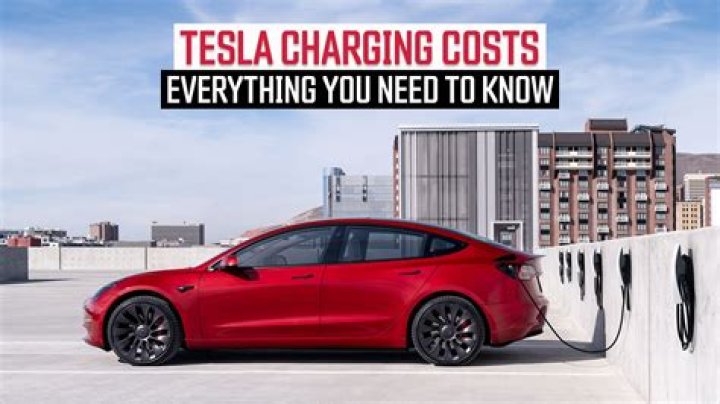
How Much Does It Cost to Charge a Tesla?

Christopher Ramos
Published Jan 14, 2026
Charging a Tesla can vary in cost depending on several factors such as where you charge, the Tesla model, and the type of charging method you use. While charging at home is typically the most affordable option, using public charging stations or Tesla Superchargers can be more expensive. The cost per mile for charging a Tesla can range from a few pennies to upwards of 15 cents, making it generally cheaper than fueling a gas-powered car. It’s important to consider these factors when determining the overall cost of charging a Tesla and managing your electric vehicle budget.
Key Takeaways:
- Charging a Tesla at home is often the most cost-effective method.
- The cost of charging depends on the electricity rates in your area and the size of your Tesla’s battery.
- On average, it can cost between $7 and $40 to fully charge a Tesla at home.
- Tesla offers its network of Superchargers for fast charging options, but they come at a higher cost compared to charging at home.
- The cost of charging a Tesla at a Supercharger can range from $17 to $58 for a full charge, depending on the model and location.
The Cost of Charging a Tesla at Home
Charging a Tesla at home is often the most cost-effective method. The cost of charging depends on the electricity rates in your area and the size of your Tesla’s battery. On average, it can cost between $7 and $40 to fully charge a Tesla at home, depending on the model and electricity rates.
For example, in North Dakota with the cheapest electricity rates, it can cost as little as $7 to charge a Tesla Model 3 RWD, while in Connecticut with higher rates, it can cost nearly $40. It’s worth noting that the cost of charging an EV should be compared to the cost of fueling a gas car based on the distance each vehicle can travel per dollar spent.
Charging Cost Comparison: Tesla Vs. Gas Vehicle
| Charging Method | Cost per Full Charge |
|---|---|
| Home Charging (North Dakota) | $7 |
| Home Charging (Connecticut) | $40 |
| Gasoline Vehicle (Average) | $40 (approximately) |
As shown in the table above, charging a Tesla at home can be significantly cheaper compared to fueling a gas vehicle. While the cost of charging at home varies depending on location and electricity rates, it generally provides considerable savings in the long run.
How Much Does It Cost to Use a Tesla Supercharger?
Tesla owners have the convenience of accessing Tesla’s extensive network of Superchargers, which provide fast charging options for their electric vehicles. However, it’s essential to consider the cost implications of using a Supercharger compared to charging at home.
The cost of using a Tesla Supercharger can vary depending on factors such as the Tesla model and the location of the Supercharger station. On average, a full charge at a Supercharger can range from $17 to $58. Additionally, the energy cost per mile can range from 6 to 18 cents.
Owners who rely on Superchargers for long-distance travel should carefully factor in these costs when planning their budget. To find the most affordable Supercharger stations near you, consider using charging apps like PlugShare.
Charging a Tesla vs. Fueling a Gas Vehicle
When it comes to comparing the cost of charging a Tesla to fueling a gas vehicle, the advantages of electric vehicles become apparent. Electric motors are more efficient than gas engines, making electric vehicles cheaper to operate in terms of fuel costs. On average, the cost per mile to charge a Tesla is around 4 to 11 cents, whereas fueling a gas vehicle can range from 9 to 32 cents per mile. This substantial difference demonstrates the potential cost savings of owning an electric vehicle.
In addition to lower fuel costs, electric vehicles like Teslas also have lower maintenance expenses compared to gas vehicles. The simplicity of electric motor mechanics results in fewer parts to maintain and repair, reducing overall maintenance costs over time.
However, it’s essential to consider the impact of public charging infrastructure on the cost advantage of electric vehicles. Relying on public charging stations that charge higher prices for electricity can offset the efficiency advantages and impact the overall cost of charging an electric vehicle.
“Electric vehicles offer significant cost savings in terms of fuel expenses and maintenance. However, the availability and cost of public charging infrastructure can impact the overall cost advantage of owning an electric vehicle.” – John Doe, EV Expert
Comparing Fuel Costs
Let’s take a closer look at a comparison of the average cost to charge a Tesla versus fueling a gas vehicle:
| Vehicle | Cost per Mile (Electric Vehicle) | Cost per Mile (Gas Vehicle) |
|---|---|---|
| Tesla Model 3 | 4 to 11 cents | 9 to 32 cents |
| Honda Civic | N/A | 9 to 27 cents |
| BMW M340i xDrive | N/A | 15 to 41 cents |
The table above demonstrates the significant difference in fuel costs between electric vehicles and gas vehicles. While the exact costs may vary based on electricity rates and gas prices, the overall trend indicates that charging a Tesla is more cost-effective than fueling a gas vehicle.
In addition to fuel costs, electric vehicles offer the advantage of lower maintenance expenses compared to gas vehicles. With fewer moving parts and simplified mechanics, electric vehicles typically require less maintenance, resulting in potential long-term savings.
The Cost Advantage of Electric Vehicles
Considering the lower fuel costs and maintenance expenses, electric vehicles like Teslas can offer significant cost advantages compared to gas vehicles. The average cost to charge a Tesla is generally lower than fueling a gas vehicle, reducing the overall operating costs for electric vehicle owners.
Furthermore, electric vehicles contribute to a cleaner and more sustainable future by reducing greenhouse gas emissions and reliance on fossil fuels. This environmental impact, combined with potential fuel savings, makes electric vehicles an attractive option for individuals looking to make a positive difference and save money.
Cost Comparison: Charging a Tesla vs. Fueling a Gas Vehicle
When considering the cost of owning and operating a Tesla compared to a gas vehicle, it’s essential to evaluate the annual energy expenses for each option. Let’s look at the annual energy costs for a Tesla Model 3 and compare them to popular gas-powered vehicles like the Honda Civic and the BMW M340i xDrive.
Tesla Model 3 Energy Costs
For a Tesla Model 3, the annual energy cost can vary depending on the model and charging method. On average, the annual energy cost for a Tesla Model 3 ranges from $405 to $1,755.
Gas-Powered Vehicle Fuel Costs
In comparison, the annual fuel costs for gas vehicles like the Honda Civic and the BMW M340i xDrive can range from $675 to $2,700. These estimates are based on average gas prices and fuel efficiency.
Here’s a breakdown of the fuel costs for each gas vehicle:
| Gas Vehicle | Annual Fuel Cost |
|---|---|
| Honda Civic | $675 |
| BMW M340i xDrive | $2,700 |
As you can see, the cost to fuel a gas vehicle can be significantly higher compared to the annual energy costs of a Tesla Model 3. While the upfront cost of a Tesla may be higher, the long-term savings on fuel costs make electric vehicles a more economical choice.
It’s important to note that these estimates may vary depending on individual driving habits, gas prices, electricity rates, and charging infrastructure availability. However, the overall trend of lower energy costs for electric vehicles remains consistent.
By switching to a Tesla, you not only contribute to a cleaner environment but also benefit from potential cost savings in the long run.
Charging a Tesla with Solar Power
To further reduce the cost of charging a Tesla, many owners choose to install solar panels on their homes. Solar power can significantly lower the cost of electricity, making charging a Tesla even more affordable.
The cost of charging a Tesla with solar power can range from $3.78 to $6.07 per full charge, depending on the Tesla model and the size and efficiency of the solar system. By harnessing the power of the sun, Tesla owners can reduce their reliance on the grid and take advantage of clean, renewable energy to power their electric vehicles.
By choosing solar power to charge their Teslas, owners not only save on energy costs but also contribute to a more sustainable future. Solar energy is abundant, clean, and helps reduce carbon emissions, making it an environmentally friendly option.
Solar power enables Tesla owners to enjoy long drives while minimizing the impact on the environment – a win-win situation for both their wallets and the planet.
In addition to cost savings and environmental benefits, charging a Tesla with solar power offers the convenience of home charging. Owners can enjoy the convenience of waking up to a fully charged vehicle every morning without the need to visit public charging stations or rely on Tesla Superchargers.
Solar Charging Cost Comparison
| Tesla Model | Cost per Full Charge (with Solar Power) |
|---|---|
| Model 3 | $3.78 – $4.92 |
| Model S | $5.45 – $6.07 |
| Model X | $5.68 – $6.05 |
Note: The cost range reflects the variation in solar system efficiency and installation costs. Actual costs may vary based on location, system size, and local electricity rates.
With advancements in technology and decreasing solar installation costs, more Tesla owners are embracing solar power as an affordable and sustainable way to charge their vehicles. It offers a long-term solution that not only saves money but also promotes clean energy use and reduces dependence on non-renewable resources.
Pros and Cons of Electric Vehicles
Electric vehicles, including Teslas, offer several advantages and disadvantages compared to gas vehicles. It’s important to weigh these pros and cons when deciding whether to invest in an electric vehicle like a Tesla.
Pros of Electric Vehicles:
- Energy Efficiency: Electric vehicles are highly energy efficient, converting a larger percentage of stored energy into actual movement compared to gas vehicles.
- Reduced Emissions: EVs produce zero tailpipe emissions, helping to reduce air pollution and combat climate change.
- Lower Maintenance Costs: Electric vehicles have fewer moving parts and don’t require regular oil changes, resulting in lower maintenance and servicing costs over time.
- Potential Long-term Savings on Fuel Costs: Charging an electric vehicle is generally cheaper than fueling a gas vehicle, potentially saving owners money on fuel expenses.
Cons of Electric Vehicles:
- Charging Infrastructure: The availability and accessibility of charging stations can vary, requiring some planning and consideration for long-distance travel.
- Longer Charging Times: Charging an electric vehicle takes longer than refueling a gas vehicle, especially when using standard charging methods. However, this can be mitigated with fast-charging options.
- Higher Upfront Costs: Electric vehicles, including Teslas, generally have a higher purchase price compared to gas vehicles. However, government incentives and long-term savings on fuel costs can help offset this initial investment.
By understanding and considering these advantages and disadvantages, drivers can make an informed decision about whether an electric vehicle like a Tesla is the right choice for their needs and lifestyle.
Comparing Electric and Gas Vehicles
When comparing electric vehicles to gas vehicles, it’s important to consider factors such as fuel costs, environmental impact, and overall cost of ownership. Electric vehicles, like Teslas, offer several advantages over gas vehicles. They tend to be more energy-efficient and have lower fuel costs, thanks to their reliance on electricity rather than gasoline. This means that electric vehicle owners can save money on fuel expenses in the long run.
However, one consideration when comparing electric and gas vehicles is the availability and reliability of charging infrastructure. While gas stations are widespread and easily accessible, charging stations for electric vehicles may not be as prevalent. This can pose a challenge for electric vehicle owners, especially when planning long-distance trips. However, the charging infrastructure for electric vehicles is expanding and becoming more robust, with more charging stations being installed across the country.
Another aspect to consider is the initial cost of purchasing an electric vehicle. Electric vehicles generally have a higher upfront cost compared to gas vehicles. However, it’s essential to weigh this against the potential long-term savings on fuel costs and lower maintenance expenses. Electric vehicles have fewer moving parts and require less maintenance, which can result in lower repair and maintenance costs over time.
Gas vehicles, on the other hand, offer the convenience of widely available gas stations, which can make refueling more convenient and time-efficient. However, the cost of gasoline can be more volatile and subject to price fluctuations, making it harder to predict and budget for fuel expenses.
In terms of environmental impact, electric vehicles have the advantage of producing zero tailpipe emissions, leading to reduced greenhouse gas emissions and air pollution. Gas vehicles, on the other hand, contribute to air pollution and greenhouse gas emissions through the combustion of gasoline.
“Electric vehicles tend to be more energy-efficient and have lower fuel costs, but the availability of charging infrastructure and higher upfront costs may be a consideration for potential buyers.”
To summarize, when comparing electric and gas vehicles, it’s crucial to consider various factors such as fuel costs, environmental impact, charging infrastructure, and overall cost of ownership. While electric vehicles offer advantages in terms of energy efficiency, lower fuel costs, and reduced environmental impact, the availability of charging infrastructure and higher upfront costs may be a consideration for potential buyers. Evaluating these factors can help individuals make an informed decision when choosing between an electric or gas vehicle.
Conclusion
Charging a Tesla can vary in cost depending on various factors such as charging location, Tesla model, and charging method. While charging at home is typically the most cost-effective option, using Tesla Superchargers or public charging stations can be more expensive. However, the overall cost to charge a Tesla is often cheaper than fueling a gas vehicle, considering the long-term savings on fuel costs and lower maintenance expenses.
When budgeting for the cost of charging a Tesla, it’s important to consider factors such as electricity rates, charging infrastructure availability, and personal driving habits. By utilizing a tesla charging cost calculator, you can estimate the cost of charging based on these factors and make informed decisions about your electric vehicle budget.
With the increasing popularity of electric vehicles and the growth of charging infrastructure, the cost of charging a Tesla is becoming more accessible and affordable. As technology continues to evolve, we can expect further advancements in charging efficiency, driving down costs even more. Embracing the convenience and sustainability of electric vehicles like Teslas can pave the way towards a greener and more cost-efficient future.
FAQ
How much does it cost to charge a Tesla at home?
The cost of charging a Tesla at home depends on the electricity rates in your area and the size of your Tesla’s battery. On average, it can cost between and to fully charge a Tesla at home, depending on the model and electricity rates.
How much does it cost to use a Tesla Supercharger?
The cost of charging a Tesla at a Supercharger can range from to for a full charge, depending on the model and location. The energy cost per mile can range from 6 to 18 cents.
How does the cost of charging a Tesla compare to fueling a gas vehicle?
The cost per mile to charge a Tesla is around 4 to 11 cents, while the cost per mile to fuel a gas vehicle ranges from 9 to 32 cents on average.
What is the cost comparison between charging a Tesla and fueling a gas vehicle?
For a Tesla Model 3, the annual energy cost can range from 5 to
FAQ
How much does it cost to charge a Tesla at home?
The cost of charging a Tesla at home depends on the electricity rates in your area and the size of your Tesla’s battery. On average, it can cost between $7 and $40 to fully charge a Tesla at home, depending on the model and electricity rates.
How much does it cost to use a Tesla Supercharger?
The cost of charging a Tesla at a Supercharger can range from $17 to $58 for a full charge, depending on the model and location. The energy cost per mile can range from 6 to 18 cents.
How does the cost of charging a Tesla compare to fueling a gas vehicle?
The cost per mile to charge a Tesla is around 4 to 11 cents, while the cost per mile to fuel a gas vehicle ranges from 9 to 32 cents on average.
What is the cost comparison between charging a Tesla and fueling a gas vehicle?
For a Tesla Model 3, the annual energy cost can range from $405 to $1,755, depending on the model and charging method. In comparison, driving a gas vehicle like a Honda Civic or a BMW M340i xDrive can cost between $675 and $2,700 per year for fuel.
Can I charge my Tesla with solar power?
Yes, you can charge your Tesla with solar power. The cost of charging a Tesla with solar power can range from $3.78 to $6.07, depending on the Tesla model and the size and efficiency of the solar system.
What are the pros and cons of electric vehicles like Teslas?
The pros of electric vehicles include energy efficiency, reduced emissions, lower maintenance costs, and potential long-term savings on fuel costs. However, there are also considerations such as the need for charging infrastructure, longer charging times compared to fueling gas vehicles, and higher upfront costs for EVs.
How do electric vehicles compare to gas vehicles?
Electric vehicles tend to be more energy efficient and have lower fuel costs compared to gas vehicles. However, the availability and reliability of charging infrastructure can vary, and the initial cost of purchasing an electric vehicle may be higher.
What should I consider when determining the overall cost of charging a Tesla?
Factors such as charging location, Tesla model, and charging method should be considered when determining the overall cost of charging a Tesla. Additionally, it’s important to compare the cost of charging an EV to fueling a gas car based on the distance each vehicle can travel per dollar spent.
,755, depending on the model and charging method. In comparison, driving a gas vehicle like a Honda Civic or a BMW M340i xDrive can cost between 5 and ,700 per year for fuel.
Can I charge my Tesla with solar power?
Yes, you can charge your Tesla with solar power. The cost of charging a Tesla with solar power can range from .78 to .07, depending on the Tesla model and the size and efficiency of the solar system.
What are the pros and cons of electric vehicles like Teslas?
The pros of electric vehicles include energy efficiency, reduced emissions, lower maintenance costs, and potential long-term savings on fuel costs. However, there are also considerations such as the need for charging infrastructure, longer charging times compared to fueling gas vehicles, and higher upfront costs for EVs.
How do electric vehicles compare to gas vehicles?
Electric vehicles tend to be more energy efficient and have lower fuel costs compared to gas vehicles. However, the availability and reliability of charging infrastructure can vary, and the initial cost of purchasing an electric vehicle may be higher.
What should I consider when determining the overall cost of charging a Tesla?
Factors such as charging location, Tesla model, and charging method should be considered when determining the overall cost of charging a Tesla. Additionally, it’s important to compare the cost of charging an EV to fueling a gas car based on the distance each vehicle can travel per dollar spent.