Affiliate Marketing Meaning Explained Simply

Ava Arnold
Published Jan 14, 2026
Welcome to our comprehensive guide on affiliate marketing! If you’ve ever wondered about the definition of affiliate marketing or what it actually entails, you’ve come to the right place. In this article, we will break down this popular online marketing strategy and explain how it works, the different types of affiliate marketing, how affiliate marketers get paid, the advantages and disadvantages of affiliate marketing, and even provide some real-life examples. Whether you’re a brand looking to expand your reach or an individual interested in earning extra income, affiliate marketing offers a world of opportunities.
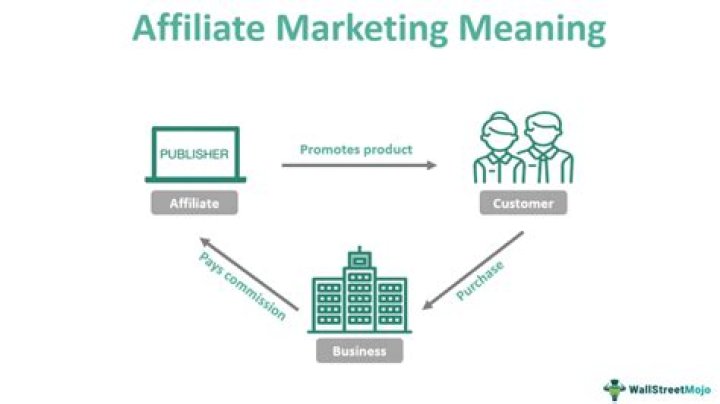
But first, let’s dive into the meaning of affiliate marketing and get a better understanding of what it entails. Simply put, affiliate marketing is a process where individuals or companies (affiliates) earn a commission for promoting and selling another person’s or company’s products. This can be done through various methods such as blog posts, social media promotion, email marketing, and more. The affiliate receives a percentage of the profit from each sale made through their unique affiliate link. It’s a win-win situation for both the affiliate and the seller, as it allows the seller to reach a wider audience while the affiliate earns a commission for their efforts.
Key Takeaways
- Affiliate marketing is a process where affiliates promote and sell products on behalf of others, earning a commission for each sale made through their efforts.
- Affiliate marketing offers a great opportunity for individuals and brands to earn money and reach a wider audience.
- Affiliate marketing relies on three parties: the seller, the affiliate, and the consumer.
- There are different types of affiliate marketing, including unattached, related, and involved.
- Affiliate marketers get paid through various methods such as pay-per-sale, pay-per-lead, pay-per-click, and pay-per-install.
How Does Affiliate Marketing Work?
Affiliate marketing operates through a collaborative process involving three key roles: the seller and product creators, the affiliate or advertiser, and the consumer. Let’s take a closer look at how this process unfolds.
The seller, commonly known as the merchant or retailer, is the entity that possesses a product or service to be marketed. They rely on affiliates to promote their offerings to potential consumers, driving sales and revenue.
The affiliate, also referred to as the advertiser, is an individual or company that takes on the task of promoting the seller’s products or services. They leverage various marketing strategies to attract potential buyers, such as creating compelling content, utilizing social media platforms, and engaging in email marketing campaigns. Affiliates essentially act as a bridge between the seller and the consumer.
The consumer plays a vital role in the affiliate marketing process. They are the ones who ultimately make the purchase and complete the transaction. The affiliate’s main objective is to convince these consumers to buy the seller’s products or services by providing valuable information, showcasing benefits, or offering exclusive deals.
Now, you may be wondering, how do affiliates actually earn money? Well, affiliates receive a portion of the revenue generated from each successful sale resulting from their marketing efforts. This is usually in the form of a commission, which can vary depending on the affiliate program and the product being promoted.
Affiliate marketing operates on various payment models, including:
- Pay-per-sale (PPS): Affiliates earn a predetermined percentage or fixed amount for each sale made through their referral.
- Pay-per-lead (PPL): Affiliates are compensated for each lead or potential customer they direct to the seller. This could involve actions such as signing up for a newsletter or filling out a contact form.
- Pay-per-click (PPC): Affiliates receive payment for each click they generate on their affiliate links, regardless of whether a sale is made.
- Pay-per-install (PPI): Affiliates earn a commission when users install a specific application or software referred by them.
Types of Affiliate Marketing
Affiliate marketing can be categorized into three types – unattached, related, and involved. Each type has its own characteristics and approach to promoting products and generating sales.
1. Unattached Affiliate Marketing
In unattached affiliate marketing, affiliates have no connection or expertise in the niche of the product being promoted. They rely on pay-per-click (PPC) marketing campaigns to drive traffic and generate sales. The main focus is on reaching a wide audience through targeted ads and campaigns.
2. Related Affiliate Marketing
Related affiliate marketing involves promoting products or services that are related to the affiliate’s niche audience. Affiliates in this category have influence in their niche and can offer some level of authority. They create content and recommendations that resonate with their audience, leading to higher conversions and sales.
3. Involved Affiliate Marketing
Involved affiliate marketing is when the affiliate has personally used the product or service and can make claims based on their own experiences. Affiliates in this category build credibility and trust by sharing their insights and recommendations. Their personal endorsement serves as a strong persuasion tool, making them a trusted source of information.
Choosing the right type of affiliate marketing depends on your expertise, niche, and target audience. Each type offers its own advantages and requires different strategies to succeed. By understanding these types, you can align your approach with your strengths and goals to maximize your affiliate marketing success.
How Do Affiliate Marketers Get Paid?
Affiliate marketers have various payment methods available to them, ensuring they are rewarded for their marketing efforts. Let’s take a closer look at the different payment models in affiliate marketing:
1. Pay-Per-Sale
In the pay-per-sale model, affiliates earn a commission based on a percentage of the sale price for each product sold through their marketing efforts. This means that the more sales an affiliate generates, the more they get paid. It provides a direct link between the affiliate’s efforts and their earnings, making it a popular and straightforward payment method.
2. Pay-Per-Lead
In pay-per-lead programs, affiliates are compensated based on the conversion of leads. This can include actions such as filling out a contact form, signing up for a trial, or subscribing to a newsletter. Affiliates receive payment for successfully converting potential customers into leads, regardless of whether a sale occurs. It offers flexibility and rewards affiliates for successfully engaging and capturing the interest of potential customers.
3. Pay-Per-Click
Pay-per-click programs incentivize affiliates to drive increased web traffic to the merchant’s website. Affiliates earn money based on the number of clicks generated on their affiliate links, redirecting consumers from their platform to the merchant’s website. This payment model focuses on increasing visibility and attracting potential customers to the merchant’s site and is suitable for affiliates with high traffic volume.
4. Pay-Per-Install
Pay-per-install programs reward affiliates for directing users to the merchant’s website and getting them to install a product, such as software or an app. Affiliates earn a commission for successful installations, encouraging them to promote the merchant’s products to their audience. This payment model is common in the software and mobile app industries.
Each payment model offers different opportunities and advantages for affiliate marketers. Some affiliates may choose to focus on one specific payment model, while others may diversify their strategies to maximize their earnings.
Now that we understand how affiliate marketers get paid, let’s explore the advantages of affiliate marketing in the next section.
| Payment Model | Explanation |
|---|---|
| Pay-Per-Sale | Affiliates receive a percentage of the sale price for each product sold through their efforts. |
| Pay-Per-Lead | Affiliates earn a commission for converting potential customers into leads. |
| Pay-Per-Click | Affiliates get paid based on the number of clicks generated on their affiliate links. |
| Pay-Per-Install | Affiliates earn a commission for successfully getting users to install a product. |
Advantages of Affiliate Marketing
Affiliate marketing offers numerous benefits for brands and affiliate marketers alike. Let’s dive into the advantages:
1. Access to a Wider Market and New Audiences
Affiliate marketing enables brands to tap into a wider market by leveraging the reach and influence of affiliate partners. By collaborating with relevant creators and influencers, brands can connect with new audiences who may not have been exposed to their products or services otherwise. This expands the brand’s customer base and increases its chances of reaching potential customers who are genuinely interested in what they have to offer.
2. Cost-Effective Advertising
One of the key advantages of affiliate marketing is its cost-effective nature. Brands only pay for actual sales or desired actions, such as leads or clicks, rather than investing in traditional advertising methods that may or may not yield the desired results. This pay-for-performance model ensures that brands get value for their money, as they only incur expenses when a sale or desired action occurs. It allows brands to allocate their marketing budget more efficiently and focus on strategies that generate the highest return on investment.
3. Low-Risk and Low-Cost Business Opportunity for Affiliate Marketers
Affiliate marketing presents a low-risk and low-cost business opportunity for individuals looking to generate extra income. Affiliate marketers don’t need to create their own products or invest heavily in inventory, production, or customer support. Instead, they can focus on promoting existing products or services that align with their niche audience. This significantly reduces the financial risks associated with starting a business from scratch. Moreover, affiliate marketers can join affiliate programs for free or at a minimal cost, making it an accessible option for those with limited resources.
4. Potential for Scalability
Affiliate marketing offers the potential for scalability, allowing affiliate marketers to expand their revenue streams and grow their business over time. As affiliate marketers gain experience, build their audience, and develop relationships with trusted brands, they can increase their earning potential. They can explore new niches, diversify their promotional strategies, and establish themselves as authoritative voices within their chosen industry. With the right strategies and consistent effort, affiliate marketers have the opportunity to achieve substantial growth and long-term success.
5. Ability to Build a Trusted Reputation in a Specific Niche
Affiliate marketing allows individuals to build a trusted reputation within a specific niche. By consistently promoting high-quality products or services that align with their audience’s interests and needs, affiliate marketers can establish themselves as reliable sources of information and recommendations. This trust and credibility contribute to higher conversion rates and foster long-term relationships with their audience. Building a strong reputation as an affiliate marketer opens doors to new opportunities, such as partnerships with influential brands and collaborations with other industry experts.
Overall, the advantages of affiliate marketing make it an attractive option for both brands and affiliate marketers. It provides brands with access to wider markets and new audiences, while offering affiliate marketers a low-risk business opportunity with the potential for scalability and reputation-building within their niche.
Disadvantages of Affiliate Marketing
Affiliate marketing, while an effective strategy, does come with its fair share of disadvantages and challenges. It is crucial to be aware of these potential drawbacks before diving into the world of affiliate marketing.
- Building an Audience Takes Time: One of the main challenges of affiliate marketing is the time and effort required to build a loyal audience. Without a substantial following or influence, it can be difficult to promote products effectively and generate significant conversions.
- Income Inconsistency: As an affiliate marketer, your income is dependent on the success of your marketing efforts and the sales generated through your affiliate links. This commission-based payment structure means that your earnings can vary from month to month, and there is no guaranteed income.
- Fraudulent Practices: Unfortunately, affiliate marketing is susceptible to fraudulent activities. Some affiliates may engage in unethical practices such as generating fake leads or clicks to boost their commissions. This not only compromises the reputation of the affiliate, but it can also lead to potential legal issues.
- Limited Control: As an affiliate marketer, you have limited control over the affiliate program itself. You must follow the rules and guidelines set by the company you are promoting and adhere to their terms and conditions. This lack of control can sometimes restrict your promotional strategies and creative freedom.
Despite these disadvantages, many successful affiliate marketers have overcome these challenges through dedication, perseverance, and strategic planning. By understanding the potential pitfalls and developing effective strategies, you can navigate the world of affiliate marketing and leverage its benefits to achieve your goals.
A Comparison of Affiliate Marketing Disadvantages
| Disadvantages | Explanation |
|---|---|
| Building an Audience Takes Time | Affiliate marketers need to invest time and effort to grow their online audience and establish trust. |
| Income Inconsistency | Earnings can fluctuate significantly, especially if relying solely on commissions. |
| Fraudulent Practices | Unethical affiliates may engage in fraudulent activities, compromising the reputation of the marketer and the program. |
| Limited Control | Affiliate marketers must adhere to the rules and guidelines set by the companies they promote, limiting promotional strategies. |
Examples of Affiliate Marketing
Affiliate marketing is a widely used strategy that allows individuals and companies to earn commissions by promoting products or services. Here are some popular examples of affiliate marketing programs:
1. Amazon Associates
Amazon Associates is one of the largest and most well-known affiliate marketing programs. Affiliates can promote a wide range of products available on Amazon and earn commissions on each sale generated through their referral links. Amazon offers a user-friendly platform with various tools and resources to help affiliates maximize their earnings.
2. Etsy Affiliate Program
Etsy, the online marketplace for unique and handmade items, also has an affiliate marketing program. Affiliates can join the Etsy Affiliate Program and earn commissions by promoting products listed by Etsy sellers. With a wide variety of niche products available on Etsy, affiliates can tailor their promotions to specific audiences and earn a share of the revenue from each sale they drive.
3. eBay Partner Network
eBay’s Partner Network is another popular affiliate marketing program. Affiliates can earn commissions by promoting their own eBay listings or products listed by other sellers on eBay. With its extensive range of products and global reach, eBay provides affiliates with numerous opportunities to earn commissions through their promotional efforts.
These examples highlight the diversity and potential of affiliate marketing. Whether it’s promoting products from e-commerce giants like Amazon, unique handmade items from Etsy, or a variety of products on eBay, affiliate marketing offers a flexible and profitable way to monetize online platforms and generate income.
Starting an Affiliate Marketing Business
If you’re interested in starting an affiliate marketing business, it’s important to first understand the industry and choose a niche market to focus on. By selecting the right affiliate programs and products to promote, you can increase your chances of success and profitability.
One of the first steps in starting your affiliate marketing business is to build a website or create a platform where you can promote the products you’ll be affiliated with. This will serve as the foundation for your marketing efforts and will be the main channel through which you attract and engage potential customers.
Once you have your website or platform set up, it’s time to implement effective marketing strategies to generate traffic and increase conversions. Content creation plays a crucial role in attracting and educating your audience, so consider providing valuable and informative content related to your niche. Utilize search engine optimization (SEO) techniques to improve your website’s visibility in search results and drive organic traffic.
Social media marketing is another powerful tool for affiliate marketers. Leverage platforms such as Facebook, Instagram, and Twitter to engage with your target audience and share valuable content that promotes your affiliate products. Building an email list and implementing email marketing campaigns can also help keep your audience engaged and increase conversions.
To ensure the success and profitability of your affiliate marketing business, it’s important to continuously evaluate and optimize your strategies. Monitor your website’s analytics to identify areas for improvement and make data-driven decisions. Stay up to date with industry trends and adjust your marketing efforts accordingly to maximize results.
In conclusion, starting an affiliate marketing business requires a solid understanding of the industry, careful selection of affiliate programs and products, and effective marketing strategies. By building a strong online presence, providing valuable content, and continuously optimizing your efforts, you can become a successful affiliate marketer and generate income through partnerships and referrals.
Starting an affiliate marketing business involves understanding the industry and choosing a niche market to focus on. This includes selecting the right affiliate programs and products to promote. Building a website or creating a platform to promote the products is essential. Effective marketing strategies such as content creation, SEO, social media marketing, and email marketing can help generate traffic and increase conversions. It is important to continuously evaluate and optimize the affiliate marketing business to maximize results and earnings.
Conclusion
Affiliate marketing is a powerful marketing strategy that enables individuals and brands to generate additional income through partnerships and referrals. By leveraging the reach and influence of affiliate marketers, businesses can tap into new markets and target audiences with targeted promotions.
One of the key advantages of affiliate marketing is its cost-effectiveness. Brands only pay for actual sales or desired actions, making it a low-risk advertising method. Furthermore, affiliate marketing offers the potential for scalability, allowing affiliate marketers to grow their business and increase their earnings over time.
However, it is important to note that affiliate marketing also comes with its challenges. Success in this field requires patience, dedication, and continuous effort. Affiliate marketers must invest time in building their audience, establishing credibility, and selecting the right affiliate programs and products to promote. They must also stay up-to-date with industry trends and best practices to ensure their marketing efforts remain effective.
In conclusion, affiliate marketing presents a unique opportunity for individuals and brands to expand their reach, generate additional revenue, and build meaningful partnerships. By understanding the process, payment models, and best practices, aspiring affiliate marketers can embark on a rewarding journey towards financial success and professional growth.
FAQ
What is affiliate marketing?
Affiliate marketing is the process by which an affiliate earns a commission for marketing another person’s or company’s products.
How does affiliate marketing work?
Affiliate marketing works by involving three different parties – the seller and product creators, the affiliate or advertiser, and the consumer. The affiliate promotes the seller’s products to potential consumers and earns a portion of the revenue from each sale.
What are the types of affiliate marketing?
There are three types of affiliate marketing – unattached, related, and involved. Unattached affiliate marketing involves promoting products with no connection to the affiliate’s niche. Related affiliate marketing involves promoting products or services related to the affiliate’s niche audience. Involved affiliate marketing is when the affiliate has personally used the product or service.
How do affiliate marketers get paid?
Affiliate marketers can get paid through various methods such as pay-per-sale, pay-per-lead, pay-per-click, and pay-per-install. The payment method depends on the specific affiliate program.
What are the advantages of affiliate marketing?
Affiliate marketing offers advantages for both brands and affiliate marketers. For brands, it provides access to a wider market and new audiences through trusted referrals. For affiliate marketers, it is a low-risk and low-cost business opportunity that allows them to generate extra income.
What are the disadvantages of affiliate marketing?
Some disadvantages of affiliate marketing include the time it takes to build an audience and income variability. Additionally, affiliates have limited control over the program and must adhere to the rules and guidelines set by the company they are promoting.
Can you provide examples of affiliate marketing programs?
Yes, some popular examples of affiliate marketing programs include Amazon Associates, Etsy’s affiliate marketing program, and eBay’s Partner Network.
How can I start an affiliate marketing business?
Starting an affiliate marketing business involves understanding the industry, choosing a niche market, selecting the right affiliate programs, and promoting the products. It also requires effective marketing strategies such as content creation, SEO, social media marketing, and email marketing.
Is affiliate marketing a lucrative business?
Affiliate marketing can be a lucrative business opportunity, but it requires patience, time, and continuous effort to succeed. Success depends on factors such as niche selection, marketing strategies, and the ability to build trust with an audience.